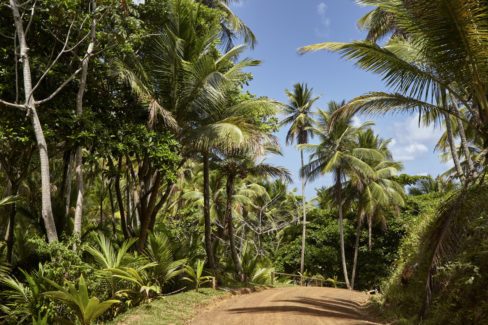
Nothing says “tropical paradise” quite like a white sandy beach lined with swaying coconut palms. But these iconic trees aren’t just reserved for Caribbean postcards; you’ll find them thriving all across the warmest tropical regions of the globe.
Native to the Tropics
The coconut palm feels most at home in the “tropical belt”—specifically between 15 degrees north and south of the equator. In these areas, they grow wild and are also grown on a massive scale in plantations.
While we usually picture them right on the shoreline, coconut trees are actually pretty adaptable. As long as the soil is right and they get plenty of water, they grow perfectly well further inland. In fact, inland plantations are popping up more and more to keep up with the world’s growing appetite for coconut products.
One of the coolest things about this tree is that nothing goes to waste. Beyond the tasty fruit, the entire tree is useful. For us gardeners, coconut fiber (coir) is a fantastic natural material used for everything from pot liners to soil amendments.
Ocean Travelers
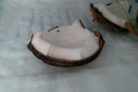
Ever wonder why they’re so common on the coast? It’s all about how they travel. Coconuts are world-class explorers, using ocean currents to spread their seeds. A coconut can fall into the water and float for thousands of miles across the sea.
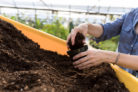
Once it washes up on a beach, it only takes about eight weeks to start sprouting, provided the conditions are right. They aren’t particularly picky eaters, either—a little bit of potting soil or earth is usually all they need to get growing.
Keep it Toasty, Even in Winter
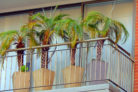
If there’s one thing you need to know about the coconut palm, it’s that it loves the heat. This makes it a great candidate for a houseplant, especially since it doesn’t want a “winter break” from the warmth. Most of us have that one sunny room in the house where temperatures stay consistently above 75°F (25°C). That’s exactly where your palm should spend the winter months to stay happy and healthy.