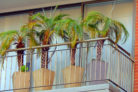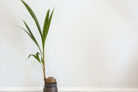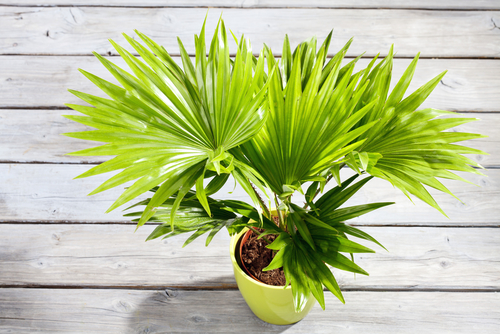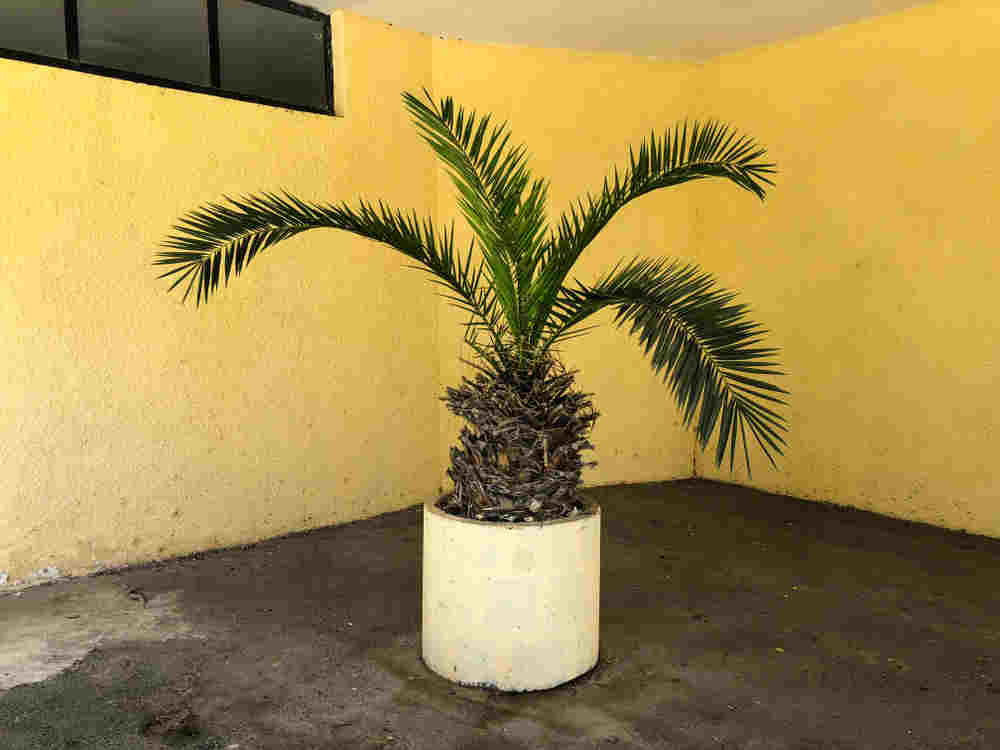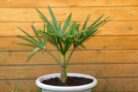
If you’re short on space but love a tropical vibe, the coconut palm is your new best friend. Unlike many other houseplants that need a “cool down” period during the winter, this beauty craves warmth year-round. It’s the perfect pick for anyone who keeps their home cozy and toasty!
The Perfect Spot
When winter rolls around, your coconut palm needs a bright spot that’s far away from chilly drafts. These palms are definitely not fans of cold air—in fact, if things get too frosty, they can actually suffer from cold damage. Aim for a bright location, but try to avoid placing it right next to a window that you open frequently for fresh air.
Temperature is Key
With coconut palms, the rule for winter is simple: the warmer, the better! They really start to thrive once the temperature hits about 77°F (25°C). Because they love the heat so much, don’t wait too long to bring yours inside. By mid-September, those nighttime temps usually start to drop too low for comfort, so that’s your cue to move it to its winter quarters.
Living rooms or playrooms are usually ideal because we tend to keep them nice and warm. If you’re lucky enough to have a heated sunroom with a steady, high temperature, your palm will be more than happy there, too.
Care and Maintenance
You’ll want to keep the soil consistently moist all year long. During the winter, indoor heating can dry out the air (and the soil) pretty quickly, so keep a close eye on it. I highly recommend using a moisture meter so you never accidentally let your palm go thirsty.
As for feeding, you can fertilize your coconut palm every two to three months. Keep this routine going even through the winter! Since coconuts are always in season, these plants don’t take a winter break. They don’t need a ton of nutrients, but they do appreciate a steady, constant supply.
Pests and Problems
If you’re taking good care of your palm, you shouldn’t run into many issues during the winter. They aren’t particularly prone to diseases, but you might occasionally deal with grubs that hitched a ride in the soil while the plant was outside during the summer.
One of the first red flags is seeing brown leaves. While brown tips can happen for a few reasons, if they show up right after you move the plant indoors, it’s often a sign of root pests.
If you suspect trouble, check the roots. If you find any uninvited guests, simply repot the palm. Just make sure to shake off as much of the old soil as possible so you don’t bring any grubs along to the new pot!