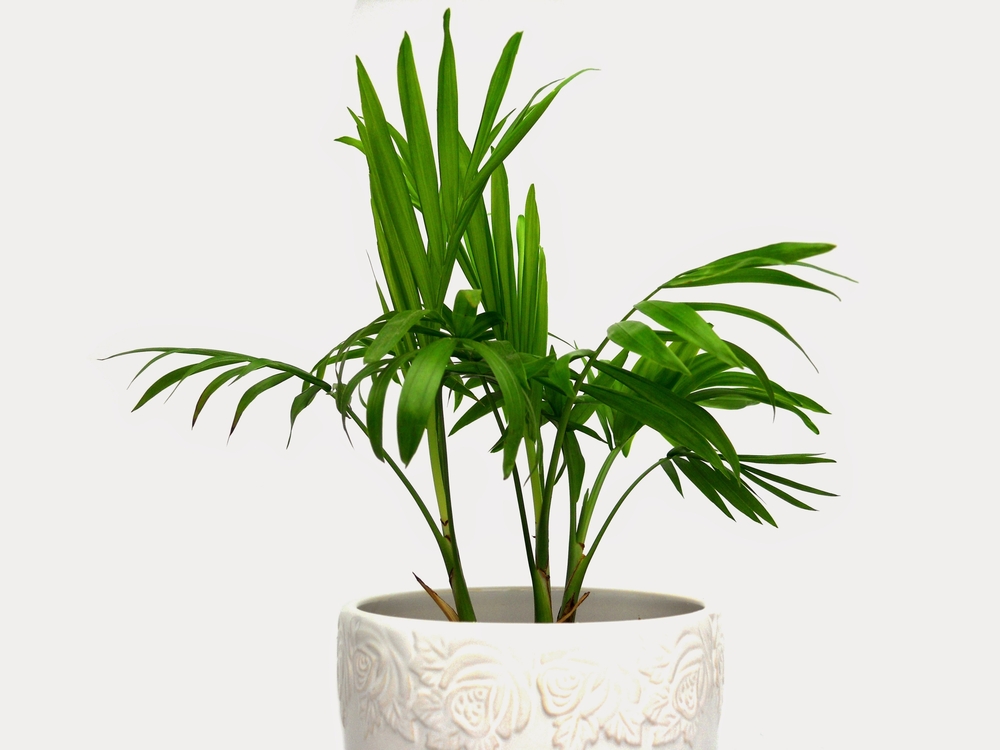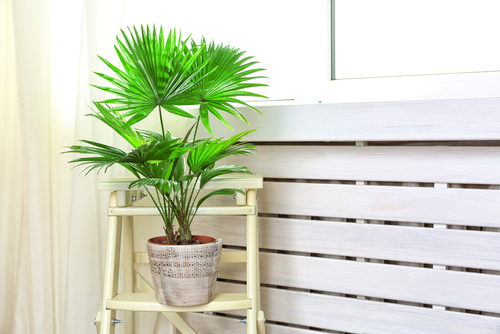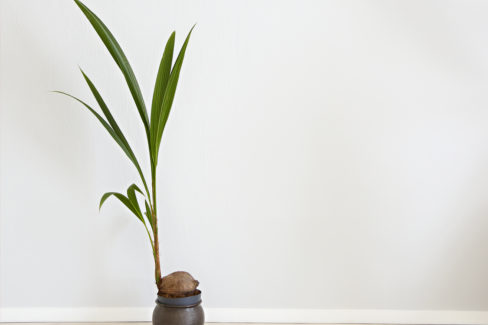
You can grow a coconut palm as a houseplant all year round, and honestly, it’s a total breeze. They’re pretty low-maintenance, making them a perfect choice if you’re busy but still want that tropical vibe in your home. There are just a few simple things to keep in mind to keep this exotic beauty happy.
Location
Coconut palms are all about warmth and light. Your best bet is a spot in a south-facing living room where it can soak up the sun. If you have a heated sunroom or conservatory that stays at least 77°F (25°C), your palm will feel right at home there, too.
If things get a little gloomy during the winter and you can’t provide enough natural light, don’t worry—you can always use a daylight lamp. For smaller plants, a standard grow light works wonders to keep them thriving.
Soil
The great thing is you usually won’t need to repot your coconut palm for at least two or three years. These plants actually prefer nutrient-poor soil that drains well. You can find pre-mixed palm soil at the store, or you can mix your own at home.
A good DIY recipe is a base of garden soil mixed with plenty of sand and a bit of expanded clay (LECA). You can also toss in a little compost to give it a tiny boost.
Watering
If there’s one “golden rule” for coconut palm care, it’s watering. They love consistently moist soil. While they’re forgiving enough to handle the occasional dry spell, you don’t want to make a habit of letting the soil dry out completely.
To take the guesswork out of it, I recommend using a moisture meter. You can even get modern, battery-operated ones that flash a little light to let you know exactly when it’s time to grab the watering can.
Fertilizing
Since these palms aren’t very “hungry” for nutrients, you don’t need to fertilize often. A little liquid houseplant fertilizer mixed into your watering can every few months is plenty. If you prefer a “set it and forget it” method, slow-release fertilizer sticks for houseplants work great too.
You might see specialty “coconut palm fertilizer” at the garden center, but these are often formulated for many different palm species, including those that need way more nutrients than yours. If you decide to use one of those, just make sure to dilute it significantly more than the label suggests.