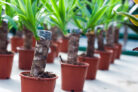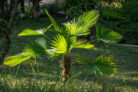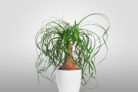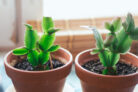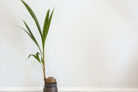
When it comes to soil, coconut palms are actually pretty chill. They aren’t very demanding, but if you’re growing one in a pot, there are a few key things to keep in mind to make sure your tropical beauty really thrives.
Go Easy on the Nutrients
A coconut palm adds that perfect tropical vibe to your patio or balcony. They’re popular not just for their looks, but because they’re surprisingly low-maintenance. The most important thing to remember about their soil is that it needs to be loose and well-draining.
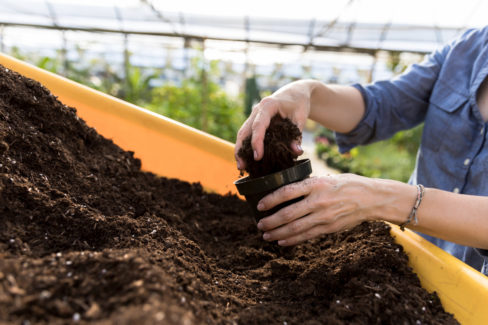
You can easily find pre-mixed palm soil at the store, but if you’re a DIY gardener, you can mix your own by combining garden soil with a healthy amount of sand. You want the sand to be the star of the show here because these palms really don’t like “rich” or heavy soil. To give it even more breathability, try mixing in some expanded clay pebbles (leca). These are great because they help with aeration while holding onto a little moisture to release slowly over time.
Don’t Overdo the Fertilizer
Since the soil itself shouldn’t be packed with nutrients, you won’t need to fertilize very often. Honestly, just adding a bit of liquid fertilizer to your watering can every few months is plenty. You can grab a specialized palm fertilizer, but any standard fertilizer for evergreen houseplants works too—just make sure to dilute it quite a bit.
Using Coconut Fibers in the Garden
It’s pretty cool that the coconut palm itself is a major source of material for other potting mixes. Coconut coir (those brown fibers) is often added to seed-starting mixes to keep them light and airy. Tons of ornamental plants and veggies love growing in neutral substrates with a high coconut fiber content.
So, if your palm drops a leaf or has some dead bits, don’t just toss them! If you’ve got a little patience, you can break them down to create your own seed-starting mix. Or, if you want to keep it simple, just toss those old leaves right onto your compost pile.