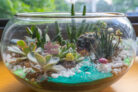
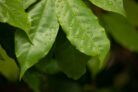
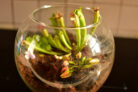
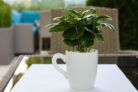
Miniature gardens in jars are such a low-maintenance alternative to traditional houseplants. But here’s the thing: not every plant is cut out for life in a closed ecosystem. Luckily, the coffee plant is a slow grower, making it the perfect candidate for this kind of setup.
An Ecosystem in a Jar
The whole idea behind a coffee plant in a jar is that the container holds everything the plant needs to thrive through a self-regenerating cycle. This means you don’t have to worry about watering or fertilizing your little coffee plant at all. It’s basically the ideal houseplant for anyone with a busy schedule or those of us who weren’t exactly born with a green thumb.
The real trick to a successful jar garden is finding that perfect balance right from the start. Once you get the water levels and nutrients in sync, you can seal the jar or bottle for good and never have to open it again.
The Right Spot
When it comes to keeping a coffee plant in a glass container, location is everything. You want a bright spot, but definitely stay away from direct sunlight. If the jar sits in the sun, it’ll heat up so fast that your coffee plant will literally cook inside.
A south-facing window is usually a great choice, but make sure the jar is sitting at least six feet away from the glass. You’ll also want to keep it away from heat sources like radiators or the warm exhaust from electronic devices.
Setting Up Your Own Jar Garden
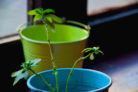
If you want to start your own coffee plant ecosystem, you can actually take a cutting from an existing plant and let it root. When you’re ready to plant, the substrate and the way you layer it are key.
Start with a drainage layer at the very bottom using something like coarse gravel. On top of that, add a layer of nutrient-rich potting soil for your coffee plant. The thickness of this layer depends on the size of your plant’s root ball, but try to choose a container large enough so the plant won’t need to be moved for several years.
Finally, add a layer of live moss over the soil. Give the soil a light misting and seal the jar. For the first few weeks, keep an eye on it—you might need to add a tiny bit of water or vent the jar for a moment if it gets too foggy—until the ecosystem finds its perfect equilibrium.