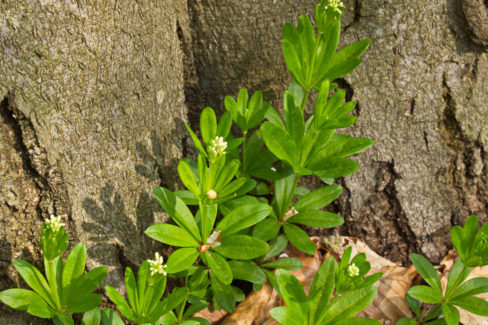
Sweet woodruff is one of those versatile little plants that you can use in a million different ways. But if you’re planning on foraging some, there are a few things you should keep in mind. Timing is everything here—if you want that classic, nostalgic aroma to really shine, you’ve got to know when to pick it.
Hunting for Sweet Woodruff
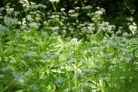
If you’re heading out to the woods to find wild sweet woodruff, you need to know where it likes to hang out. Don’t bother looking in bright, sunny clearings; this plant isn’t a fan of the spotlight. The ideal location for sweet woodruff is shady or at least semi-shady. It also prefers soil that stays moist rather than drying out. Your best bet is to look under the canopy of beech or mixed deciduous forests.
How to Identify It
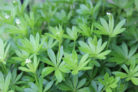
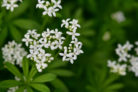
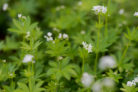
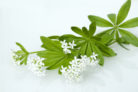
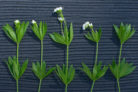
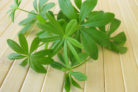
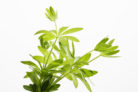
When you’re foraging in the wild, you want to be 100% sure you’ve got the right plant. Luckily, sweet woodruff has some pretty distinct features that make it easy to identify. The biggest giveaway is that unmistakable scent. Just pluck a stem and rub it between your palms—you’ll know it when you smell it! Visually, look for thin green stems with whorls of narrow, pointed leaves. During its blooming season, it’ll be covered in tiny, star-shaped white flowers.
Harvesting Your Haul
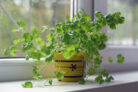
Whether you’re foraging in the forest, clipping from your backyard, or harvesting from a pot on your porch, the technique is pretty much the same.
Timing is Everything
Technically, you can harvest sweet woodruff whenever you want. However, for the best flavor, you want to catch it just before it starts blooming, which usually happens around April.
The Right Technique
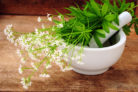
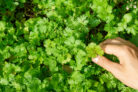
Grab a sharp knife or a pair of herb snips. Cut the green stems just above the ground. A pro tip: never strip the whole patch! Always leave enough of the plant behind so it can grow back and spread for next spring.
Putting Sweet Woodruff to Use
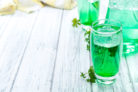
Sweet woodruff is a superstar in both the kitchen and in natural home remedies. Some of the most popular ways to use it include:
- Making a classic “May Wine” punch (Maibowle),
- Crafting homemade lemonades or herbal teas,
- Using it as a unique savory herb in soups or salads,
- Infusing its flavor into desserts like panna cotta or jelly.
If you find yourself with more than you can use right away, don’t let it go to waste! You can easily preserve it so you have a stash ready for your next kitchen project.