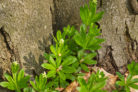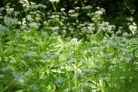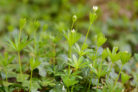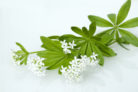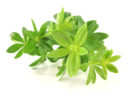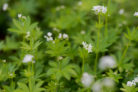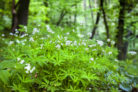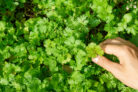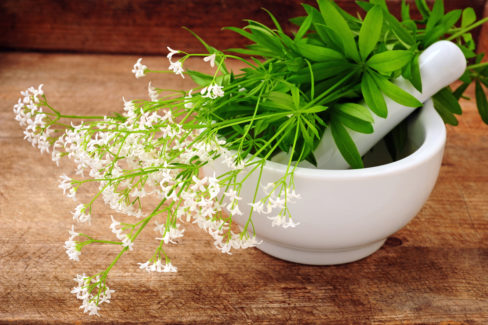
Sweet Woodruff (Waldmeister) is one of those plants that just screams springtime. With its intense, woodsy aroma and unique flavor, it’s famous for being the star of the traditional “May Wine.” But there’s more to this little green herb than just punch! From its history in folk medicine to its role as a hardy groundcover, here’s everything you need to know about growing and using Sweet Woodruff.
Sweet Woodruff: The Quick Facts
If you’re looking for the “CliffsNotes” version, here’s the breakdown:
- Botanical Name: Galium odoratum.
- Common Names: Sweet Woodruff, Master of the Woods, or Wild Baby’s Breath.
- Plant Family: It’s a member of the Rubiaceae (Madder) family.
- Planting Style: Sweet Woodruff is a “frost germinator,” meaning the seeds need a cold snap to sprout.
- When to Plant: The best time for planting is during the winter months, from October to February.
- Hardiness: It is incredibly winter-hardy and can handle the cold like a champ.
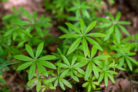
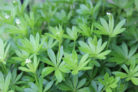
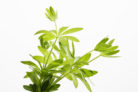
- Growth Habit: It grows upright with unbranched stems and beautiful whorls of up to eight green leaves.
- Height: Expect it to reach anywhere from 2 to 20 inches tall.
- Harvest Time: March to April is prime time.
- Blooming Period: Look for flowers between April and June.
- Seeds: The seeds ripen between June and September.
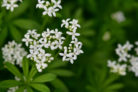
- The Flowers: Tiny, star-shaped white blossoms that grow in clusters. Each flower has four petals.
Where It Grows
Sweet Woodruff is found almost worldwide, usually in temperate or cooler climates. In the wild, it loves the shade of beech and oak forests, often growing at altitudes up to 4,500 feet.
The Perfect Spot in Your Garden
If you want happy plants, think “woodland vibes.” Sweet Woodruff loves shady to semi-shady locations. It’s the perfect plant to tuck under large trees or shrubs. Avoid direct sunlight; the leaves are delicate and can burn or wither if they get too much sun.
As for the soil, it should be loose and rich in nutrients. It particularly loves lime-rich (calcareous) soil with a slightly alkaline pH. Most importantly, keep the soil moist! Sweet Woodruff won’t do well in dry, parched spots.
You don’t usually need to worry about heavy fertilizing if your soil is already healthy. However, tossing some compost and fallen leaves over the patch in the autumn will give it a nice nutrient boost for the winter.
What’s Inside?
That signature “Sweet Woodruff smell” comes from coumarin, which is released primarily when the plant is dried or wilted. Along with coumarin (which makes up about 1% of its dry weight), the plant contains asperuloside, glycosides, flavonoids, and tannins.
A Word on Dosage
Here’s the “pro tip”: Sweet Woodruff contains a significant amount of coumarin. While it smells amazing, too much of it can cause headaches or even liver issues over time. This is why many commercial products use artificial flavoring instead of the real deal.
The coumarin levels spike once the plant starts to bloom. To keep things safe, always harvest your Sweet Woodruff before it flowers. This helps you enjoy the flavor without the unwanted side effects.
How to Preserve Your Harvest
Sweet Woodruff is actually very easy to preserve.
- Freezing: This locks in all the aromas, which release beautifully once thawed.
- Drying: Unlike many herbs, drying actually intensifies that characteristic sweet hay flavor.
You can also make a homemade Sweet Woodruff syrup, which is a fantastic way to have that spring flavor on hand for drinks and desserts all year round.
Ways to Use Sweet Woodruff
This herb is surprisingly versatile, finding a home in both the medicine cabinet and the kitchen.
As a Healing Herb
In traditional herbal medicine, Sweet Woodruff is credited with some pretty great healing properties. Tinctures, teas, and salves are often used to treat migraines and tension headaches. It’s also a go-to for stress, restlessness, or that “spring fever” sluggishness. Some even swear by it for soothing stomach issues or supporting liver health.
In the Kitchen
Of course, we can’t forget the food! The most famous use is “Maibowle” (May Wine), but it’s also used to flavor puddings, jellies, and sorbets. Adding a bit of fresh Sweet Woodruff to a drink gives it a refreshing, uplifting kick.
Making the Perfect May Wine (Maibowle)
If you want to make an authentic May Wine, skip the store-bought syrup and use fresh sprigs from your garden.
The Secret: Let the cut stems wilt for a few hours first. The flavor doesn’t actually develop until the plant starts to dry out! If you’re in a hurry, you can pop the sprigs in the freezer for a bit to achieve the same effect.
The Golden Rule: Only let the herb steep in your wine or punch for a maximum of 30 minutes. Then, remove it completely. This gives you all the delicious flavor without overdoing the coumarin.