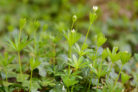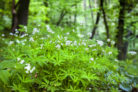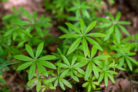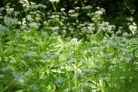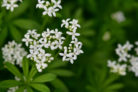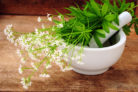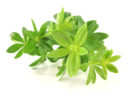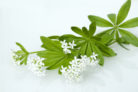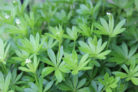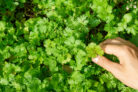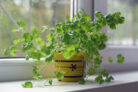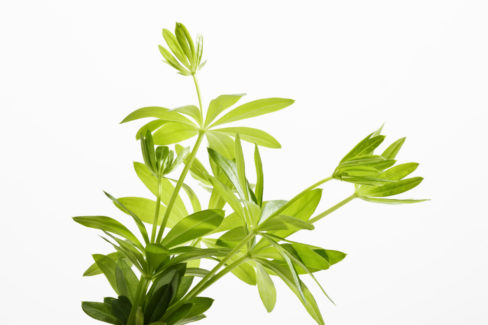
In the wild, sweet woodruff is most at home in damp, shady woodlands. But here’s a pro tip: this fragrant herb is actually a fantastic addition to your own backyard! It’s especially happy growing in pots, making it a perfect choice for adding some greenery to your balcony or patio.
Ways to Grow Your Own Sweet Woodruff
While you’ll find wild sweet woodruff in just about every forest, it’s incredibly versatile for home gardeners. You can grow it:
- As a lush groundcover in your garden beds
- Or as a charming potted plant for balconies and terraces.
Finding the Perfect Spot
In nature, sweet woodruff thrives in shady, slightly damp spots. If you’re growing it in containers, you’ll want to mimic those conditions. Sunny spots aren’t really its thing, so make sure to provide plenty of shade. It’s also a good idea to keep your plants tucked away from heavy rain or harsh, gusty winds.
Care and Maintenance Tips
When picking out a pot, size definitely matters. In the wild, sweet woodruff acts as a groundcover with a pretty vigorous root system. If your plant starts looking a bit cramped, it’s time to move it to a larger container or divide it into a few smaller plants.
To keep the roots happy, try putting a layer of clay at the bottom of the pot to act as a natural water reservoir. Fill the rest with loose, humus-rich soil—ideally with a bit of lime mixed in. To give it a nutritional boost, you can mix in some compost or horn shavings.
Keep your sweet woodruff watered regularly; you never want the soil to dry out completely. Usually, you won’t need any extra fertilizer. Just keep things tidy by snipping off any brown or wilted stems. While sweet woodruff is hardy, potted plants need a little extra winter protection since there’s less soil to insulate the roots.
Harvesting and Using Your Sweet Woodruff
During the first year, try to harvest sparingly so the roots can really establish themselves. Generally, the best time to harvest is before the blooming season begins (usually before April). This is when that signature sweet aroma is at its peak intensity.
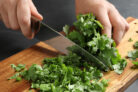
That said, if you’re growing it in pots on a balcony, you can pretty much harvest and use it year-round. And if you end up with a bumper crop, don’t worry—there are plenty of ways to preserve your extra herbs for later!