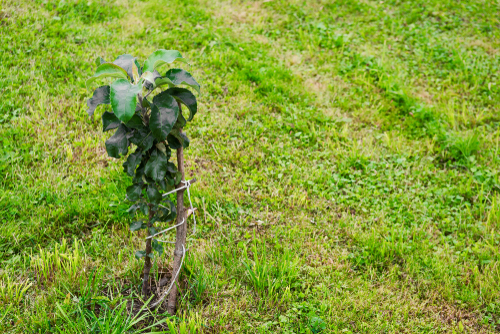
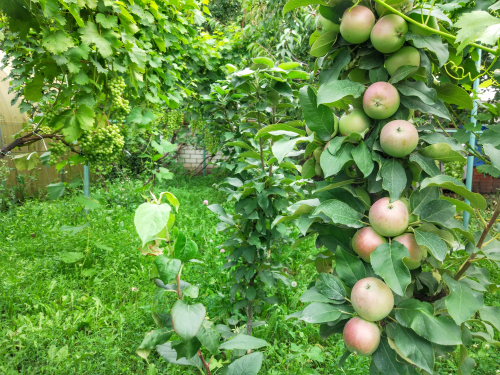
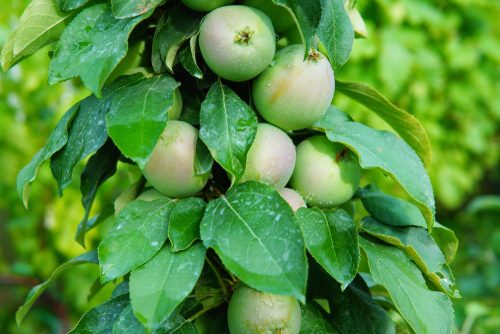
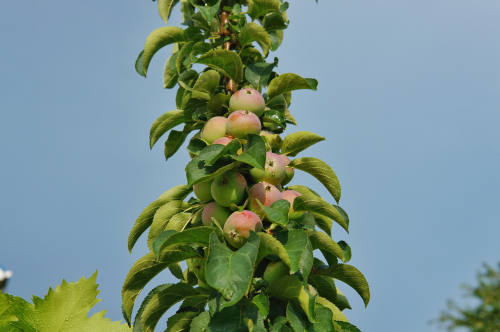
Growing columnar fruit trees on your balcony is the perfect workaround if you don’t have a big backyard. Because these trees grow slim and straight up, you don’t have to worry about them taking over your outdoor living space. It’s a total game-changer for urban gardeners who want to harvest their own fresh fruit right outside their door.
The Best Columnar Fruit Varieties for Your Balcony
Not every fruit tree naturally grows in a “pillar” shape. Some varieties are bred to stay slim, while others need a little help from your pruning shears to keep that upright form. There’s also a big range in size—some mini trees stay under three feet tall, while others can eventually reach 15 feet or more if you let them. If you’re looking for low-maintenance vibes and don’t want to spend your weekends pruning, definitely go for a dwarf variety. Generally, these are the best picks for balcony life:
- Columnar raspberries,
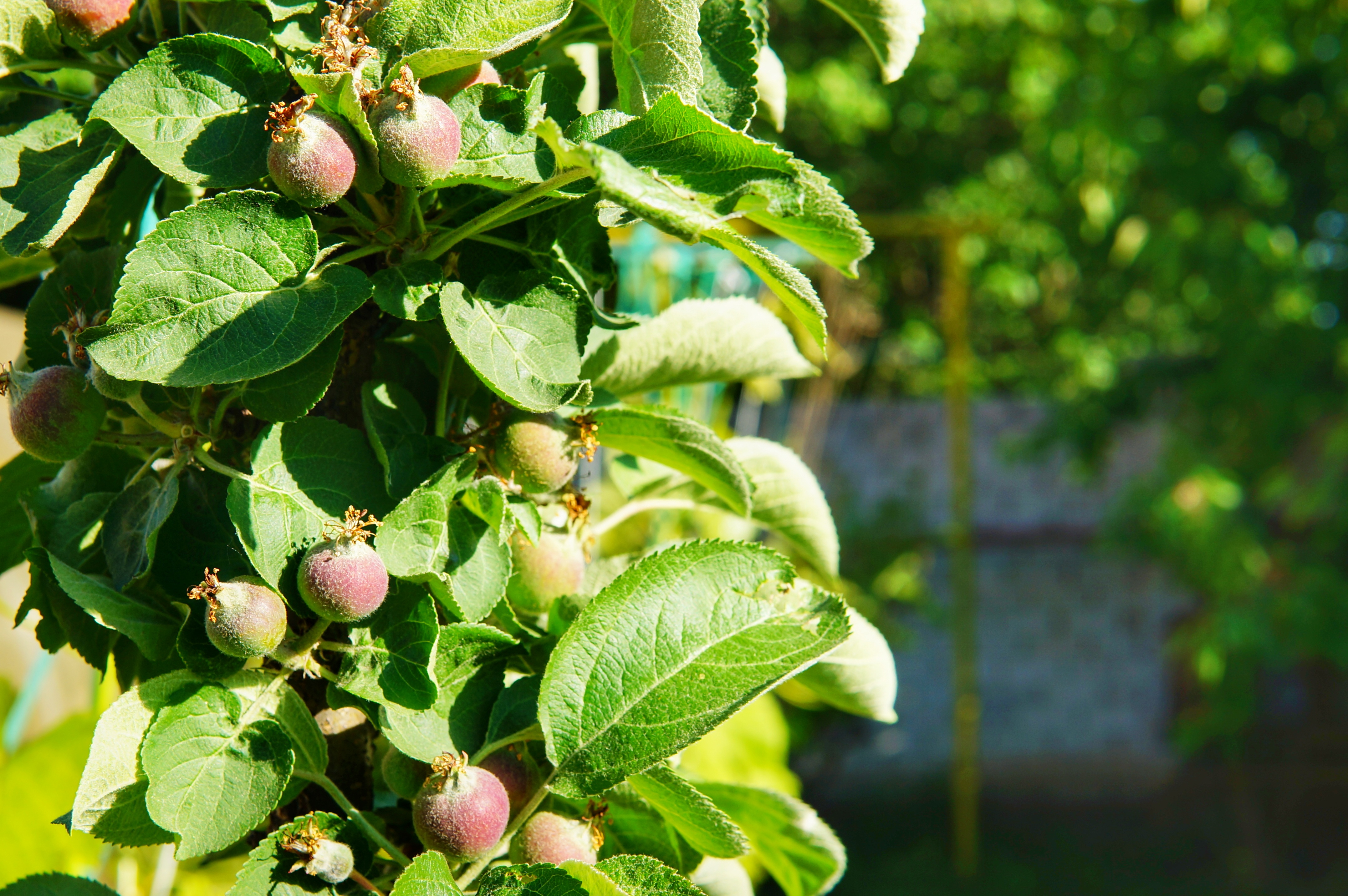
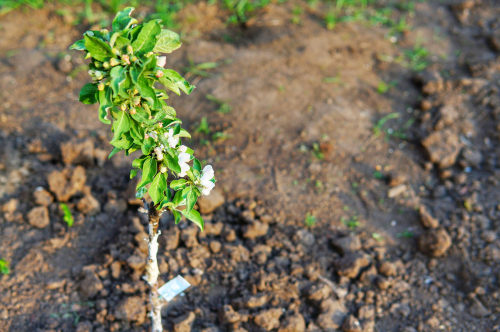
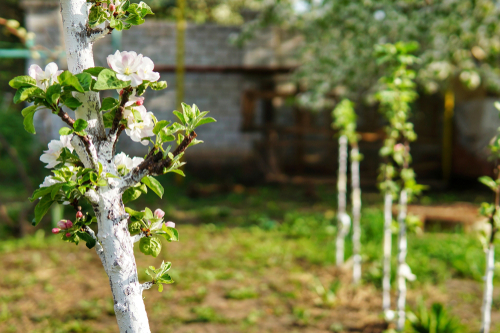
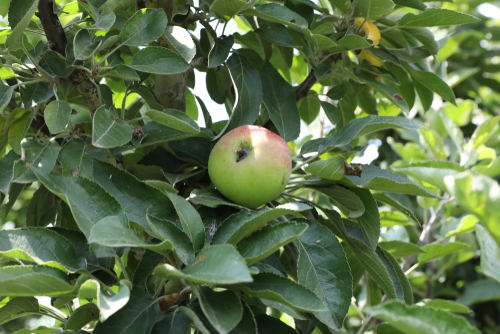
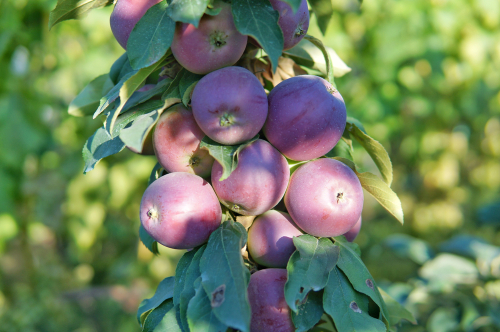
- Columnar apples,
- Columnar plums,
- Columnar apricots,
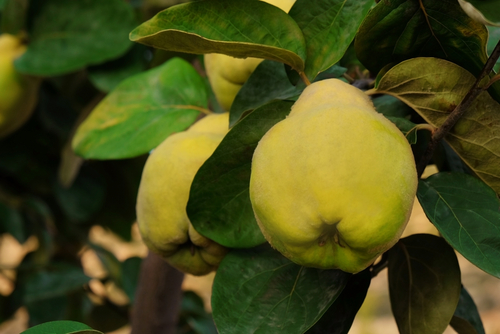
- Columnar pears, or
- Columnar peaches.
Location is Everything
First things first: your trees need a sunny spot. Plenty of sunlight is the secret ingredient for juicy, sweet fruit. You’ll also want to make sure your planter is big enough for the roots to stretch out. Use a potting mix that is loose, nutrient-rich, and well-draining.
Make sure your pot has drainage holes at the bottom—standing water is a recipe for root rot. When winter rolls around, your trees can usually stay out on the balcony. Just push them up against the house wall for warmth and wrap the pots in some insulating bubble wrap to protect the roots from the freeze.
A Few Extra Tips for Balcony Success
One thing balcony gardeners often forget about is the wind. A tall, slender tree in a pot can act like a sail and tip over during a storm. The taller the tree, the more likely it is to catch a gust. To keep your trees upright, try these simple tricks:
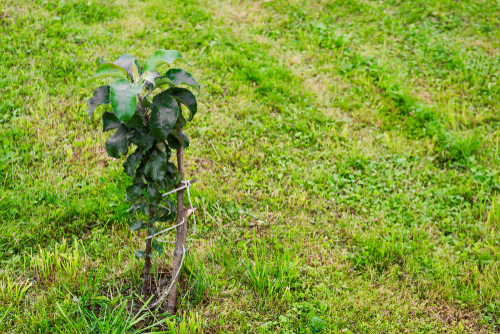
- Secure the trunk to your balcony railing with some soft garden twine.
- Use the largest, heaviest planter possible.
- Add some heavy stones to the bottom of the pot for extra weight.