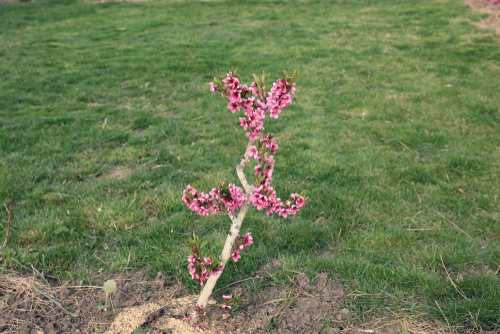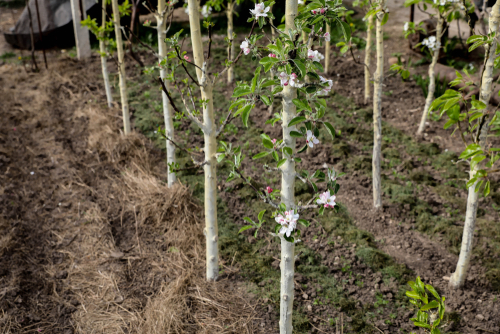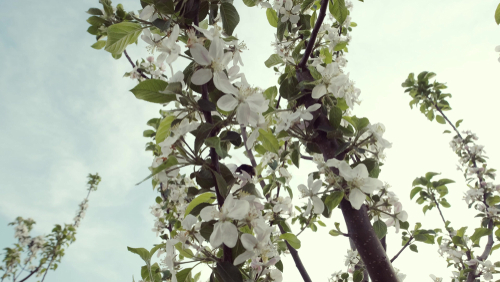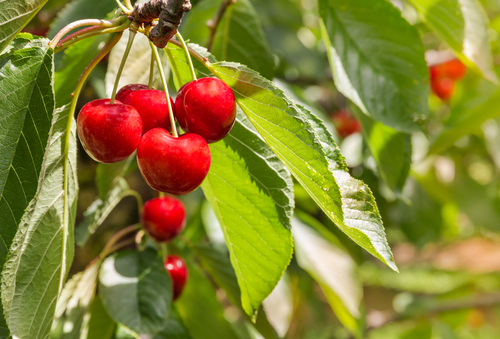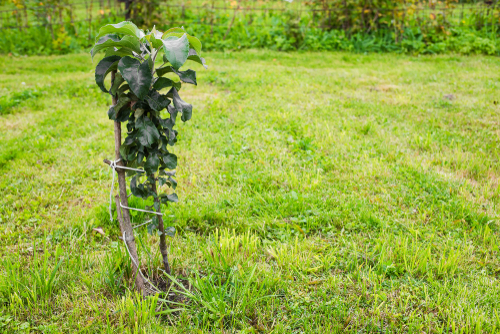
Growing columnar fruit trees is becoming a huge trend, and honestly, I’m here for it! Whether you’re dreaming of apples, pears, or plums, these vertical beauties are total space-savers. You can even go a bit more exotic with nectarines or peaches. But if you want your columnar peach tree to really thrive and give you that backyard harvest, you’ve got to stay on top of pruning.
When is the best time to prune a columnar peach?
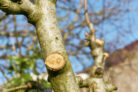
Generally, you’ll want to grab your shears either right before the tree blooms or immediately after you’ve finished harvesting. You can even do a little bit of maintenance at both times! If you’re looking to rejuvenate the tree or keep it healthy, focus on the branches that bore fruit this year—about two-thirds of them will need some attention. This is why a post-harvest prune is so great; the tree is still active enough that the “wounds” from the cuts heal up quickly and without much fuss.
How to prune your columnar peach like a pro
To get the cut right, you first need to understand the anatomy of your little tree. It’s made up of:
- The main trunk (or “central leader”),
- True fruiting wood,
- False fruiting wood, and
- Wood shoots (vegetative growth).
You can remove those wood shoots without a second thought because they won’t produce flowers or fruit. Unless they’re adding something special to the look of your tree, go ahead and cut them back to about two pairs of buds. Then there’s the “false” fruiting wood. These are a bit sneaky—they look like they’re ready to produce because they have round flower buds, but they lack the pointed leaf buds needed to support the fruit. You can prune these away too.
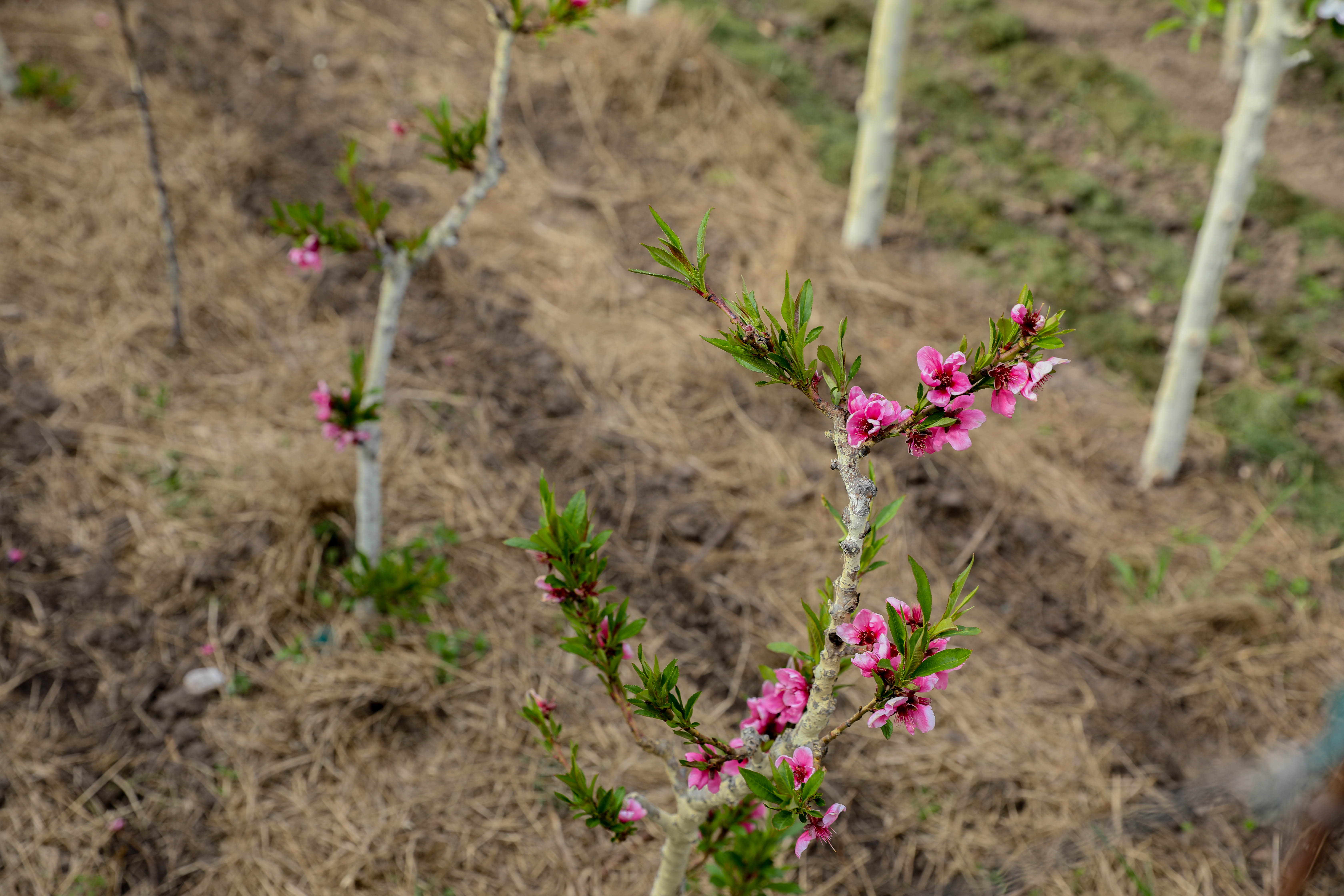
The stars of the show are the true fruiting shoots. You’ll recognize these by a specific pattern: a pointed leaf bud sandwiched between two rounded flower buds. Leave these alone! At most, you might just trim the very tips to keep the tree from getting too wild.
Don’t skip the shaping!
To keep that sleek, upright “column” look, regular shaping is a must. Not only does it keep the tree looking tidy, but it also encourages the kind of branching that leads to a better fruit yield. Just trim back the side branches to maintain that narrow silhouette.
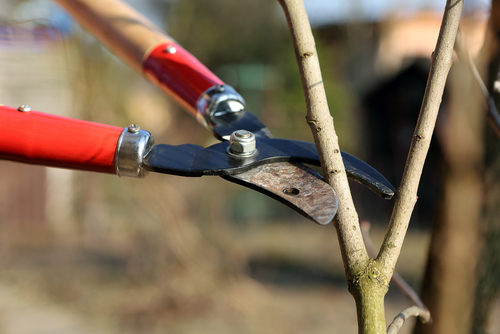
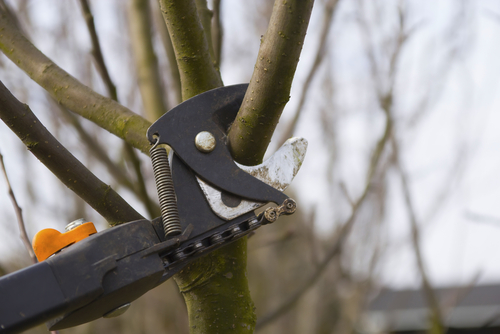
One last pro-tip: hygiene matters! Always disinfect your pruning shears with rubbing alcohol before you start. Make sure your blades are razor-sharp so you get clean, smooth cuts. This helps the tree heal faster and keeps pests and diseases from moving in after the trim.