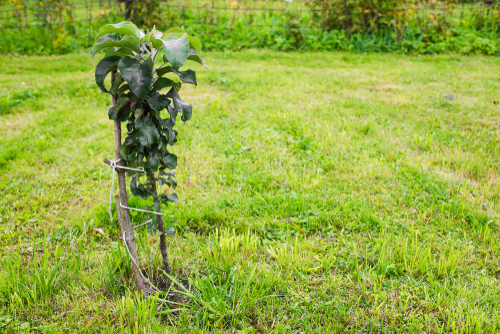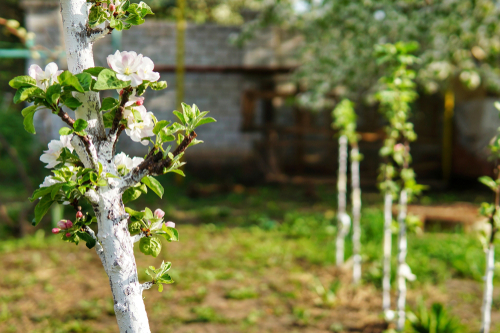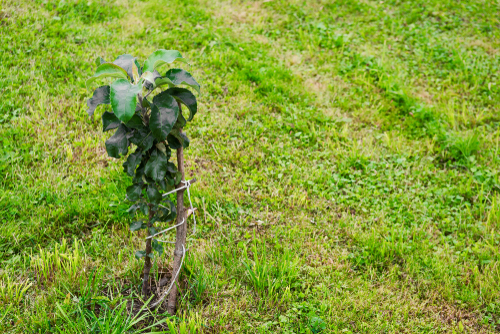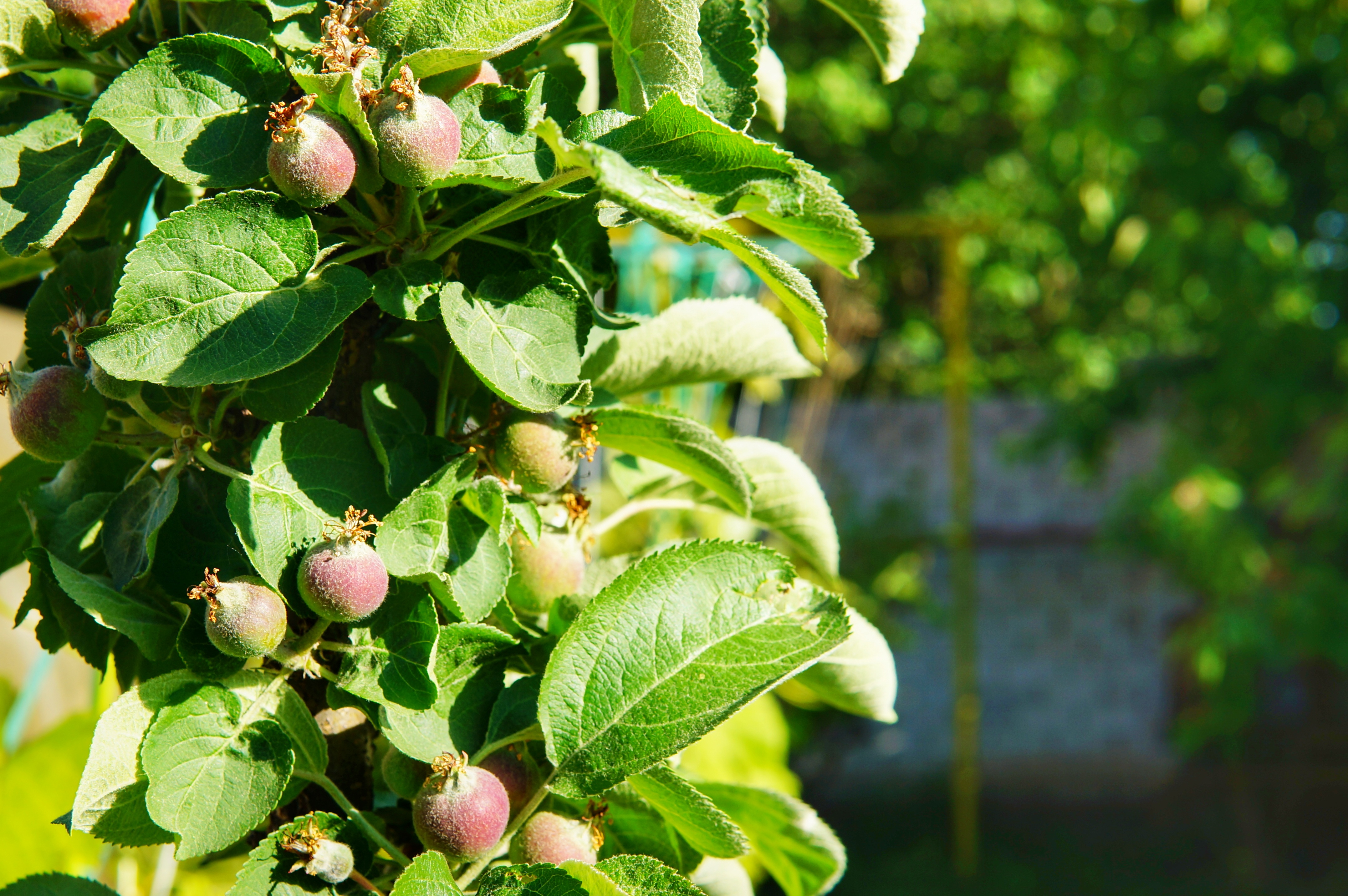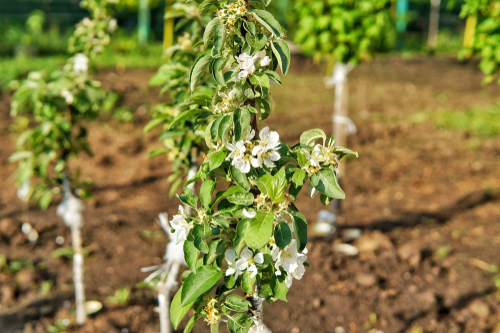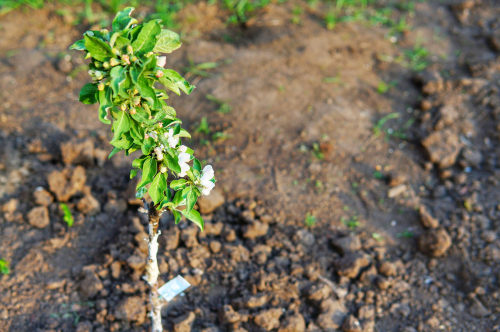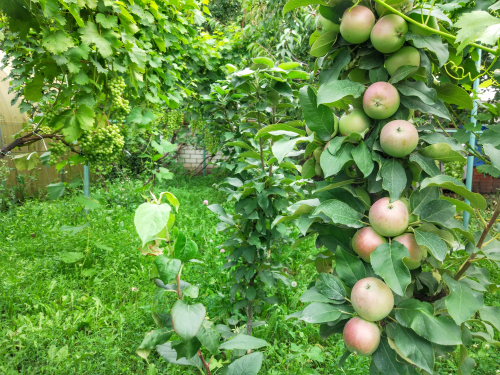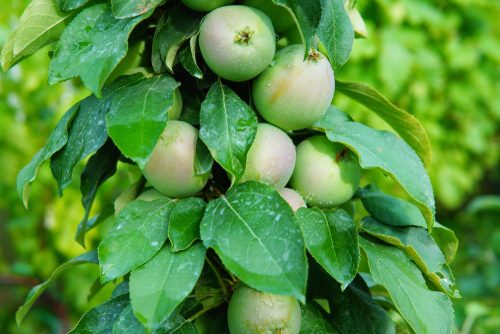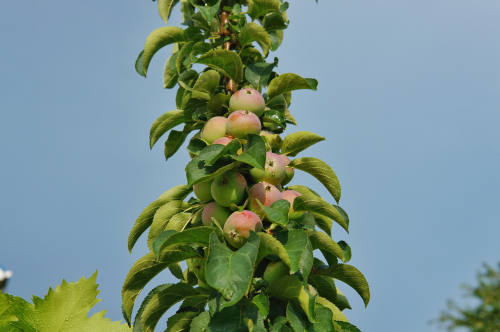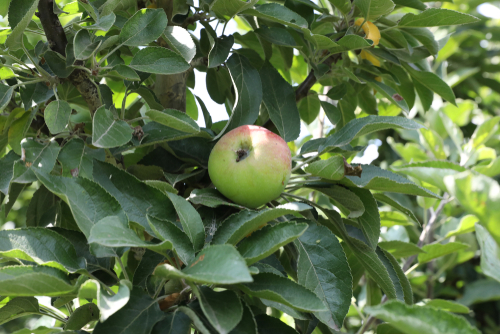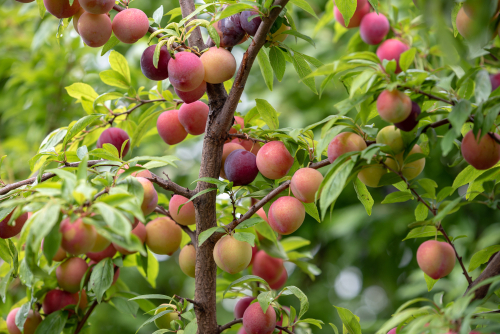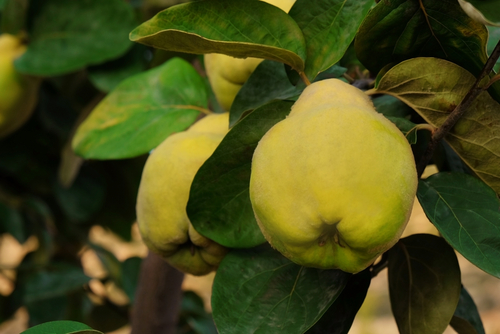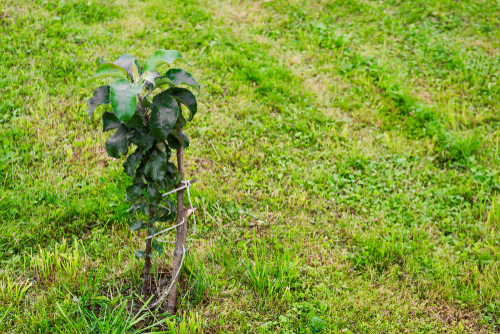
We all dream of picking fresh fruit right from our own backyard, don’t we? But let’s be real—not everyone has the space for a massive orchard. That’s where columnar fruit trees come in! They are the perfect compromise for small spaces. Here are my top tips for getting these vertical beauties into the ground.
Choosing the Right Columnar Fruit Tree
The variety available at garden centers these days is honestly incredible. But here’s a little secret: most of these are just standard fruit trees that have been trained to grow in a narrow, upright shape. This means they do require a bit of “TLC” to stay looking sharp. You’ll need to prune them regularly to maintain that sleek pillar form. When you’re shopping around, look for hardy varieties that are naturally resistant to pests and diseases—it’ll save you a lot of headaches later!
The Perfect Spot for Your Trees
For the most part, columnar trees are sun-worshippers. They need plenty of sunlight to grow strong and produce those sweet, juicy fruits we love. You’ll also want to find a spot that’s protected from harsh winds, which is especially important if you’re growing your trees in pots or containers. If your yard is on the shadier side, don’t worry! You can still get in on the action with berries like blueberries or raspberries, which are much more tolerant of partial shade.
How to Plant Your Columnar Fruit Trees
When it’s time for planting, the golden rule is to be gentle with the roots. They’re pretty sensitive, and you definitely don’t want them drying out before they hit the soil. Dig a nice, wide hole, set your tree inside, and fill it back up with loose, high-quality soil. Here are a few extra things to keep in mind:
- Mix in some slow-release fertilizer or organic amendments (like horn meal) to give it a boost.
- Give it a really good soak right after planting.
- Press the soil down lightly with your hands—don’t pack it too tight!