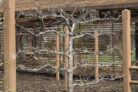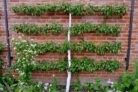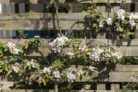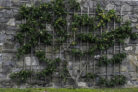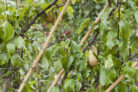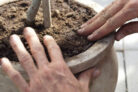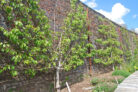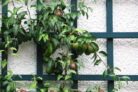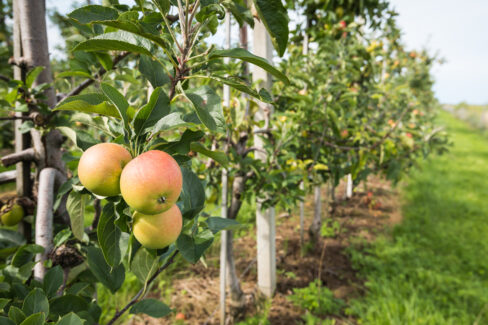
Trained fruit trees—or espalier, as we pros call them—aren’t just eye candy for your backyard; they’re total multitaskers. Whether you want a fresh snack, a living privacy screen, a unique hedge, or a way to dress up a plain exterior wall, espalier is the way to go. Just a heads-up: it does take a bit of know-how and some extra TLC to keep them looking sharp.
Location and Soil: Get it Right the First Time
When you’re planning your orchard, you really want to have a solid game plan. Trust me, you don’t want to be digging these up and moving them later! Before you start digging, take a good look at your yard’s conditions. You’ll want to make sure the “rootstock” (that’s the root system the tree is grafted onto) is a good match for your specific soil and sun levels.
Spacing Your Trees in a Row
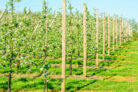
One thing to keep in mind is that espalier trees love to stretch out horizontally. Generally, you’ll want to give them about 6 to 10 feet of breathing room between each tree. If you’re going with a U-shape training style, you can actually get away with planting them a bit closer together. It’s always a smart move to ask your local nursery about the rootstock; if you’re planting right against a house wall, you might actually want a more vigorous rootstock to help it fill out that space.
Using Espalier for Hedges or Privacy Screens
If your goal is to create a “fruiting fence” or a privacy screen for your patio, you’ll want to tighten up that spacing to less than 6 feet. In this scenario, you’re usually less worried about a massive harvest and more focused on getting that lush, “filled-in” look so the neighbors can’t peek through.
Planting with a Support System
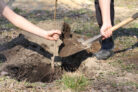
Fall is hands-down the best time to plant fruit trees. However, if you’re dreaming of heat-lovers like figs or apricots, wait until spring so a late frost doesn’t nip them in the bud. (If you bought your tree in a container, you’re good to plant pretty much year-round). No matter when you plant, these trees need a sturdy trellis or support system from day one to help guide their branches. Aim to plant the trunk about 8 inches away from the support. If you’re planting against a house wall, a simple system of heavy-duty wires and eye hooks works wonders as a DIY trellis.