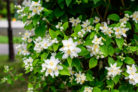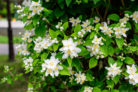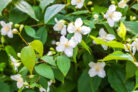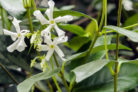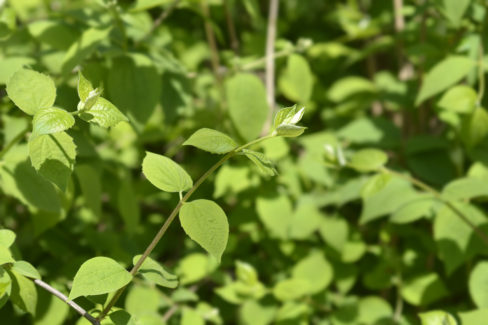
Technically, Mock Orange (also known as False Jasmine) doesn’t *need* a haircut to survive. However, if you want a bush that looks tidy and explodes with those fragrant white flowers every year, a little pruning goes a long way.
Why You Might Want to Prune Your Mock Orange
Even though it’s a low-maintenance shrub, there are a few scenarios where grabbing your shears is a great idea:
- Shaping the bush after it finishes blooming.
- Giving an old, woody plant a “rejuvenation” makeover.
- Clearing out diseased or frost-damaged branches.
- Snagging some cuttings to grow brand-new plants.
Keeping Your Mock Orange in Check
Mock Orange is a vigorous grower and can get pretty wild if left to its own devices. To keep it from taking over your garden, you’ll want to do some light thinning. The golden rule here is timing: always prune right after the blooming season ends. This ensures you aren’t cutting off next year’s flower buds. Whatever you do, avoid pruning in the fall! If you trim it too late in the year, you’ll likely cut off the new buds, leaving you with a green but flowerless bush next spring.
Reviving Old Plants with Rejuvenation Pruning
If you have an older Mock Orange that’s looking a bit sparse or just isn’t blooming like it used to, it might be time for some “tough love.” Don’t be afraid to be aggressive here—you can cut the entire plant back by a third or even two-thirds. While it might look a little bare for a season or two while it focuses on growing fresh new wood, the payoff is worth it. In a couple of years, you’ll be rewarded with a lush, rejuvenated shrub covered in blossoms.
Removing Diseased Wood
If you spot any diseased, dead, or broken branches, snip them off immediately. Getting rid of the “dead weight” not only keeps the plant looking polished but also allows the shrub to funnel all its energy into healthy new growth and vibrant flowers.
Pruning for Propagation
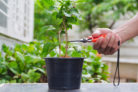
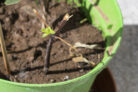
Another great excuse to prune is to expand your garden for free! Those healthy green trimmings don’t have to go into the compost bin. Instead, you can use them as cuttings to propagate new plants. It’s a super easy way to get more of that amazing fragrance in other parts of your yard or to share with neighbors.