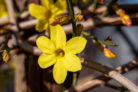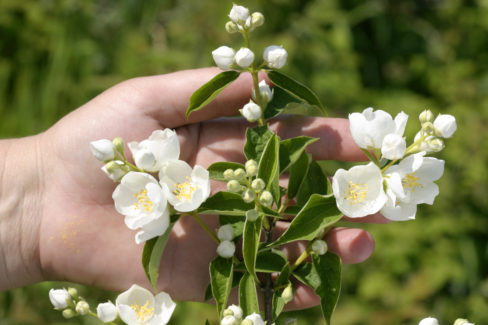
Whether you’re growing True Jasmine or Mock Orange, the easiest way to get more of these fragrant beauties is through cuttings. I’m going to walk you through exactly how to take those cuttings and turn them into thriving new plants for your home or garden.
Propagating Jasmine from Cuttings
The great news is that jasmine is super easy to propagate yourself at home. The best time to grab your cuttings is during your regular jasmine pruning session. If you’re already trimming back your vines or shrubs in the spring or summer, don’t toss those clippings! You can use them right away for propagating your jasmine.
If you’re working with Mock Orange (False Jasmine), June is usually the sweet spot for taking cuttings. Just a heads-up: even though Mock Orange is generally winter-hardy, these little “babies” aren’t tough enough to handle a deep freeze yet. Make sure to give your young plants some extra winter protection during their first year outside.
How to Grow Your Cuttings
Ready to create some clones? Here’s how to grow new plants that are genetically identical to your favorite mother plant:
- Look for young shoots that are just starting to turn slightly woody at the base. Use a sharp knife or clean garden shears to snip off sections about 4 to 6 inches long.
- Strip off the lower leaves and any flower buds. If the remaining top leaves are particularly large, you can actually snip them in half to reduce moisture loss.
- Stick your cuttings into pots filled with seed-starting mix. If you want to DIY it, mix regular garden soil with a bit of sand, compost, or expanded clay. To prevent mold, it’s a smart move to make sure your soil is sterile. A quick trick is to pop your soil-filled pots in a hot oven for a few minutes to kill off any lingering germs.
The Perfect Spot for Your New Plants
Your little cuttings need a cozy, bright, and warm spot to call home. Aim for temperatures around 70°F (20°C). Keep the soil consistently moist, but be careful not to let it get soggy—nobody likes wet feet! To create a mini-greenhouse effect, drape some clear plastic wrap over the pots. Just remember to lift it once a day to let in some fresh air.
Once you see new leaves sprouting, you’ll know they’ve successfully rooted! At that point, you can move them into their own larger pots. Just be patient—it usually takes about two years for a new jasmine plant to produce its first fragrant blooms.
Other Ways to Propagate
While cuttings are definitely the “path of least resistance,” there are a couple of other ways to expand your jasmine collection:
- Sowing jasmine seeds.
- Layering (rooting a stem while it’s still attached to the main plant).