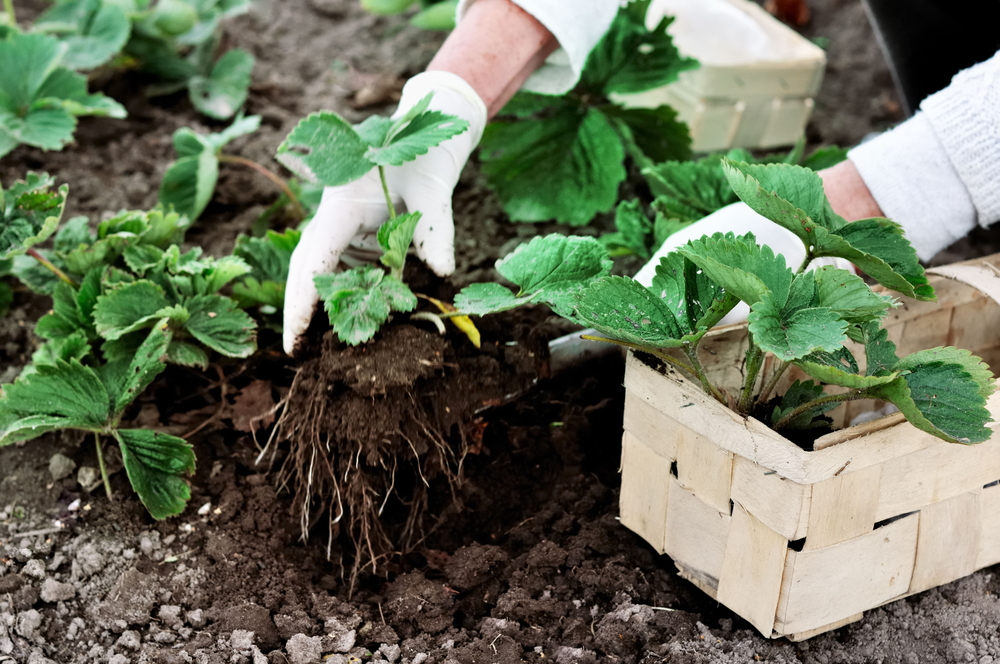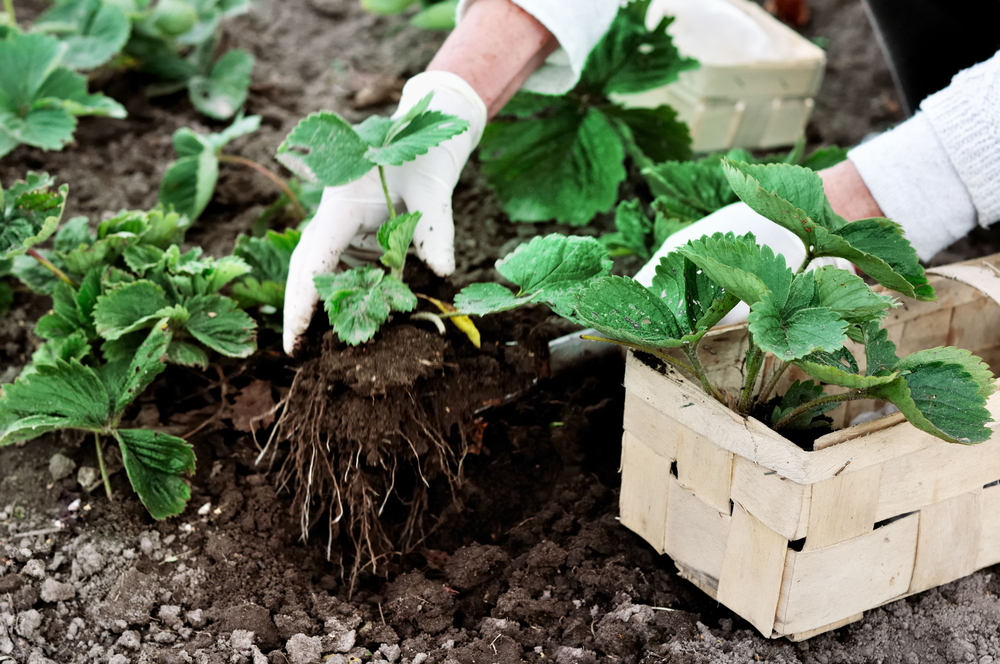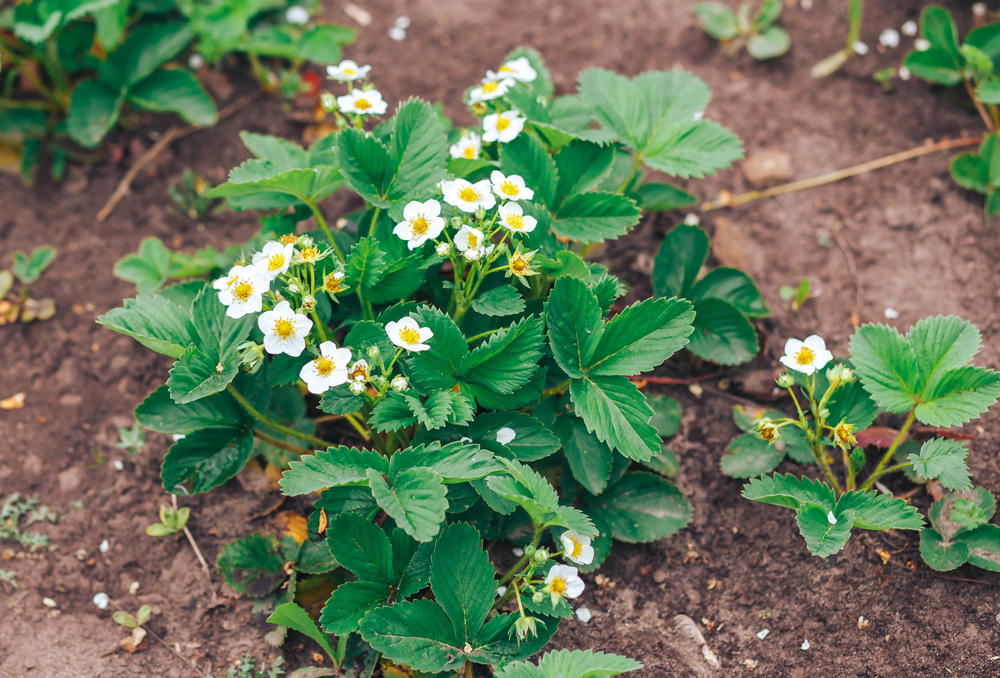
Most of us gardeners love the idea of companion planting—mixing and matching different fruits and veggies in the same bed to make the most of our space. If you’re planning your strawberry patch, you’ve probably wondered which plants make the best neighbors. Today, we’re diving into a common question: Can you actually plant tomatoes and strawberries together?
What Makes a Good Companion Plant?
A successful companion planting setup only works if you pair up plants that actually get along. If you get the combo wrong, your plants might end up competing for resources rather than helping each other out. Generally speaking, you want your plants to be compatible in these areas:
- Root systems (shallow vs. deep roots)
- Root size
- Nutrient needs
- Growth height
- Spread/width
- Harvest time
Planting Strawberries and Tomatoes Together
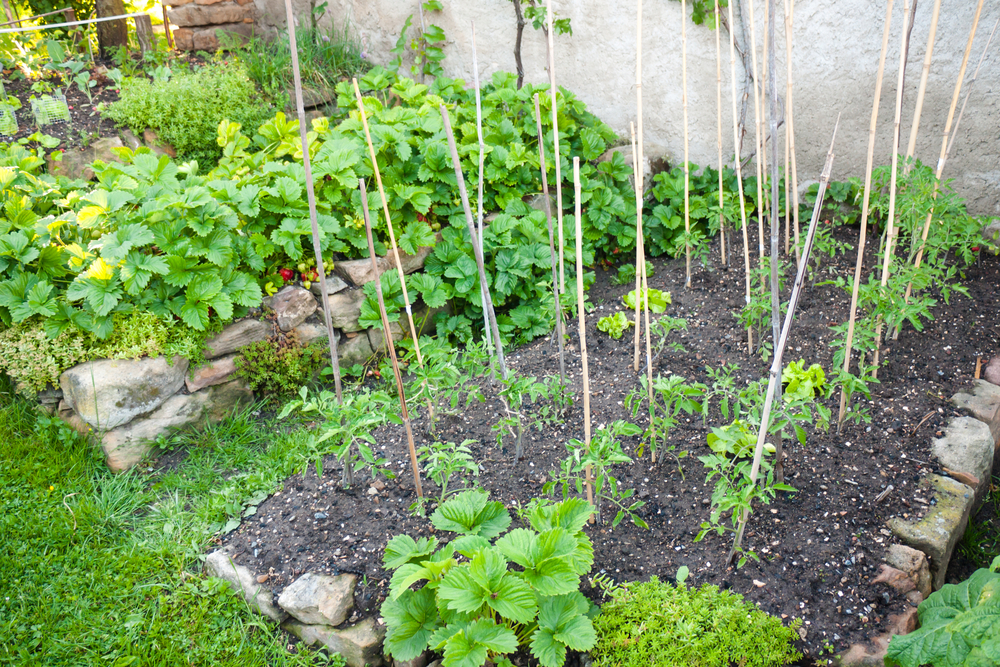
On paper, it looks like a great match: tall, vertical tomato plants paired with low-growing strawberry groundcover. Since tomatoes are “heavy feeders” (they love their fertilizer) and strawberries also have a decent appetite but are perennials, they shouldn’t technically get in each other’s way. However, in reality, tomatoes and standard garden strawberries are only “okay” neighbors at best.
Here’s the deal: Tomatoes grow tall and cast a lot of shade. Most garden strawberries are total sun-worshippers and need every bit of light they can get to produce those sweet, red berries. Plus, tomatoes need a ton of water and frequent fertilizing. If your strawberries get hit with that much water, you might find the flavor of the berries gets a bit watered down.
A Better Match: Wild Strawberries and Tomatoes
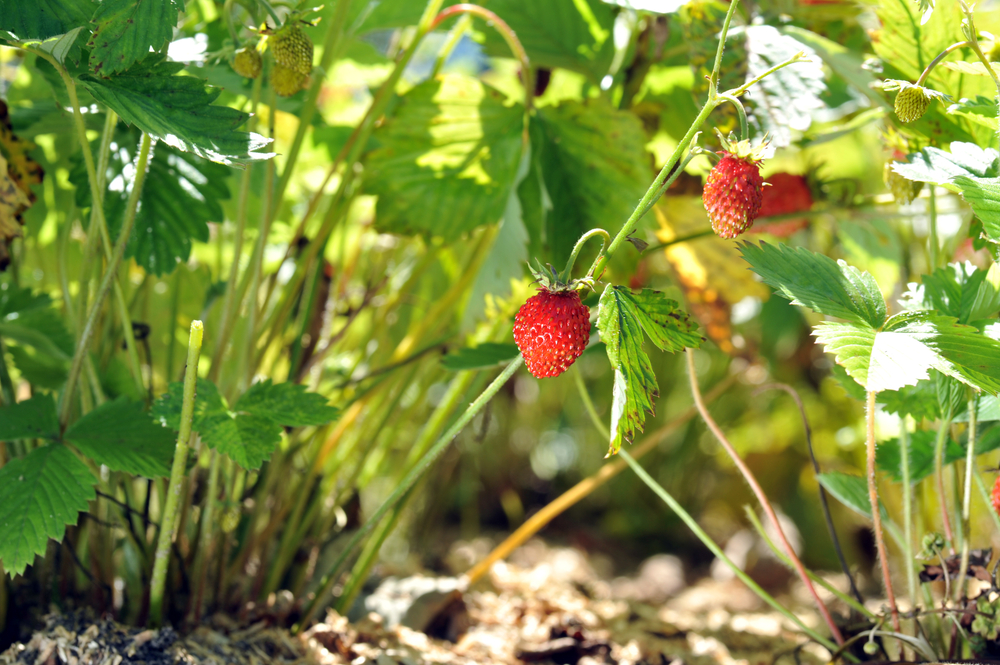
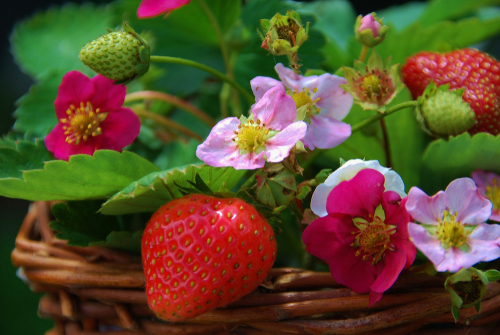
While standard garden strawberries might struggle in a tomato’s shadow, wild strawberries (Alpine strawberries) are a different story. Even though they’re cousins, wild strawberries are much better suited for life under a tomato canopy. Why? Because wild strawberries naturally grow on the forest floor, meaning they thrive in the shade of taller plants. They also handle the extra moisture much better than their garden-variety relatives.
One last pro-tip: Remember that strawberries can be their own worst enemy. You shouldn’t plant them in a spot where strawberries have grown in the last three to four years. The soil gets “tired” and depleted of specific nutrients, so it’s best to give that patch of earth a break or a heavy dose of compost before planting strawberries there again.