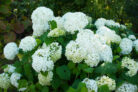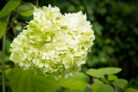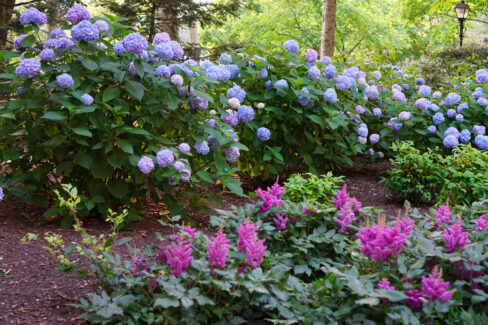
Hydrangeas are a total game-changer for those tricky spots in your yard that don’t get much sun. They’re famous for pumping out gorgeous blooms even in partial or full shade! But why stop at just the shrubs? You can take your garden to the next level by pairing them with the right companions. Here’s the lowdown on how to underplant your hydrangeas and what you need to keep in mind to keep everyone happy.
Designing Your Part-Shade Spots
Whether you’re rocking deep, moody hues or classic white blooms, hydrangeas look stunning against a lush green backdrop. The secret to a successful pairing is choosing neighbors that love the same acidic soil that hydrangeas crave. For a modern, breezy look, try underplanting them with bamboo or ornamental grasses.
To give your plants the best start, stick with these soil types:
- Hydrangea-specific potting mix
- Azalea soil
- Rhododendron soil
If grasses aren’t your thing, perennials and anemones offer a beautiful, soft contrast to those big hydrangea mopheads. They’re perfect for filling out a dedicated hydrangea bed. Just remember to give everyone enough elbow room when planting and stay on top of your fertilizing routine. When you mix different species, they can get a bit competitive for nutrients! Make sure you’re using the right soil and keep your hydrangeas well-watered—they’re thirsty plants, after all.
Creating a Stunning Shade Garden
If your garden spot is tucked away in the deep shade, don’t worry—you’ve still got plenty of options. Try tucking in some ferns, Lady’s Mantle, or Coral Bells (Heuchera) around the base of your shrubs. A smart underplanting strategy can actually extend the visual interest of your garden, picking up the slack before or after the hydrangea’s already long blooming season.
You can even create gorgeous flowering hedges by mixing hydrangeas with the right companions. Ferns are a classic choice here, but you can also add some height with small trees like Crabapple or Cornelian Cherry. Just a heads-up: if you’re planning on trimming back your hedge, you’ll need to keep the specific pruning needs of your hydrangeas in mind.
Some hydrangea varieties are a bit sensitive—if you cut them back too hard, you might accidentally chop off next year’s flowers. Others actually bloom better if you give them a good haircut in the spring. It all depends on which variety you have, so do a little homework before you grab the shears. Some types are even perfectly happy with no pruning at all!