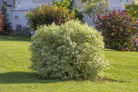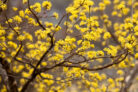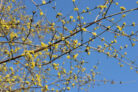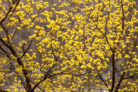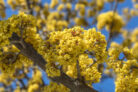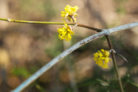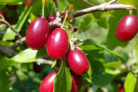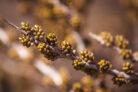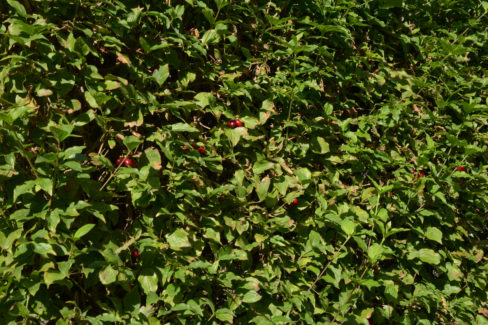
Looking for the perfect hedge? The Cornelian cherry (Cornus mas) is an absolute gem for creating a natural boundary in your yard. I’m going to walk you through why these shrubs make such great hedges and how to keep yours looking its best.
Why the Cornelian Cherry is a Fantastic Hedge Choice
The Cornelian cherry is a standout pick for hedging, and for good reason! Here’s why I love it:
- It’s one of the first to bloom in early spring, followed by tasty, edible berries.
- You get a gorgeous show of color when the leaves turn in the fall.
- It grows at a manageable pace and handles pruning like a champ, so you can shape it however you like.
- It’s incredibly low-maintenance and tough as nails when it comes to where you plant it.
- It rarely deals with annoying pests or diseases.
A Few Things to Keep in Mind
While I’m a huge fan, there are a couple of small “cons” to consider:
- It’s deciduous, meaning it drops its leaves after that fall color show. If you need 100% privacy in the dead of winter, keep that in mind.
- It likes to spread out! It can get quite tall and wide, but don’t worry—regular trimming keeps that growth in check perfectly.
Finding the Best Spot for Your Hedge
When it comes to the right location, the Cornelian cherry isn’t picky at all. The golden rule here is: the more sun, the better! Just make sure every plant in your hedge line gets its fair share of light. Because it’s so hardy, it’s a great choice for planting along driveways or roadsides. It even handles road salt in the winter without breaking a sweat.
How to Plant Your Cornelian Cherry Hedge
Planting a hedge is pretty similar to planting a single tree. For the best start, I recommend buying plants that are already about 3 to 5 feet tall. When you’re digging your holes, space the plants about 30 to 40 inches apart. This gives the roots enough room to establish themselves while allowing the branches to eventually knit together into a solid hedge.
Caring for Your New Hedge
Once your hedge is in the ground, give it plenty of water to help those roots settle in—just make sure the soil isn’t getting swampy. A nice layer of mulch around the base is a lifesaver; it feeds the plants and keeps the moisture levels steady. Usually, you won’t even need to worry about extra fertilizer.
Keeping It Tidy: Pruning Tips
To keep your hedge looking sharp, you’ll want to prune it regularly. The best time for a light trim is right after the flowers fade in the spring. Go ahead and clear out any old, dead, or woody stems, and snip back those “rebel” branches that are sticking out of your desired shape. Just be careful not to go too overboard—you want to maintain the shape without leaving any awkward bald spots!