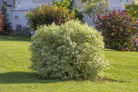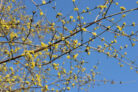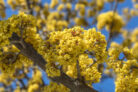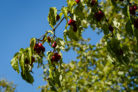
Generally speaking, you don’t really need to worry about pruning your Cornelian cherry dogwood on a regular basis because it’s such a slow grower. However, there are a few specific situations where grabbing your shears isn’t just a good idea—it’s actually necessary.
Why You Might Need to Prune
Since these shrubs take their time growing, they’re pretty low-maintenance. But, you might want to head out to the garden for a trim if you’re looking to:
- Thin out the branches after they bloom,
- Do a “hard prune” on a plant that’s gotten way too big,
- Shape them into a formal hedge, or
- Snip off some cuttings to grow new baby plants.
Thinning Out Your Shrub
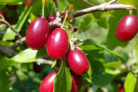
It’s often a great idea to give your Cornelian cherry a little “breathing room” once the flowering season is over. Use a sharp pair of garden shears to clear out any old, overly woody, or dead branches. This helps the plant focus its energy on fresh, new growth. Just a heads-up: try not to go overboard and snip off too many flower buds. Those buds eventually turn into berries that are a vital food source for birds and bees—and they’re actually pretty tasty for us humans, too!
The Radical Cutback
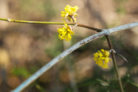
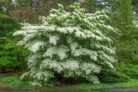
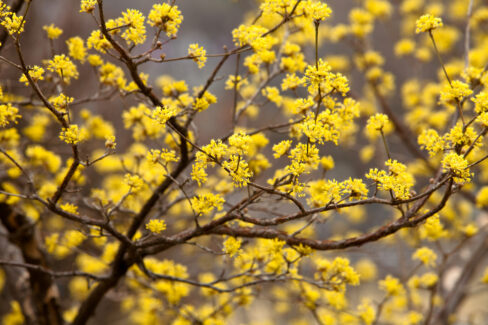
Even though the Cornelian cherry is a slow grower, if it’s sitting in the perfect spot, it can eventually reach heights of 20 to 25 feet. If your shrub has turned into a bit of a monster and is taking over the yard, don’t be afraid to give it a radical prune. These plants are incredibly hardy and very forgiving. Even if you cut back quite a bit, it will bounce back with new shoots and branches over the next few years. Just keep in mind that it might take a few seasons before you see those yellow flowers again.
Pruning for Hedges
If you’re growing your Cornelian cherries as a hedge, regular trimming is a must to keep things looking neat and tidy. The best time for this is right after the blooming period. Simply trim back any rogue branches that are sticking out to maintain the shape you want.
Taking Cuttings for Propagation
If you’re looking to propagate your dogwood using cuttings, you’ll obviously need to do a little clipping. You’ll want to cut about 8-inch sections from young, green shoots that haven’t turned woody yet. Both the spring (right after flowering) and the fall are great times to gather these cuttings and start expanding your garden.