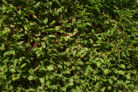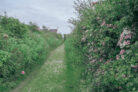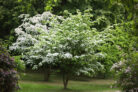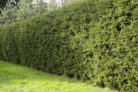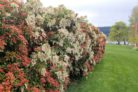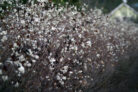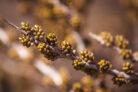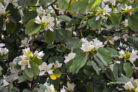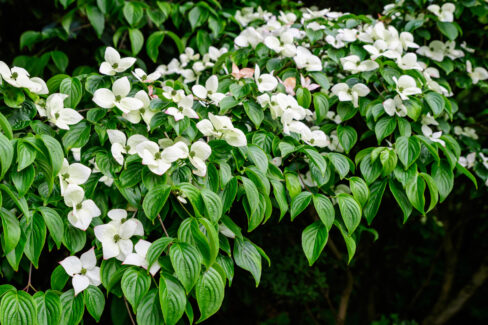
If you’re looking to add some structure to your yard, Dogwood (also known as *Cornus*) is a fantastic choice for a natural hedge. But before you head to the nursery, it’s important to know that not every variety is cut out for the job. I’ll walk you through which types work best and what you need to keep in mind to get that perfect, leafy screen.
What Makes a Great Dogwood Hedge?
To get a hedge that actually provides some privacy, you need a variety with specific “personality traits.” Ideally, your Dogwood should have:
- Upward growth (skip the groundcover varieties for this project!),
- A tendency to spread out wide,
- Dense foliage to block out the neighbors,
- And the ability to bounce back quickly after a good pruning.
The Best Varieties for Your Hedge
Out of the 50+ species of Dogwood found around the world, these four are the superstars of the hedging world:
- Tatarian Dogwood (Cornus alba)
- Red Osier Dogwood (Cornus stolonifera)
- Cornelian Cherry (Cornus mas)
- Bloodtwig Dogwood (Cornus sanguinea)
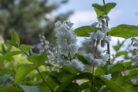
All of these varieties grow tall and wide enough to create a solid barrier. Plus, they offer beautiful blooms and colorful berries, which add a nice pop of visual interest to your landscape throughout the seasons.
Getting the Spacing Just Right
When you’re planting your hedge, spacing is everything. You want the plants close enough so they knit together into a dense screen, but far enough apart so they aren’t fighting for nutrients and light.
While every variety grows a little differently, a good rule of thumb is to space them about three feet (one meter) apart. Don’t forget to leave some “breathing room” between your hedge and any nearby sidewalks, driveways, or other garden beds!
Caring for Your Dogwood Hedge
The great news is that Dogwoods are incredibly hardy and low-maintenance. They aren’t very picky, but there are two things they really appreciate:
Keep Them Hydrated
During those scorching summer dry spells, make sure your hedge is getting enough water. Dogwoods are pretty thirsty plants and don’t like to stay dry for too long.
Don’t Be Afraid to Prune
Because these shrubs grow so fast, regular pruning is key. Trimming them back doesn’t just keep the hedge looking neat and tidy—it actually encourages the plant to grow back thicker and more branched out, giving you even better privacy.