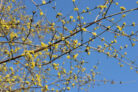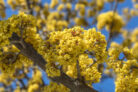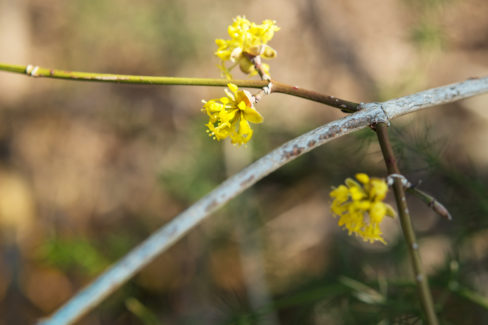
Cornelian cherries are usually total showstoppers in the early spring, known for their long-lasting and vibrant blooms. But every now and then, you might find your shrub looking a little bare or refusing to flower at all. If you’re wondering why your garden’s early-season star is acting shy, here’s the lowdown on what might be going wrong and how to fix it.
Potential Reasons Your Cornelian Cherry Isn’t Blooming
Normally, the Cornelian cherry kicks off the spring season with a massive burst of yellow flowers. If yours is putting on a lackluster show—or none at all—it usually boils down to one of these common culprits:
- It’s stuck in a spot that’s way too shady.
- You pruned it at the wrong time of year.
- The plant just isn’t at the right age yet.
Location, Location, Location
For the most part, Cornelian cherries aren’t divas. They are incredibly hardy and can handle various soil types and locations without much fuss. However, if you want that “wow” factor when it comes to blossoms, there’s one golden rule: the more sun, the better. While these shrubs can survive in partial shade or even full shade, they’ll often prioritize leaves over flowers in the dark. If your plant is hidden in the shadows, you might be waiting a long time for flowers that never show up.
The Pruning Trap
The great thing about Cornelian cherries is that they don’t actually need a regular trim. But if you do decide to tidy them up, timing is everything. You should always prune *after* the flowering season, never before. If you go in with the shears before the blooms arrive, you’re likely cutting off the very buds that were supposed to flower. This results in a green but flowerless shrub for the rest of the year. Stick to cutting back old, woody branches only once the spring show has finished.
Age Matters
Sometimes, the issue is simply a matter of time. If you’ve got a young plant, don’t panic! It’s perfectly normal for them to take three to five years before they’re mature enough to start flowering. In this case, patience is your best gardening tool. On the flip side, very old shrubs can sometimes get “bloom fatigue” because they have too many ancient, woody stems. A radical rejuvenation prune can help stimulate fresh growth and new flowers, but keep in mind that it might take a season or two for the plant to bounce back and start blooming again.