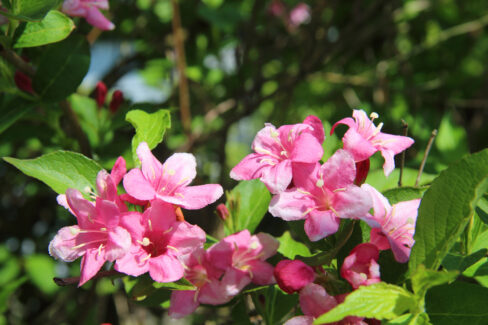
Weigelas are known for being tough, low-maintenance additions to any backyard. Once they’re fully grown, most varieties are quite hardy and can handle a typical winter without much fuss. However, there are a few situations where your shrubs might need a little extra TLC to keep their roots from freezing.
When is a Weigela actually winter-hardy?
Generally, a Weigela is considered winter-hardy once it’s a bit older and well-established in its spot in your garden. These ornamental shrubs have had time to adapt to the changing seasons. That said, if temperatures take a massive nose-dive, even an old pro might need some help. You should definitely provide extra protection if you’re dealing with:
- Freshly transplanted or very young shrubs
- New cuttings or seedlings from propagation
- Plants growing in containers
How do you protect young or newly moved Weigelas from frost?
If you’ve got a young shrub or one you just moved this past fall, you’ll want to cover the ground around the base with mulch, brushwood, or landscape fleece. For an extra layer of safety, you can wrap the branches themselves in garden fleece. If you’re currently propagating your Weigela from cuttings or seeds, it’s best to bring those indoors before the first frost hits.
What kind of winter protection do potted Weigelas need?
Container-grown plants are always more sensitive to the cold because their roots aren’t insulated by the ground. If you can, move your pots inside for the winter—a garage, basement, or a sheltered greenhouse works great.
If moving them indoors isn’t an option, wrap the shrub in garden fleece and mulch the top of the soil. You should also wrap the pot itself in a heavy blanket or burlap and lift it off the cold ground by placing it on a wooden pallet or a piece of Styrofoam.
How do you care for a Weigela during the winter?
Believe it or not, the biggest risk to your plants in the winter isn’t usually the frost—it’s dehydration! Plants can actually “thirst to death” when the ground is frozen. Make sure to give your Weigelas a moderate amount of water on mild, frost-free days so the water can actually soak in. Just be sure to skip the fertilizer until spring; they don’t need the extra nutrients while they’re dormant.