Hokkaido pumpkins are a total garden win—they’re low in calories, packed with Vitamin C, and incredibly versatile in the kitchen. But if you’ve ever grown one, you know they can turn into absolute garden monsters! If your plant is starting to take over your entire yard, it’s time for a little haircut. Here’s everything you need to know about keeping your Hokkaido in check.
Getting Started
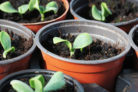
Like most squash, Hokkaidos are sun-lovers and shouldn’t hit the soil until mid-May, once the threat of frost has passed. Because they need about 20 to 30 square feet to spread out, giving them their own dedicated bed is your best bet. You can plant sweet corn along the edges, but keep in mind that Hokkaido vines can reach up to 30 feet long! They won’t hesitate to use your corn stalks as a personal jungle gym.
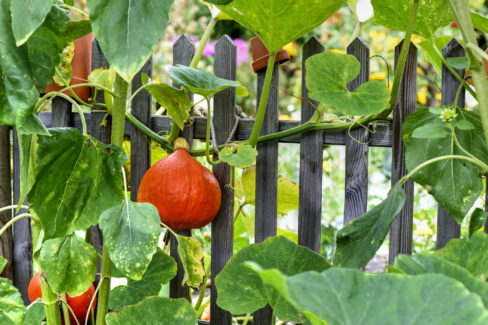
Actually, you can use that climbing habit to your advantage. Try planting your Hokkaido next to a sturdy tree or large shrub. It’ll climb right up, which not only looks cool but also keeps the fruit safe from hungry slugs and ground rot.
Summer Pruning Tips
Pruning for Airflow
If you’re dealing with a particularly humid summer, thinning out your plant is a smart move. Pick a sunny day to snip away any diseased or damaged leaves. This lets more sunlight reach the pumpkins so they ripen faster, and it gets rid of the damp, shady spots where slugs love to hide.
Pro Tip: When watering, try to keep the leaves dry. Aim for the base of the plant in the morning so everything has time to dry out before the sun goes down.
Managing Disease
If you spot that tell-tale white powdery mildew or any signs of mold, act fast. Remove the affected leaves and fruit immediately to help stop the spread and keep the rest of your harvest healthy.
Taming the Beast
If your Hokkaido is simply getting too big for its britches, don’t be afraid to trim back the vines. Identify the runners that are invading your walkways or neighboring beds and snip them off with a sharp knife. Just be careful not to accidentally cut off too many developing pumpkins! Sometimes, you don’t even need to cut—you can often just gently redirect the vines back into their own space.
Harvesting Your Crop
Usually, Hokkaido harvest season kicks off in late August. You’ll want to have all your pumpkins tucked away safely before the first frost hits in October.
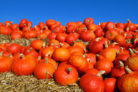
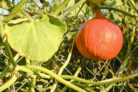
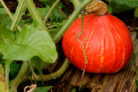
You’ll know your red Hokkaidos are ready to pick when they turn a deep, vibrant orange-red. Another great sign? Check the stem. It will change from green to a woody yellow-brown. Use a sharp knife to cut the fruit, leaving about half an inch of stem attached. Be careful not to nick the pumpkin itself, as any damage can lead to rot during storage.
Storage
If you harvest your Hokkaidos at peak ripeness in October, they can actually last until February! Just make sure to store them in a spot that is cool, dry, and—most importantly—frost-free.