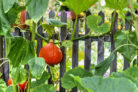
Pumpkins and winter squash have been a staple in European gardens since the 19th century, but here in the States, we’ve practically turned them into a lifestyle! If you’re looking to grow your own, you can start sowing seeds or transplanting seedlings outdoors starting in mid-May. By mid-August, the harvest season for these beauties finally kicks off. Here’s everything you need to know to get a head start.
The Season
In many places, you’ll see Hokkaido squash (also known as Red Kuri) popping up in stores as early as mid-summer, but those are usually shipped in from warmer climates like Spain or Mexico.
The local harvest usually hits its stride in August. You can typically find locally grown squash through the end of February. After that, most of what you’ll find at the grocery store has taken a long trip from Central America to get to your plate.
Growing Your Own
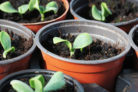
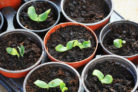
Early May is the perfect time to start your seeds . Within about two weeks, you’ll see those first little leaves peeking through the soil. By then, the danger of a late-night frost—which these sensitive plants absolutely hate—should be behind us.
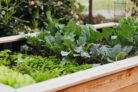
Keep in mind that all pumpkin and squash varieties love to spread out. Give them their own sunny spot in the garden where they can roam. Besides plenty of elbow room, these “heavy feeders” need lots of water and nutrient-rich soil to thrive.
How to Tell When Hokkaido is Ripe
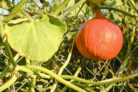
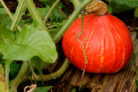
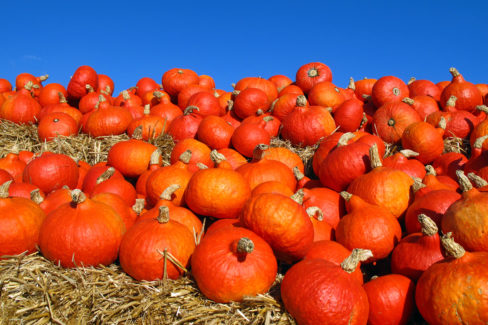
Hokkaido squash comes in red, orange, and even green varieties. The red-orange version is definitely the fan favorite, probably because that vibrant color looks so cheerful in the garden. If the weather plays along, your crop should be ready to pick starting in mid-August.
You’ll know it’s time to harvest when the skin develops a deep, rich orange-red hue. If you’re growing the green variety, look for the skin to turn a distinct blue-grey color.
Another pro tip: check the stem! It will change from a juicy green to a brownish-yellow color with a dry, cork-like texture.
Quick Tip: Always harvest your squash when it’s fully ripe. That’s the only way to get that signature rich, nutty flavor. If you pick a Hokkaido too early, it’ll end up tasting pretty bland.
Storage Secrets
If you want to keep the pumpkin vibes going all winter long, you’ve got to cure and store them properly. Here’s the game plan:
1. Use a sharp knife to cut the squash from the vine with a clean slice.
2. Gently wipe off any dirt or mud.
3. Let the fruit “cure” (dry out) for about two weeks. If the weather is nice, you can leave them right in the garden bed. If it’s rainy, bring them inside to a dry spot.
4. Store them in a dry place between 50-60°F (10-15°C). Lay them out on wood or cardboard, either individually or stacked very carefully.
5. If you store them like this, you’ll be able to enjoy your homegrown Hokkaido well into the winter months!