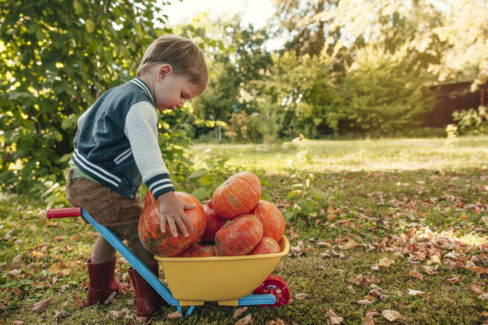
All squash varieties have one thing in common: they love to take over the garden! These heat-loving plants are a bit sensitive, so they shouldn’t head out into the garden until the danger of frost has passed in mid-May. If the weather plays along, you can start harvesting your first ripe Red Kuri (Hokkaido) squash as early as August. Here’s everything you need to know about when and how to bring in your harvest.
How can you tell if a Red Kuri squash is ripe?
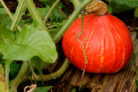
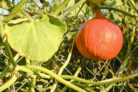
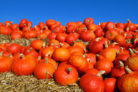
While most of us picture that classic vibrant orange, Red Kuri squash actually comes in both red and green varieties. During the peak ripening time in August , the red varieties will take on that signature deep orange-red hue, while the green types turn a cool gray-blue.
You’ll notice the skin getting very hard, but the real giveaway is the stem. It shifts from a juicy green to a woody yellow-brown, often covered in a fine, corky texture.
If you were to cut one open, you’d see the seed cavity is no longer firm; it becomes spongy and easy to scoop out. But since we want to check while it’s still on the vine, try the “knock test.” Give the squash a light tap—if it sounds hollow, it’s ready!
Always wait until your squash is fully ripe before harvesting. That’s the only way to get that delicious, signature nutty flavor. If you pick them too early, they tend to taste pretty bland.
The Harvest
1. Use a sharp knife to carefully cut the fruit away from the vine.
2. Be gentle with the rest of the plant so it can keep growing and producing.
3. Whatever you do, don’t nick or cut the skin of the squash itself, as this leads to rot during storage.
4. Give it a quick wipe-down, and your squash is ready for the kitchen or the pantry.
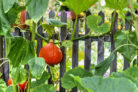
Early in the season, you might have to go on a bit of a treasure hunt! The massive leaves do a great job of hiding the fruit. Watch your step when walking through the patch so you don’t crush the vines.
Storage and Use
If you want to stretch out your squash season , proper storage is key. For squash you plan to keep through the winter, wait until late September to harvest. This ensures they are fully matured and have the best shelf life.
After harvesting and a quick cleaning, let the squash “cure” or dry for about two weeks before putting them away. It’s especially important for the stem to dry out completely, as that’s usually where rot starts.
The perfect winter home for your harvest is a frost-free garage, a cool basement, or even a chilly spare bedroom. You’re looking for a temperature between 50-60°F (10-15°C).
Handle them with care! Avoid any bumps or bruises during transport. Store your squash on wood, cardboard, or wood wool rather than a cold floor. If you treat them right, they’ll stay fresh and tasty all the way into February.
Pro Tip: If you don’t have a cool spot to store them, don’t worry—you can also freeze the flesh or even pickle it for a sweet and sour treat!