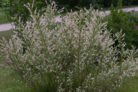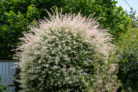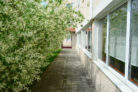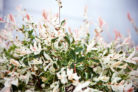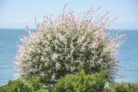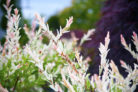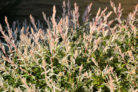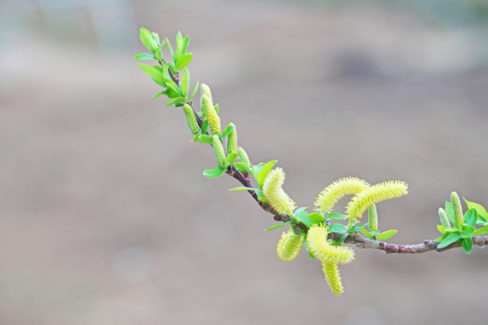
Dappled Willows (also known as Hakuro Nishiki) are famous for being low-maintenance and growing like crazy. So, if your tree is looking a little sluggish and isn’t leafing out like usual, it’s definitely a sign to pay attention. Luckily, it usually only takes a few simple tweaks to get these beautiful ornamental trees back on track. Here’s the lowdown on how to help your willow thrive.
What’s Behind the Slow Growth?
When spring rolls around and everything else is turning green but your Dappled Willow is still dormant, timing might be the culprit. If you pruned your tree too late in the fall, it might be struggling. While these willows are generally cold-hardy, fresh pruning cuts that haven’t fully healed are super sensitive to frost.
Another possibility? You might have recently transplanted your willow. If so, it’s totally normal for new growth to slow down. The tree is simply focusing all its energy on its root system to get established in its new home. Even though Dappled Willows aren’t particularly picky, you can help them settle in by making sure the soil is loose and packed with plenty of nutrients.
How to Kickstart New Growth
It might sound counterintuitive, but the best way to encourage new growth is to actually cut some away! A proper pruning session is like a shot of adrenaline for these trees. Even if you give it a pretty heavy haircut, the Dappled Willow is resilient and will usually bounce back stronger. If it still isn’t budding after a good trim, you might want to consider moving it to a better spot, boosting the fertilizer, or loosening up the soil at its current location.
Here’s how to prune for maximum growth:
- Prune your Dappled Willow in early spring on a day when there’s no frost.
- For standard (tree-form) willows, cut the branches back so about four inches (10 cm) remain.
- Use the spring for a hard prune and the summer for shaping it into a globe.
- If you decide to move the tree, be extra gentle with the root ball to avoid transplant shock.