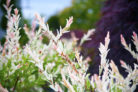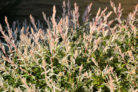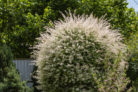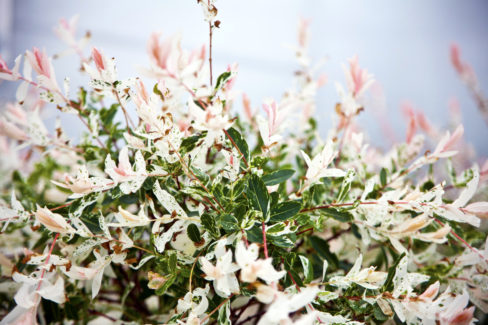
Dappled Willows (also known as Hakuro Nishiki) are generally low-maintenance beauties that don’t usually attract much trouble from pests. However, if your willow starts looking a little under the weather, you’ll want to act fast. Sometimes, what looks like a minor issue can actually be a serious disease trying to take hold.
Signs Your Dappled Willow is Struggling
If you notice the leaves curling, turning brown, or the tips of the branches starting to wither away, your plant is sending out an SOS. If you’ve already ruled out simple thirst or a bad planting spot, there are two likely culprits left.
Weakened plants are often targets for specific fungal infections. these fungi sneak into the wood through damaged areas and can actually start a rot process from the inside out. If left untreated, the plant will slowly die off branch by branch. There are two common fungal diseases that love to pick on Dappled Willows:
Keep an eye out for these:
- Willow Anthracnose
- Willow Rust
With these fungal issues, you’ll often see spores gathering on the undersides of the leaves—look for tiny yellow dots. On the top side, you’ll see rust-colored brown spots that start small but quickly spread. If you see these signals, it’s time to jump into action!
How to Treat an Infected Plant
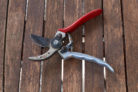
If fungus has moved in, you need to prune away every single part of the plant that shows symptoms. In most cases, I recommend a hard prune. This means cutting the willow back to just a few inches above the ground. Don’t panic! A healthy Dappled Willow is incredibly resilient and will bounce back with fresh, vigorous growth if it’s cared for properly.
You can also find fungicides at your local garden center to help the recovery process. Even after a hard prune, treating the remaining stumps with a fungicide is a good idea to kill off any lingering spores and prevent them from re-entering the fresh cuts. Just remember: use these chemicals sparingly and only when necessary. You don’t want to spray them constantly, as the residues can build up on the plant and in your garden’s soil.
One final pro-tip: Never put those diseased branches in your compost pile! A compost bin is basically a 5-star hotel for fungi, providing the perfect environment for them to multiply. If you use that compost later, you’ll just be spreading the disease all over your garden. Instead, burn the clippings (if your local laws allow) or seal them up in yard waste bags to be hauled away.