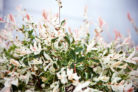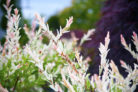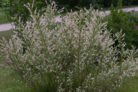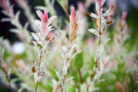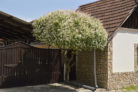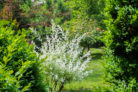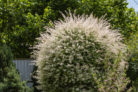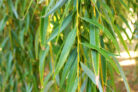
Generally speaking, the Dappled Willow (Hakuro Nishiki) is a low-maintenance and incredibly hardy addition to any garden. However, even the toughest plants have their enemies. There are a few pests that can really give this willow a hard time if you aren’t careful. Here’s what you need to look out for and how to handle an infestation like a pro.
How to Spot Trouble Early
Keep a close eye on those beautiful variegated leaves! Their condition is the best “health report” for your tree. Are the leaves turning brown, or are they suddenly curling up? Maybe you’re noticing several branches drying out at once? If so, something is definitely up. Your first move should be to check your care routine—too much or too little water can often cause these symptoms. But if your watering game is on point, you’re likely dealing with a pest problem.
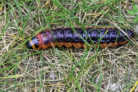
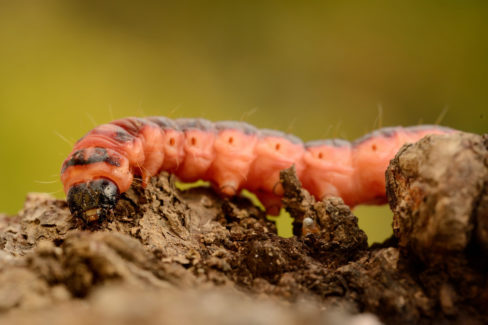
The main culprit to watch out for is the Goat Moth (often called the Willow Borer). You’ll recognize an infestation by the browning foliage, but the real giveaway is the small feeding marks or holes on the branches. These pests literally make themselves at home inside the wood, living as parasites. You might even spot the larvae on the leaves or near the trunk—they can grow up to 4 inches long! If you see these signs, don’t wait. If left unchecked, these borers can take down the entire tree bit by bit.
Quick Tips for Success:
- Inspect any branches showing brown leaves immediately.
- Regularly prune away any sickly-looking parts of the plant.
- Consistent pruning keeps your Dappled Willow in great shape and reduces the “real estate” available for pests to move in.
Taking the Fight to the Willow Borer
To get rid of the Willow Borer, you have to be firm and reclaim your tree’s space. This usually means a radical pruning session is in order. Inspect the entire plant and cut back dead branches and infested shoots completely. If you’re unsure about a specific spot, it’s better to be safe and cut a little extra rather than leaving a potential hiding spot behind.
Once you’ve finished pruning, don’t just toss the clippings aside. You should burn the infested material or seal it tightly in a bag for proper disposal. Whatever you do, keep it away from your compost pile! A compost heap is like a luxury hotel for borers, where they’ll multiply and eventually spread to the rest of your garden. Stopping them in their tracks is the best way to keep your backyard sanctuary healthy.