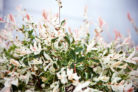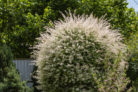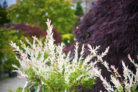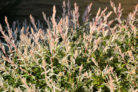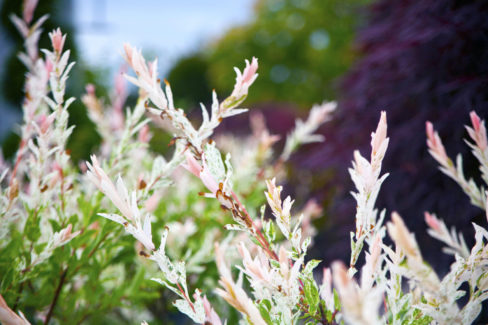
If you notice the beautiful foliage on your Dappled Willow (Harlequin Willow) turning brown while the rest of your garden is still looking lush and green, it’s definitely time to take a closer look. Usually, this is a major red flag that a fungus has moved in. Here is how you can spot the problem and, more importantly, how to fix it.
Typical Symptoms of a Fungal Infection
The leaves are basically the “health monitor” for your entire plant. Whether it’s a pest problem or a fungal infection, your Dappled Willow will send out clear distress signals through its foliage. If you’re seeing more than just a few brown leaves, get up close and personal with your tree. Check both the leaves and the branches carefully.
Fungal infections usually happen in stages. First, the leaves turn brown and drop off. Next, the shoots and branches in those affected areas start to wither and die back. Some fungi are actually pretty easy to spot early on. These willows are often hit by a specific fungus called *Cronartium ribicola* (rust fungus), which has some very distinct early warning signs:
Keep an eye out for these *Cronartium ribicola* symptoms:
- Tiny red dots on the undersides of the leaves
- Yellow spots on the upper surface of the leaves
How to Treat the Problem
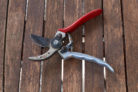
If your willow has a fungal infection, you have to be decisive: every single affected part of the plant needs to go. To stop the spread, I usually recommend a radical pruning. This means cutting the plant back to just a few inches above the ground. Don’t panic! As long as the remaining base is healthy and well-cared for, these willows are incredibly resilient and will sprout right back up. You can even give your willow a little “welcome back” boost with some fertilizer to help it regrow.
The most important rule, though, is how you dispose of those infected branches. Do not throw them on your compost pile! If you do, the fungus will just hang out there and eventually spread to the rest of your garden when you use that compost later. Instead, burn the trimmings (if allowed in your area) or seal them in yard waste bags to be hauled away.