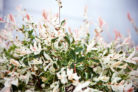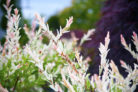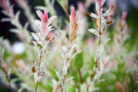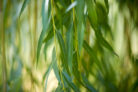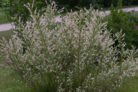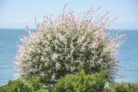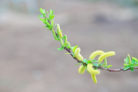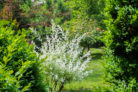
The leaves of your Dappled Willow (also known as the Hakuro Nishiki) are like a health report for the plant. That’s why I always recommend giving them a quick once-over every time you’re out in the garden. When your willow is rocking lush green foliage with those iconic pink and white tips, you’re golden. But what should you do if you notice the leaves starting to curl?
Usually, it comes down to one of these four culprits:
- Watering woes
- Location issues
- Unwanted pests
- Natural life cycles
Troubleshooting Care and Maintenance
Normally, a Dappled Willow is a real showstopper with a full head of leaves. It’s not a particularly “diva” plant, but if you see a large number of leaves curling, turning brown, or wilting, it’s a red flag. First, check your watering routine. These plants love consistency—they don’t want to be bone dry, but they don’t want to be swimming in a swamp either.
Second, curling leaves might be a sign that your willow isn’t loving its current spot. If it’s stuck in a high-heat area with punishing afternoon sun, the water might be evaporating faster than the roots can drink it up. A pro tip? Spread some mulch around the base. It acts like a blanket to keep the moisture in the soil where it belongs. Also, try to use “soft” water if you can. Rainwater is the gold standard here, as tap water can sometimes be a bit too alkaline for their liking.
On the flip side, watch out for “wet feet.” If the soil doesn’t drain well and water just sits there, it can lead to root rot. If your soil is heavy clay or stays soggy, you might need to improve the drainage or consider transplanting your willow to a better spot.
Pests and Natural Changes
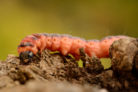
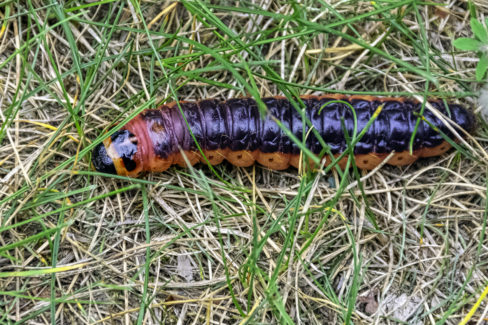
What if you’re doing everything right and the leaves are still curling? You might have some uninvited guests. The Willow Borer is a common culprit that can really stress out your plant. You can check out more about identifying and dealing with pests right here.
Finally, it might just be nature doing its thing. If you see curling leaves on older, woody branches, the plant might just be diverting its energy away from those tired limbs to fuel new, healthy growth. Giving your willow a good prune to remove dead wood will actually help it thrive. And of course, don’t forget that as fall approaches, it’s perfectly normal for the foliage to start looking a little less than perfect before it drops for the winter.