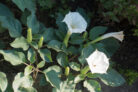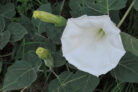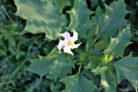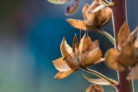
Jimsonweed (Stechapfel) produces gorgeous, trumpet-shaped flowers that look a lot like Angel’s Trumpets. However, don’t let the looks fool you—they are actually quite different, especially when it comes to their height and growth habits. Here’s a breakdown of everything you need to know about these striking blooms.
Form and Typical Characteristics
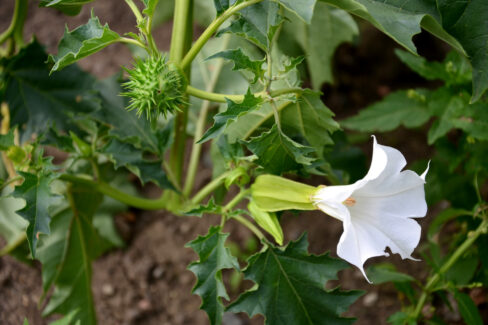
The flowers of the Jimsonweed have a beautiful, cylindrical shape. The tips of these “chalices” emerge from green stems, unfolding into an elegant flare. Unlike the towering Angel’s Trumpet, Jimsonweed stays much closer to the ground. After the flowers fade, the plant develops small, prickly seed pods. You can harvest these to propagate new plants yourself. Just a heads-up: if you don’t sow the seeds manually, the plant is a pro at self-seeding. It spreads very easily on its own, which can be a bit of a headache if you’re trying to keep a tidy garden!
You’ll usually find these flowers in:
- White
- Lavender
- Deep Violet
When Does Jimsonweed Bloom?
One of the best things about Jimsonweed is its impressively long blooming season. Depending on the weather, you can enjoy these flowers from July all the way into October. However, there’s a catch: you won’t see them in their full glory during the heat of the day. These blooms are “night owls” and typically only open as dusk falls. They are specifically designed to attract hawkmoths and other nocturnal insects that handle the pollination duties under the stars.
If you want a plant loaded with blossoms, make sure you plant it in the right spot. In the wrong location, the plant will grow much slower and produce fewer flowers. One final, important tip: always keep in mind that the fruits and seeds of this plant are toxic, so handle them with care!