Foxglove seeds might be tiny and easy to miss, but don’t let their size fool you! These little specks pack a serious punch when it comes to growth potential. Let’s dive into what makes these seeds so unique and what you need to know if you want them in your garden.
What Do Foxglove Seeds Look Like?
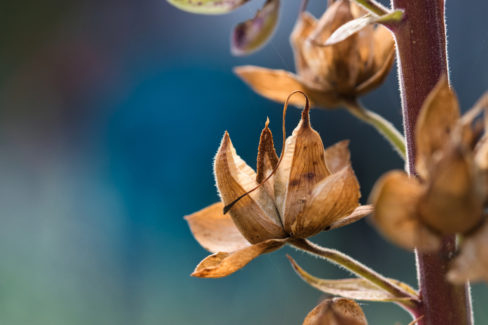
If you’re looking for foxglove seeds, you’re going to need a sharp eye. They are incredibly small—honestly, they’re hard to see with the naked eye! These seeds develop inside capsule-like fruits within the foxglove flowers. Once they’re ready to start the next generation, those capsules burst open and scatter the seeds everywhere.
Here’s a quick breakdown of their physical traits:
- Tiny size (usually less than 0.5 mm)
- Brownish color
- An elongated, slightly flat shape
While they all share these basic traits, no two seeds are exactly alike. Each one has its own little quirks in shape and size.
The Secret Strength of the Seeds
Despite being so small and lightweight, foxglove seeds are incredibly hardy and have a fantastic germination rate. They’re tough enough to spend the entire winter sitting right on the soil. Snow, ice, and freezing temperatures don’t bother them one bit! Once spring rolls around, they’re ready to wake up and sprout into brand-new plants.
The Ultimate Self-Seeder
One of the best things about foxglove is that it’s a pro at “self-sowing.” This means the plant does all the hard work for you. It lets the wind and local insects distribute its light seeds across your garden. You don’t have to lift a finger! Because of this, you’ll likely see new foxgloves popping up in your flower beds year after year.
Patience is Key: Seeds Appear in the Second Year
Since foxglove is a biennial/perennial plant, it follows its own schedule. It won’t produce flowers or seeds in its first year. It spends that time growing leaves and getting strong. By the second year, it finally blooms and develops those seed capsules. Once they ripen and burst, the cycle starts all over again.
How to Sow the Seeds Yourself
If you want to take control and plant them in a specific spot, you’ll need to sow the seeds yourself. You can do this directly in your garden beds or start them in pots. Within just a few weeks, you’ll see little seedlings starting to take shape.
Pro Tip: They Need Light to Grow!
Here is the most important thing to remember: foxglove seeds are “light germinators.” Unlike some seeds that need to be buried deep in the dark, these little guys need sunlight to wake up. When planting, just press them gently onto the surface of the soil or cover them with a very thin dusting of earth. If you bury them too deep, they’ll stay dormant and won’t sprout at all!