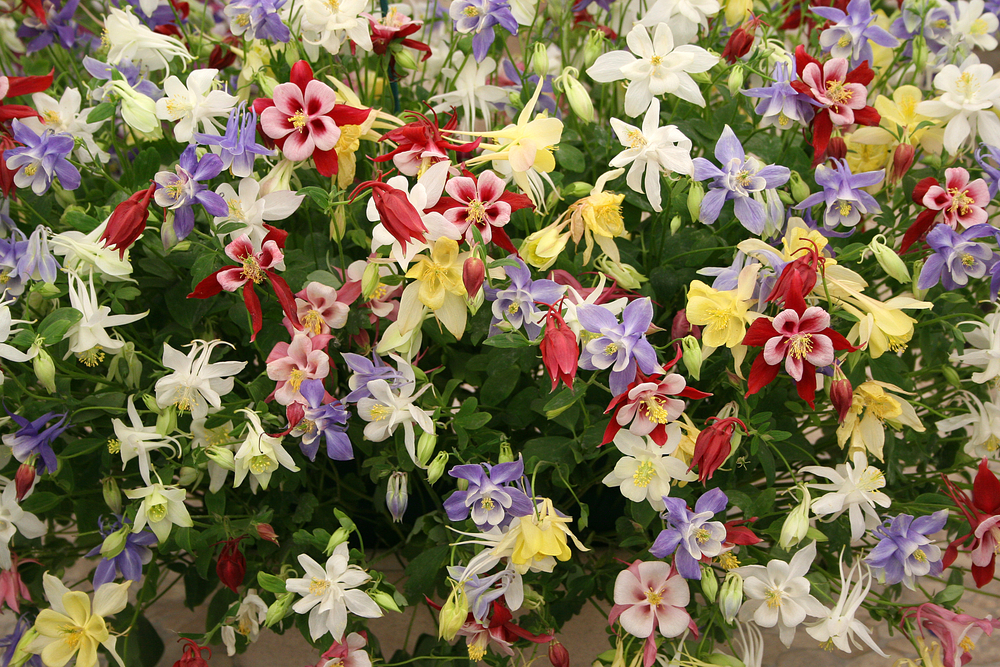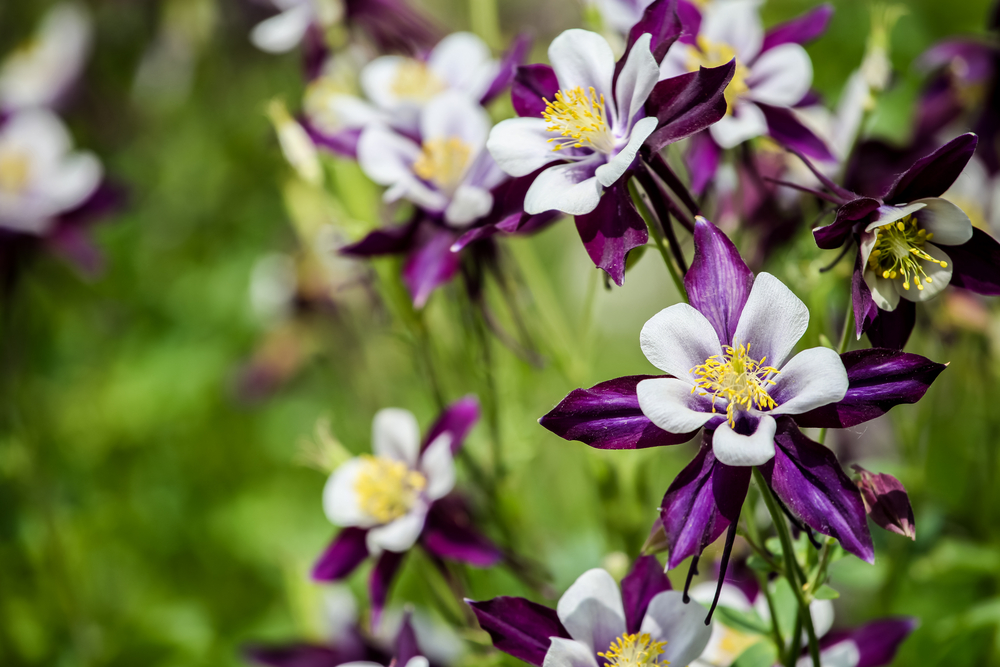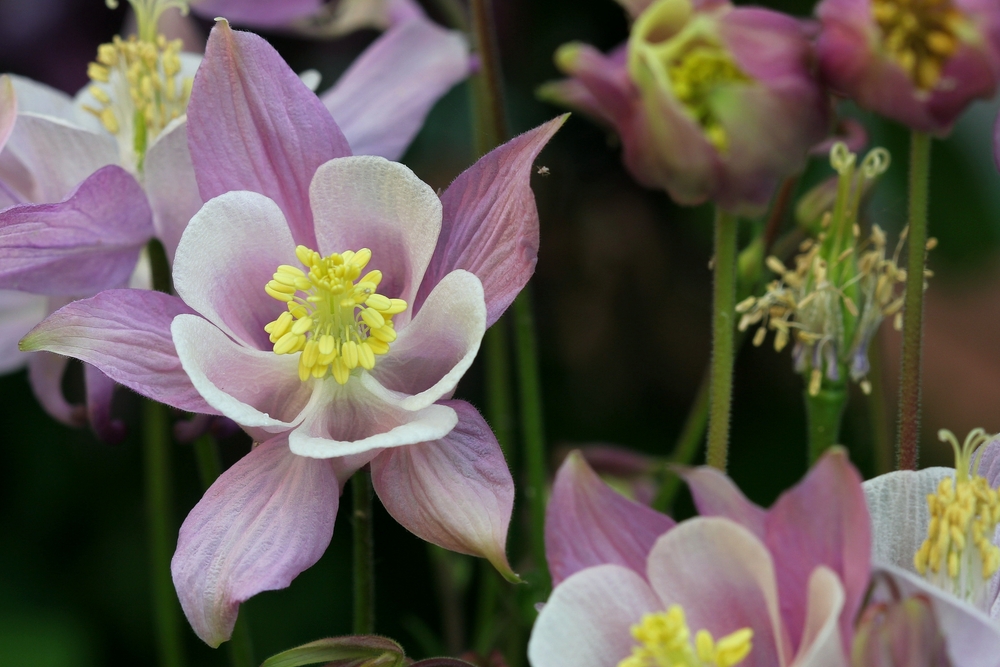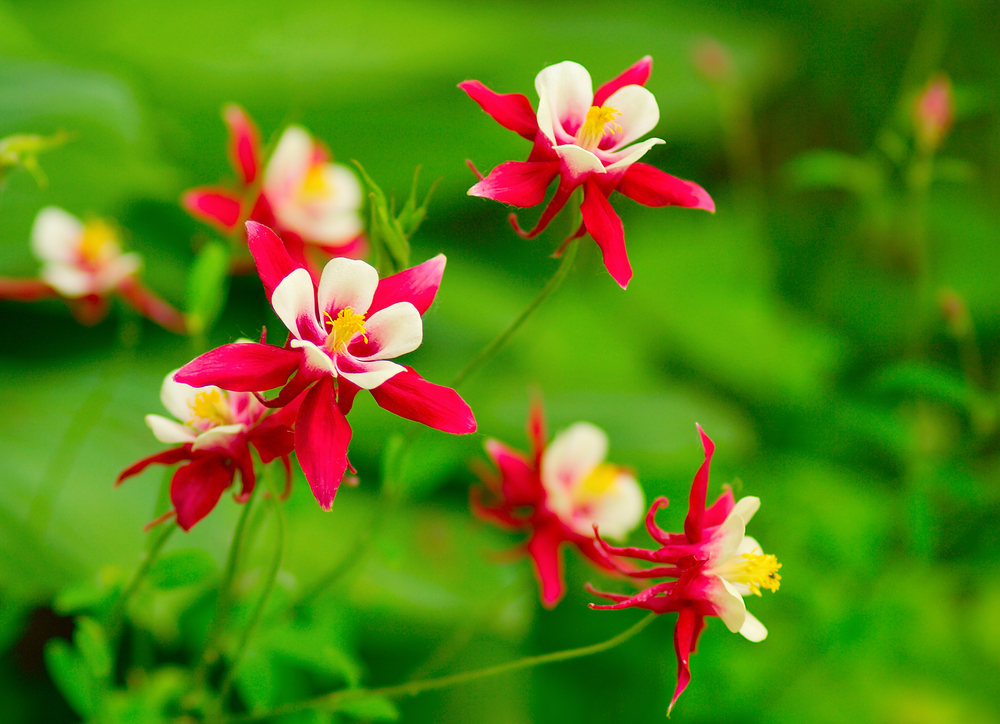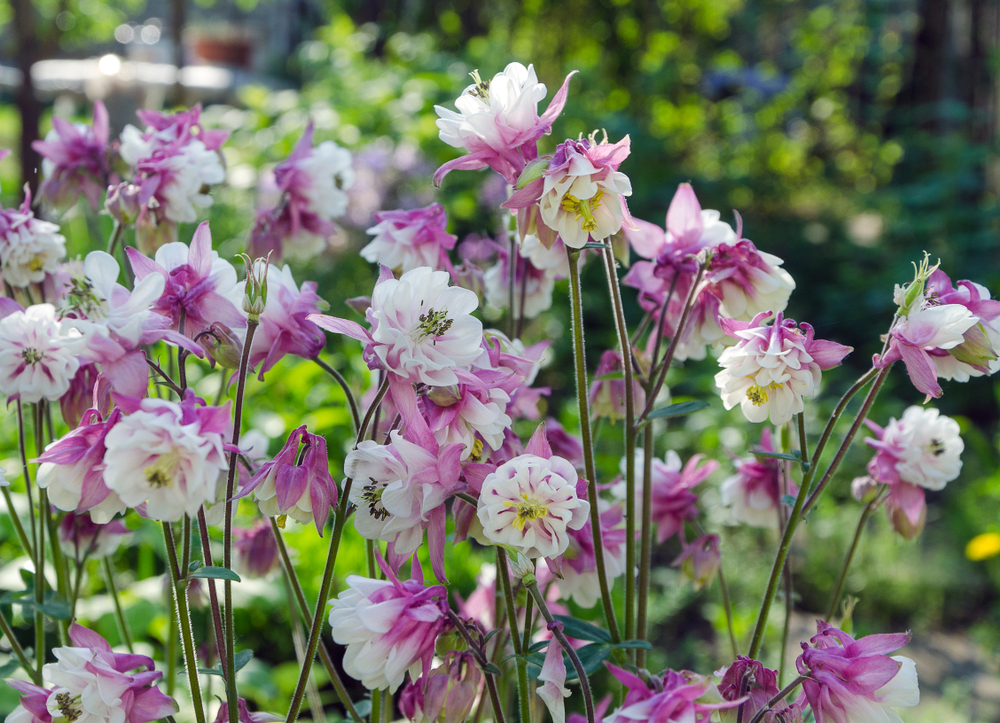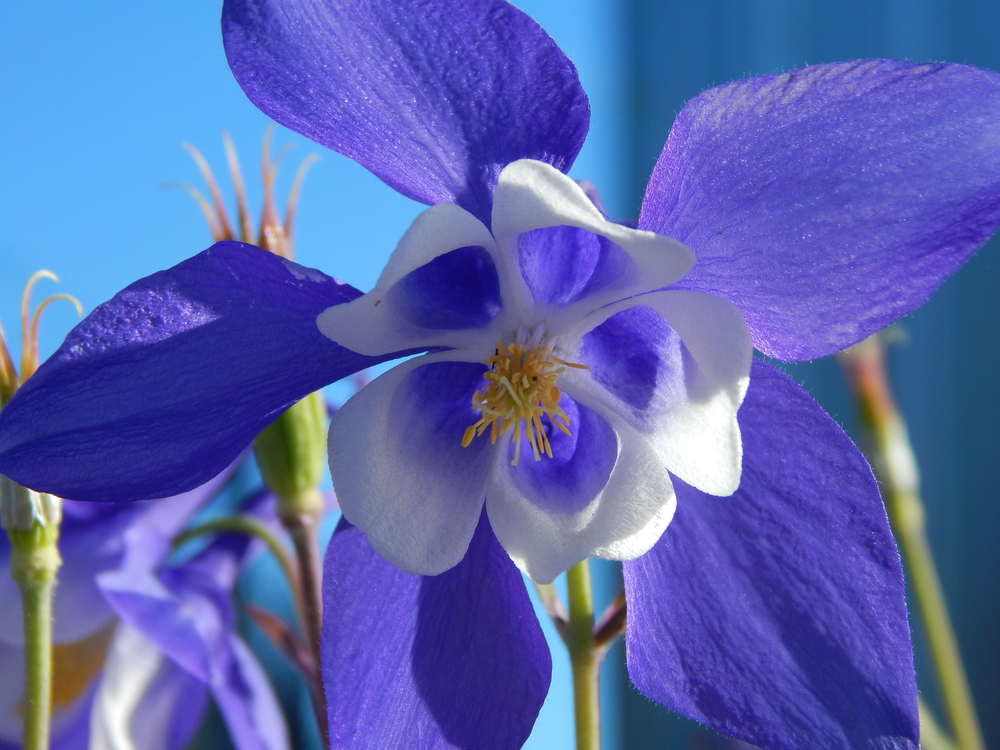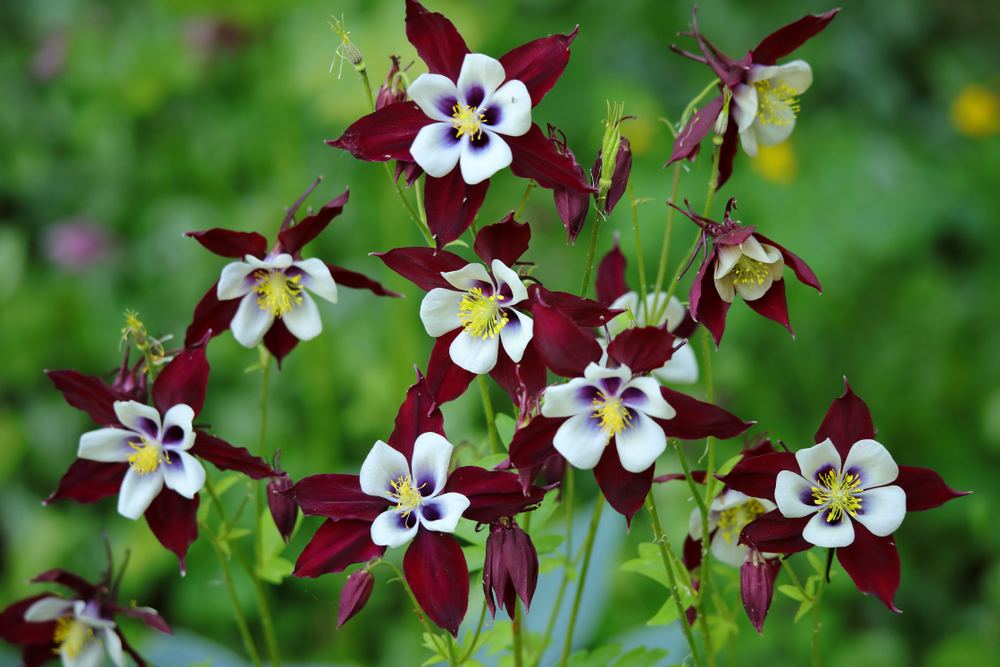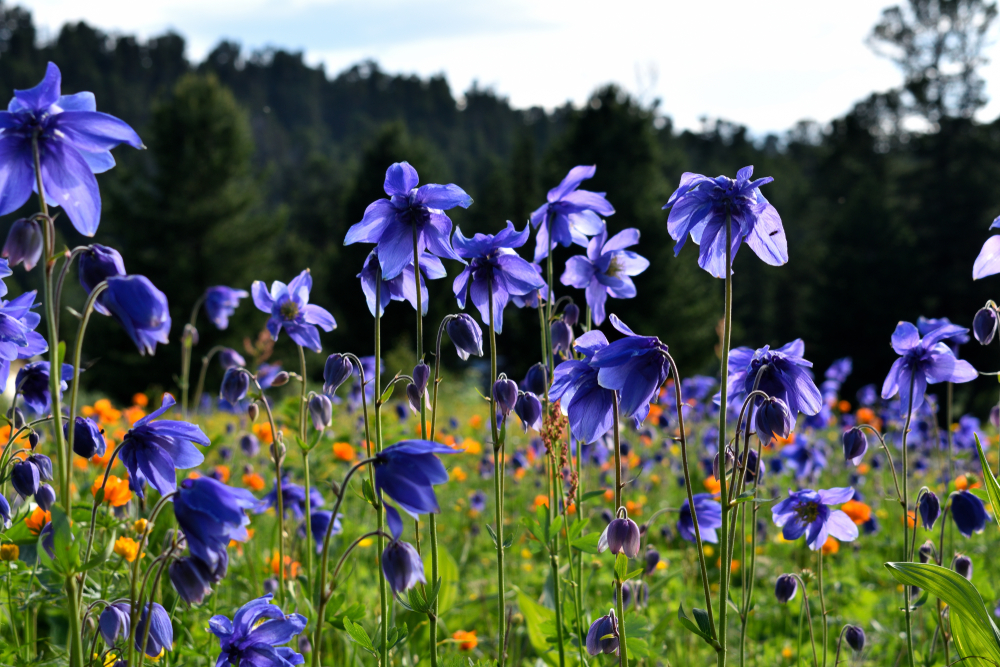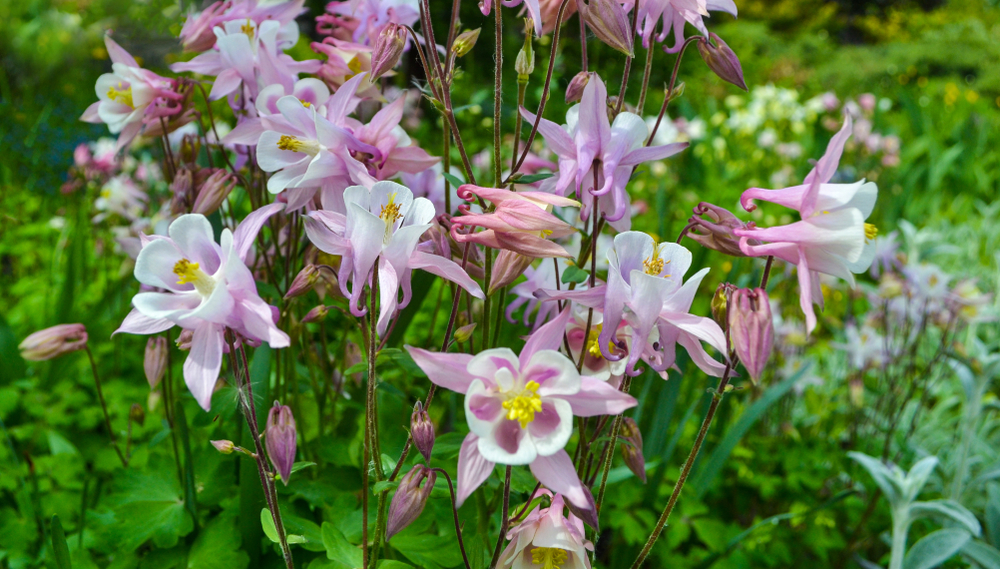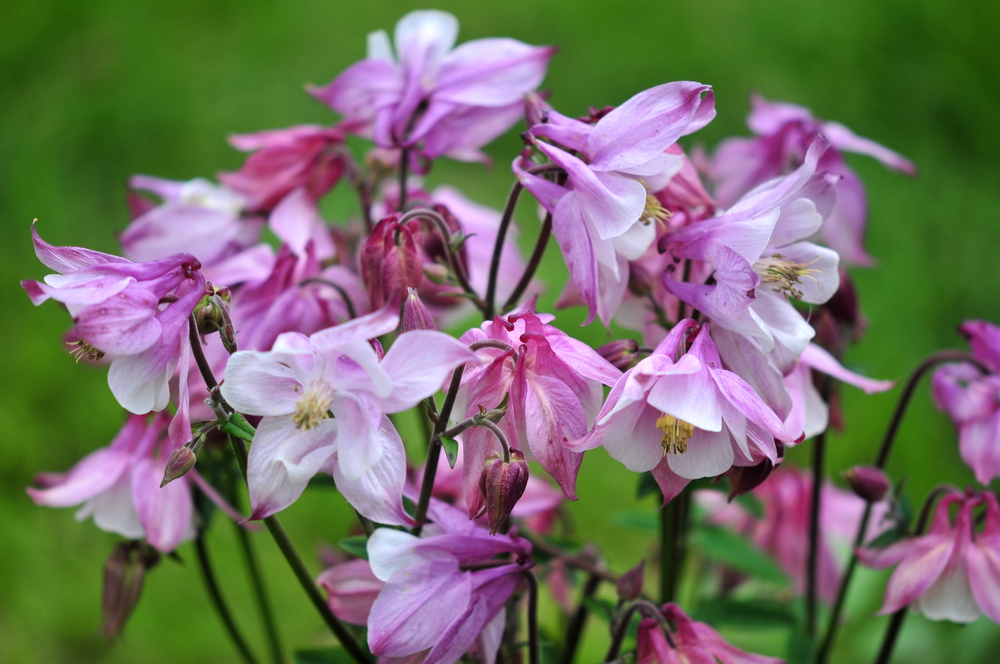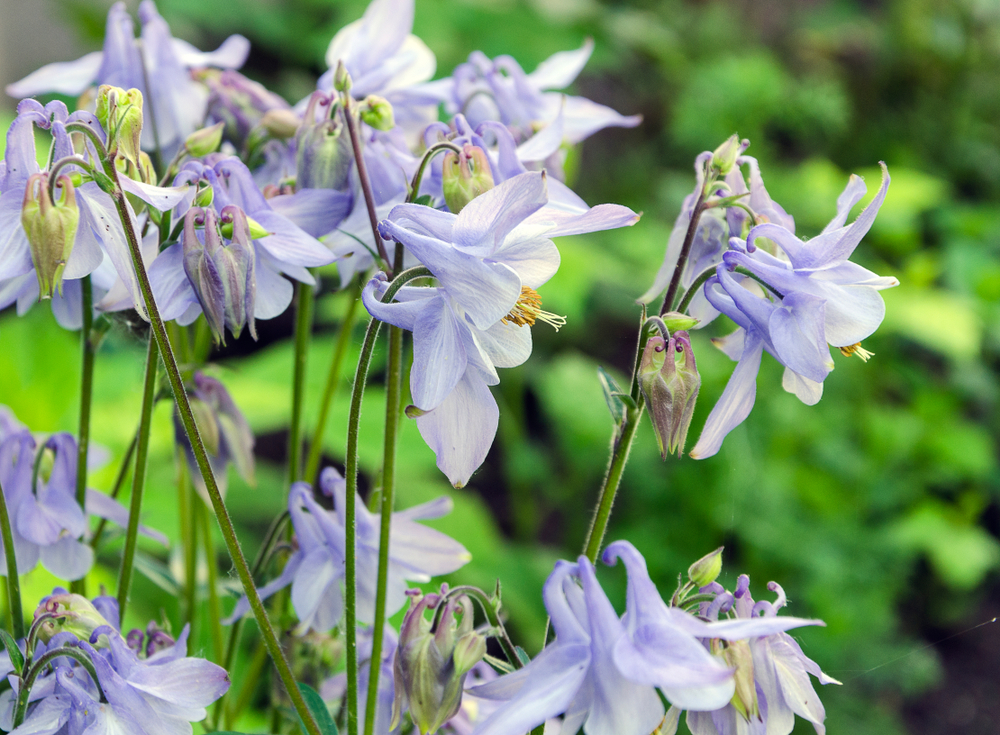
Columbines are charming, perennial favorites that bring a touch of magic to any garden. With over 70 species native to Europe, North Africa, and Asia, these hardy plants are famous for their delicate, almost otherworldly spurred flowers. They really shine in those tricky partial-shade spots and look absolutely stunning when paired with spring bulbs like tulips and daffodils. I also love seeing them planted alongside Bleeding Hearts or early daisies for a classic cottage garden vibe. But before you go tossing seeds in the dirt, there are a few things you should know about these unique beauties.
Fast Facts About Columbine
Columbine has been a garden staple since the Middle Ages, back when it was actually used as a medicinal herb. We don’t do that anymore (more on that in a second!), but we’ve learned a lot about how to keep these graceful perennials happy. Here’s the “cheat sheet” on what makes them tick:
- Origin: Native to Europe, North Africa, and Asia
- Plant Family: Part of the Ranunculaceae (Buttercup) family
- Fun Nicknames: Granny’s Bonnet, Elf Shoes, or Venus’s Chariot
- Height: Can reach up to 32 inches (80 cm)
- Growth Habit: Slender, upright stems
- Lifespan: Usually around 5 years
- Foliage: Pretty, mid-green compound leaves
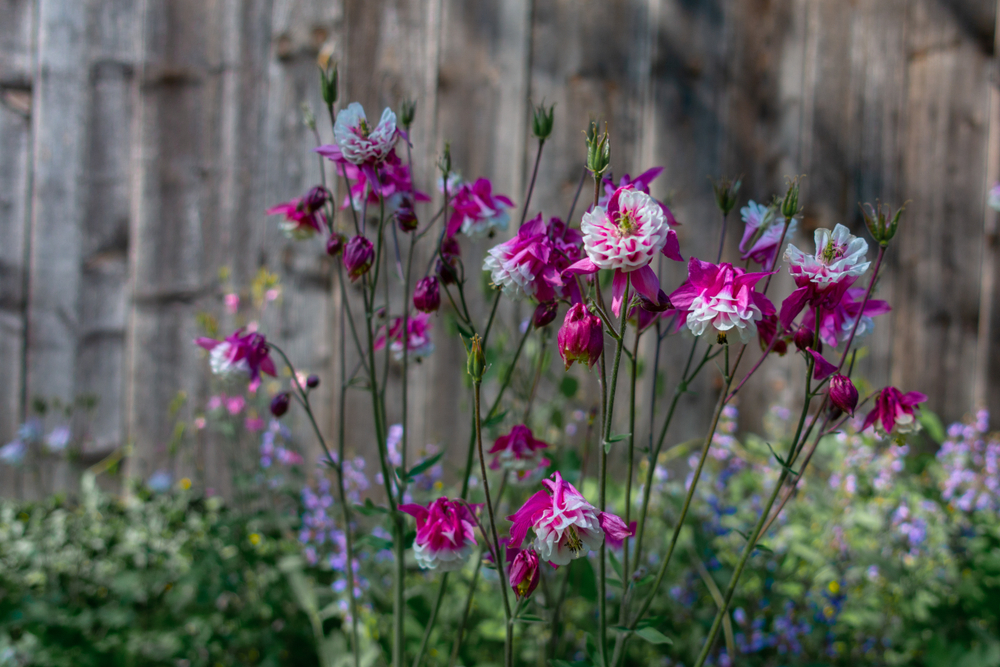
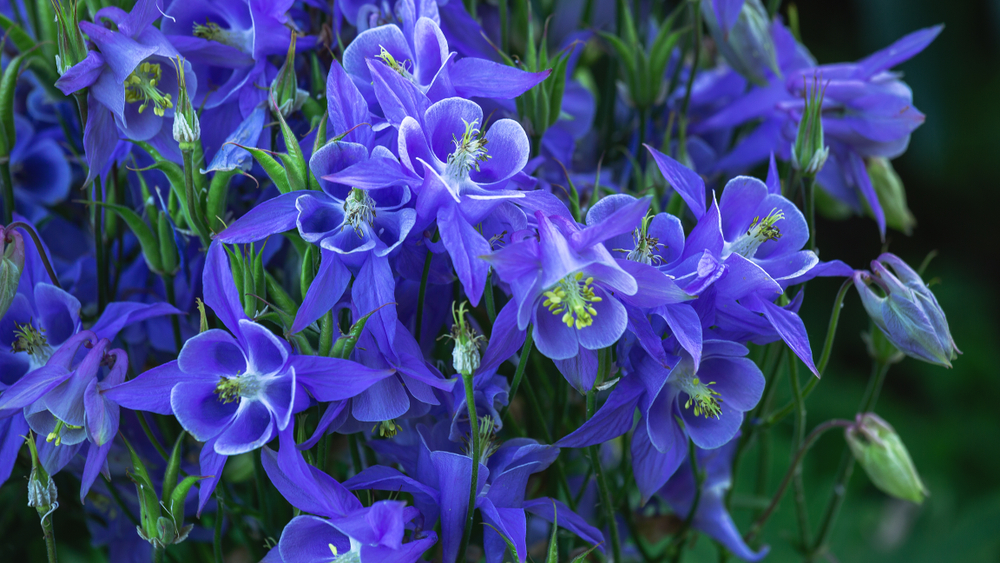
- Flowers: Unique nodding, spurred blooms (single or double) up to 3 inches wide
- Colors: A rainbow of white, yellow, red, and violet, including gorgeous bicolor varieties
- Bloom Time: May through July
- Seeds: Produces pods filled with small, shiny black seeds from July to August
- Light: Full sun to partial shade
- Soil: Prefers nutrient-rich, well-draining soil with a bit of lime
- Water: Likes moisture but hates “wet feet” (standing water)
- Propagation: Self-seeding, intentional sowing, or division
- Hardiness: Very cold-tolerant
- Maintenance: Low-maintenance and easy-going
- Safety Note: All parts of the plant are toxic
Tips for Growing and Caring for Columbine
One of the best things about Columbines is how little work they actually require. They’re perfectly happy in standard garden soil, especially if you mix in a little compost every now and then.
One thing to keep in mind: Columbines are prolific self-seeders. If you don’t want a backyard full of “volunteer” plants next year, make sure to deadhead the long stems right after the flowers fade. This stops the seed pods from developing. In the fall, you can cut the whole plant back to just above ground level. The plant will retreat into its rhizome for a long winter nap—and don’t worry, they are tough enough to handle deep freezes. Come spring, you’ll see those cute, round leaf buds poking through the soil, quickly growing back into a lush, compact mound.
A quick word of caution: whenever you’re pruning or handling your Columbines, be sure to wear your gardening gloves. Since the entire plant is toxic, the sap can cause skin irritation or a nasty rash if you aren’t careful. Stay safe while you garden!