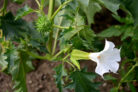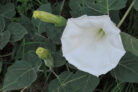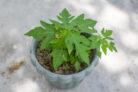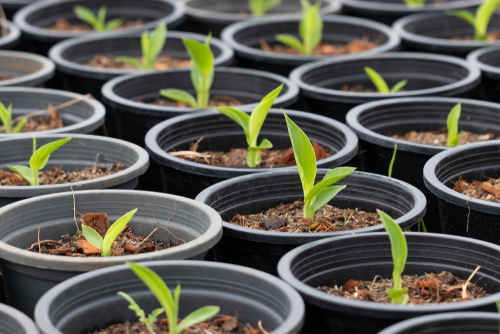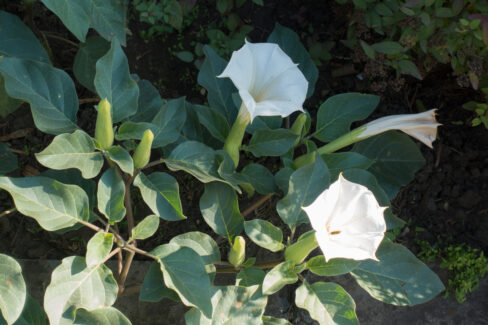
Propagating Datura (commonly known as Jimsonweed or Thorn Apple) is actually pretty easy! With a few simple tips on timing and placement, you can ensure your plant takes off quickly and rewards you with plenty of those iconic blooms. Here’s everything you need to know about when and how to get your Datura in the ground.
The Best Time to Plant Datura
If you want your Datura to thrive, spring is your best friend. Planting during the spring months allows the plant to ride that natural growth spurt and gives it plenty of warm weather to establish a solid root system before the season ends. Aim for a window between May and June—just make sure the threat of frost has completely passed before you head out to the garden.
A Quick Heads-Up Before You Plant:
- Keep in mind that all parts of the Datura plant, especially the fruits and seeds, are toxic.
- Even dried-out seeds contain dangerous alkaloids.
- Because of this, it’s best to avoid planting Datura in yards where small children or curious pets play.
Location is everything for this plant. You’ll want to pick a spot that gets plenty of full sun. While Datura can handle partial shade if necessary, it won’t grow nearly as fast. If it’s stuck in the shadow of larger plants that are hogging all the nutrients and water, it might fail to launch entirely. However, in the right spot, Datura is a champion at self-seeding and spreading on its own.
How to Care for Your Datura
For the most part, Datura is a low-maintenance addition to the garden. The main thing is to keep the soil nice and loose and ensure the roots stay consistently hydrated. Think “slow and steady”—it’s much better to water lightly and regularly than to flood the soil and then let it bone-dry. Young plants especially need that consistent moisture to get established, though older, mature plants are surprisingly drought-tolerant. Once your plant is full-grown, you’ll be treated to those stunning, trumpet-shaped flowers. Just remember: they’re night-bloomers, so they’ll save their best show for the evening hours!