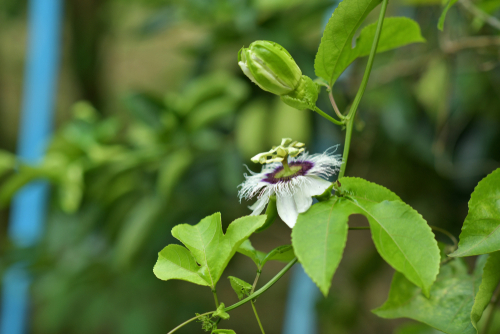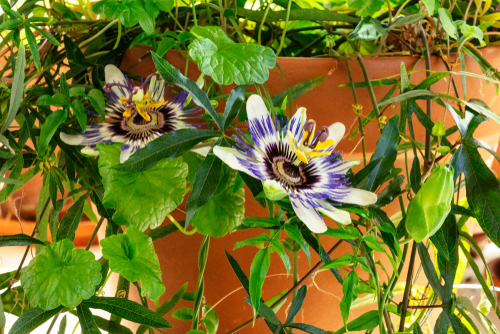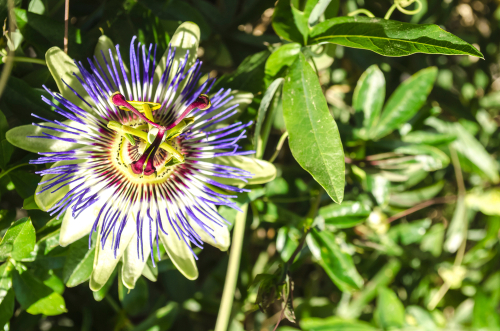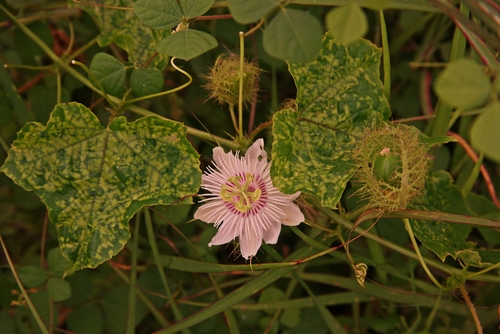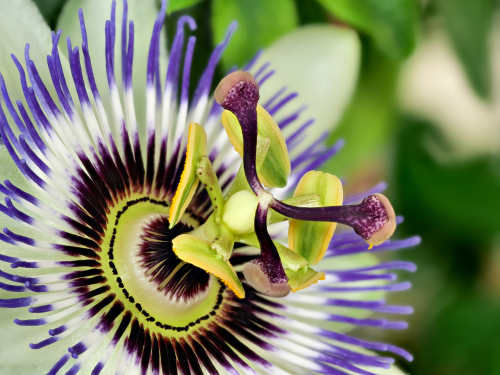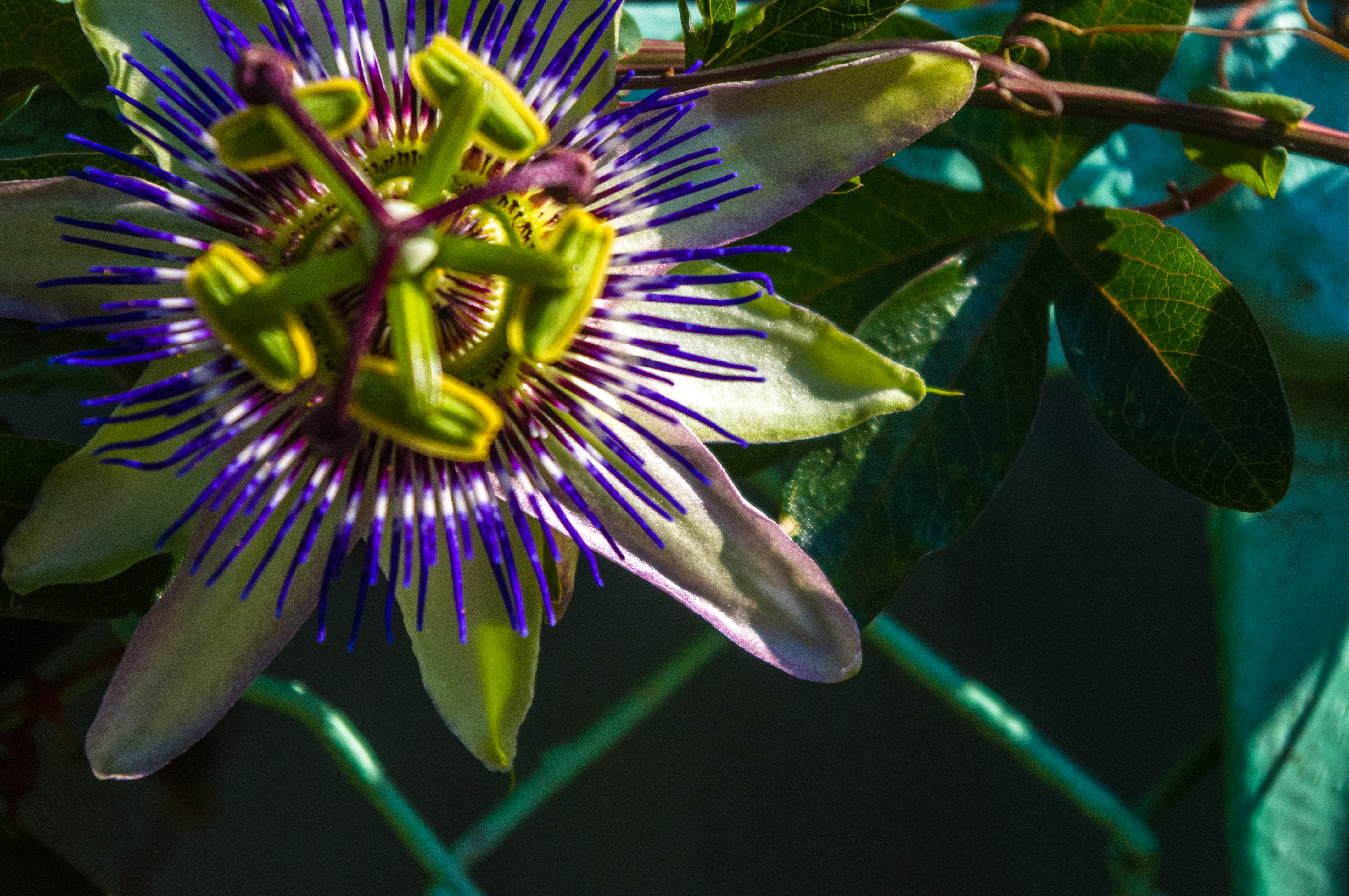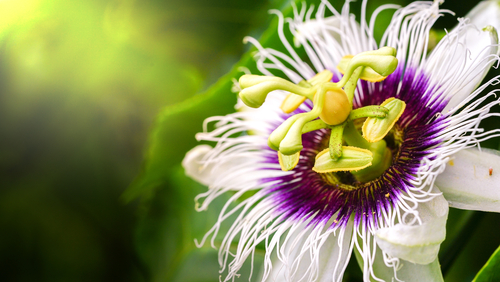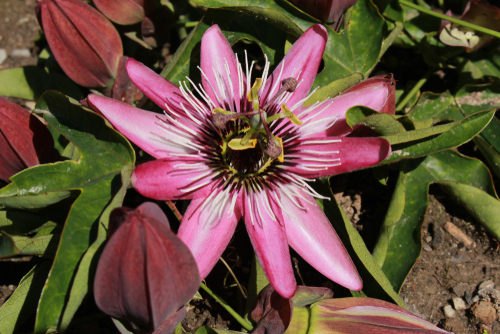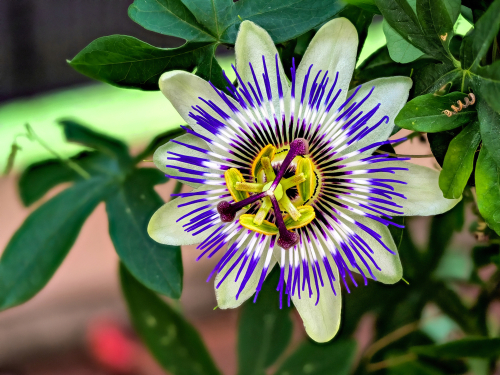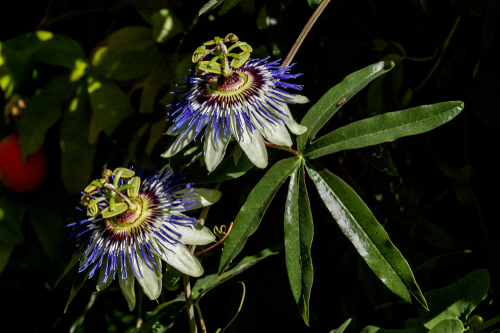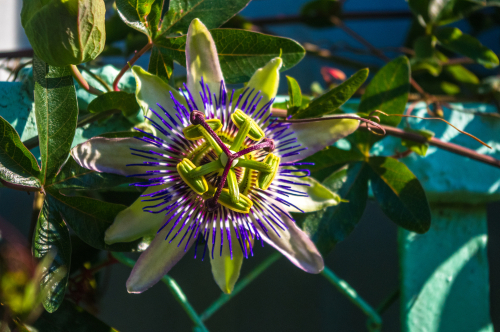
The passion flower isn’t just a stunning addition to your garden; it’s actually surprisingly low-maintenance! That said, getting the basics right during planting is key to making sure your *Passiflora* thrives on your patio or in your backyard.
A Tropical Beauty at Heart
The passion flower is a climbing vine with over 500 species, almost all of which hail from Central and South America. Because they’re used to that warm, tropical climate, you’ll want to pick a spot in your garden that gets plenty of sunshine. They also appreciate a little break from the wind, so a south-facing wall is usually the perfect “sweet spot” for them.
Give Them Room to Climb
A wall or a sturdy fence isn’t just great for warmth—it’s also practical. Since passion flowers are natural climbers, they’re going to need a trellis or support system to really take off. You can easily attach a wire system or a wooden lattice to a wall. If you’re planting them out in the open garden, just make sure you provide a freestanding metal or wooden frame for them to grab onto.
Getting Your Passion Flower in the Ground
If you’re starting from seeds rather than buying established nursery plants, keep your pots indoors on a sunny windowsill until late May. You’ll want to wait until the nights are consistently frost-free before moving them outside.
Whether you’re planting them in containers or directly in the ground, make sure the soil is loose and rich in nutrients. To keep those exotic blooms coming all summer long, I recommend fertilizing every one to two weeks. A standard liquid fertilizer mixed right into your watering can works wonders!