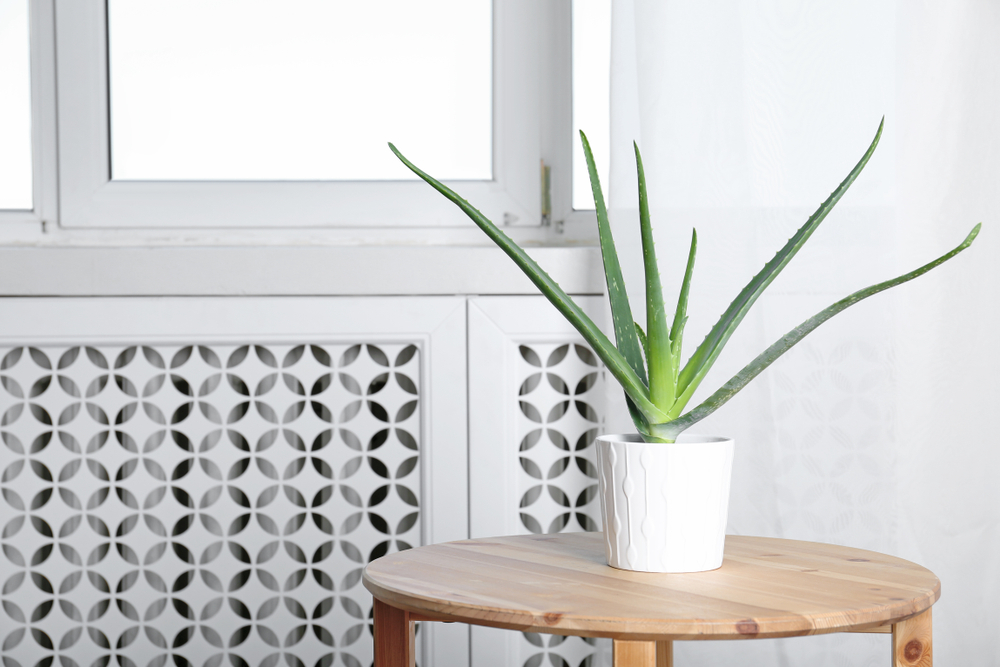
Aloe vera is a staple in most indoor plant collections, and for good reason! They are super low-maintenance and have that cool, architectural look that fits any decor. If you’re like me, you probably started with one and now want them in every room. For those of us who love to get our hands dirty, propagating your own baby Aloes is a fun and rewarding project.
Growing New Aloe via Offsets
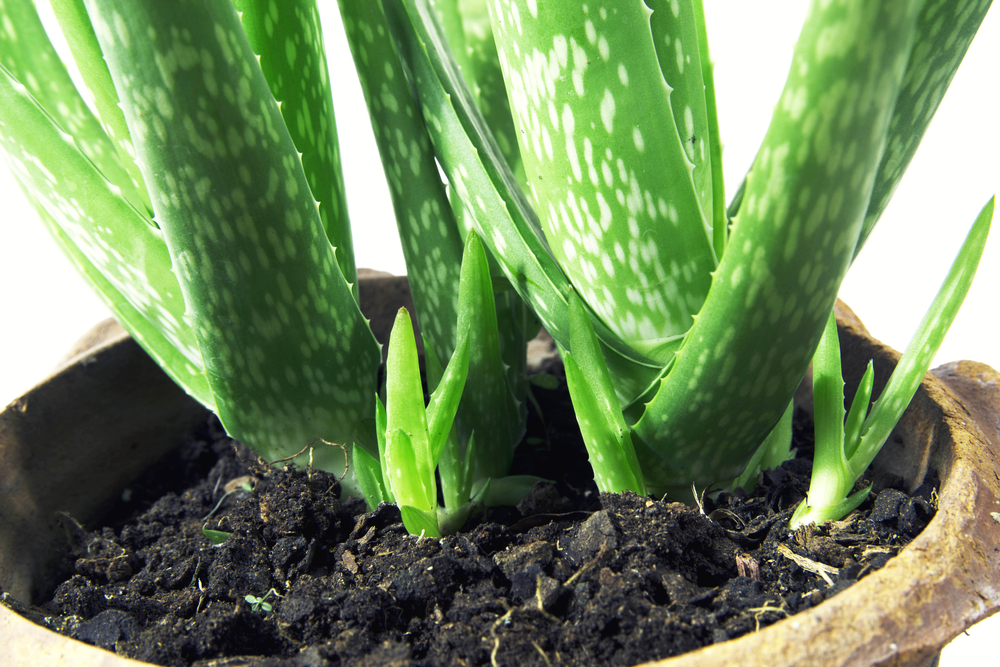
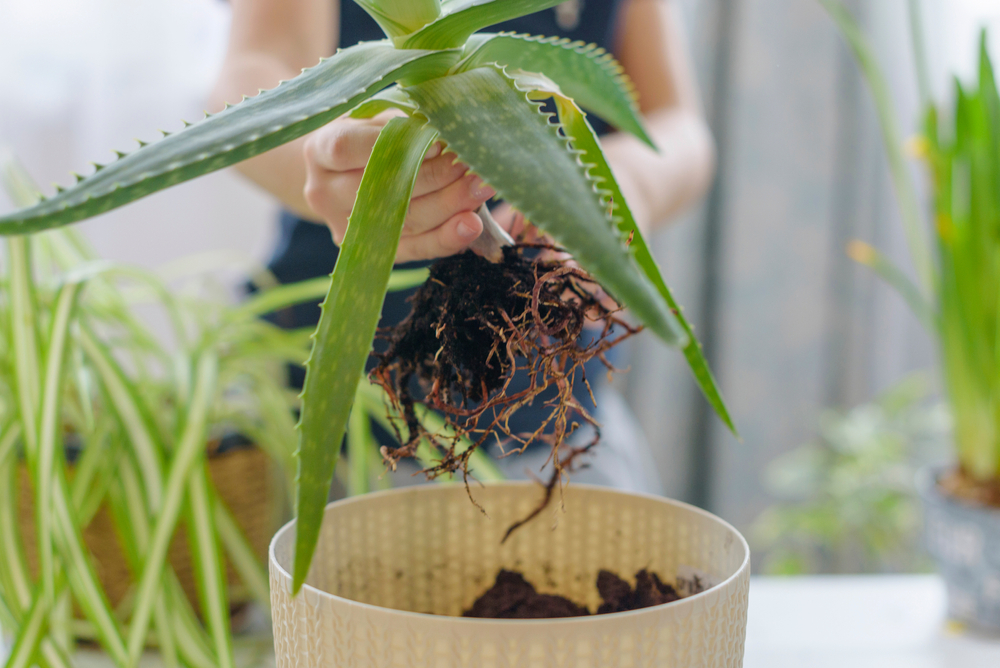
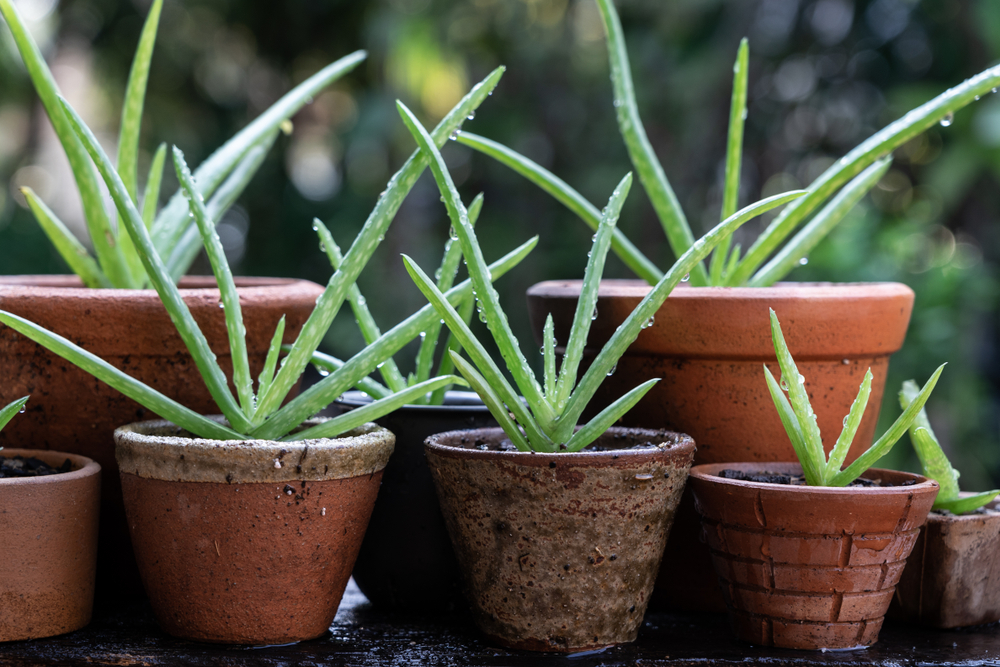
To get started with propagation, you’ll need a “mother plant” that’s at least three years old. That’s usually when she starts producing those cute little babies (also called “pups” or offsets) around the base of the stem. Once these pups are about 2 inches tall, it’s time to separate them. This actually helps the mother plant stay strong by focusing her energy on herself rather than her offspring. Here’s how you do it:
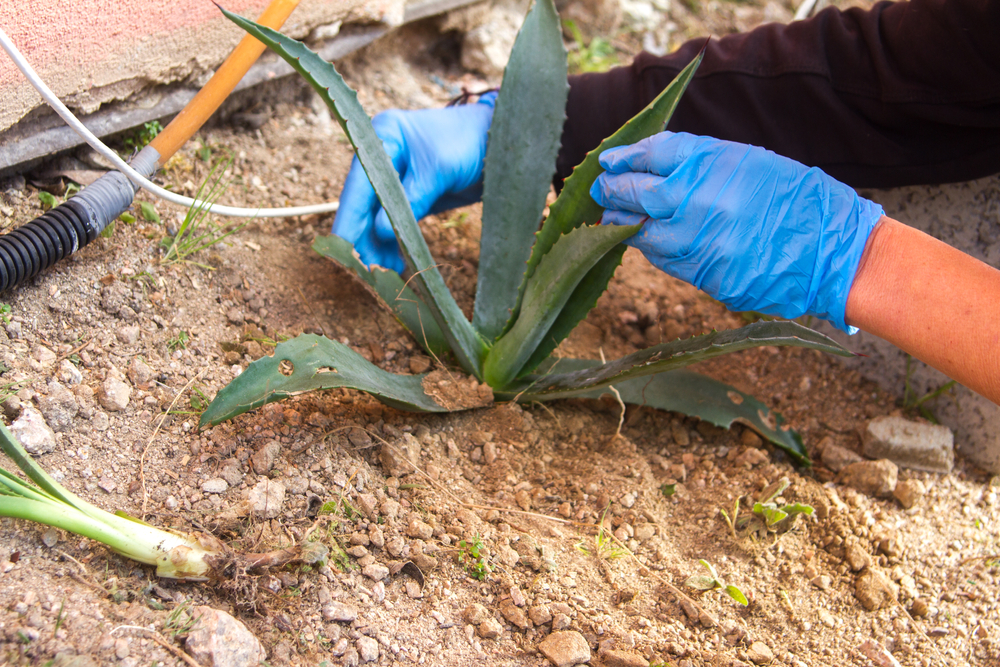
- Use a clean, sharp knife to carefully cut the pups away from the main stem. Make sure your tool is sterilized first—this prevents any fungi or nasty germs from infecting the mother plant.
- Lay the pups out on a paper towel for a few days. You want the cut end to “callous” over; this prevents rot once they hit the soil.
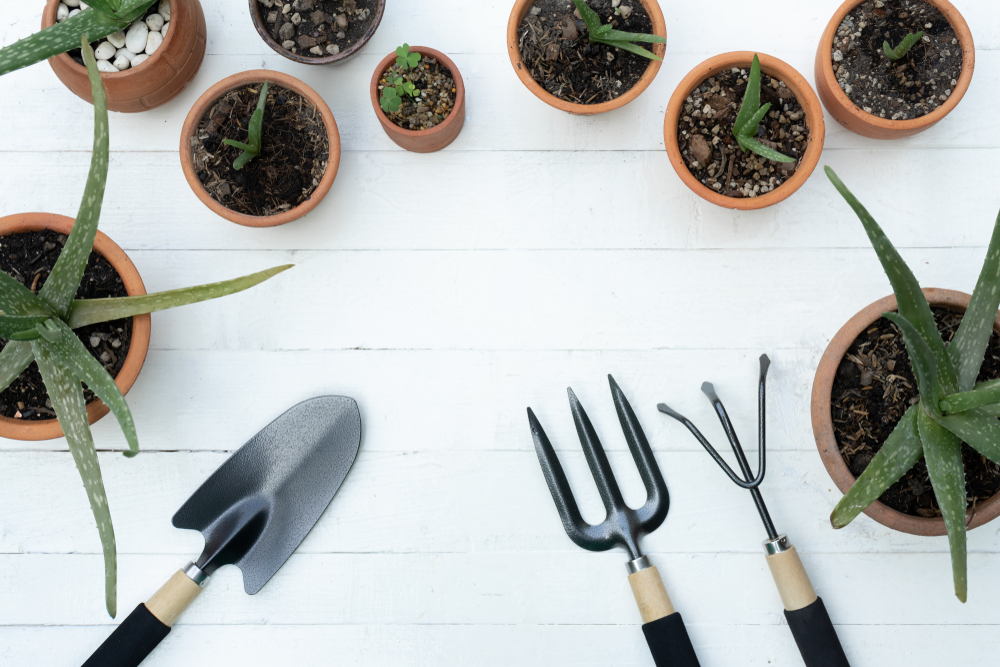
- While you wait, get your new pots ready.
- Add a layer of clay pebbles or gravel at the bottom of each pot for drainage. Aloe hates “wet feet,” so good drainage is key!
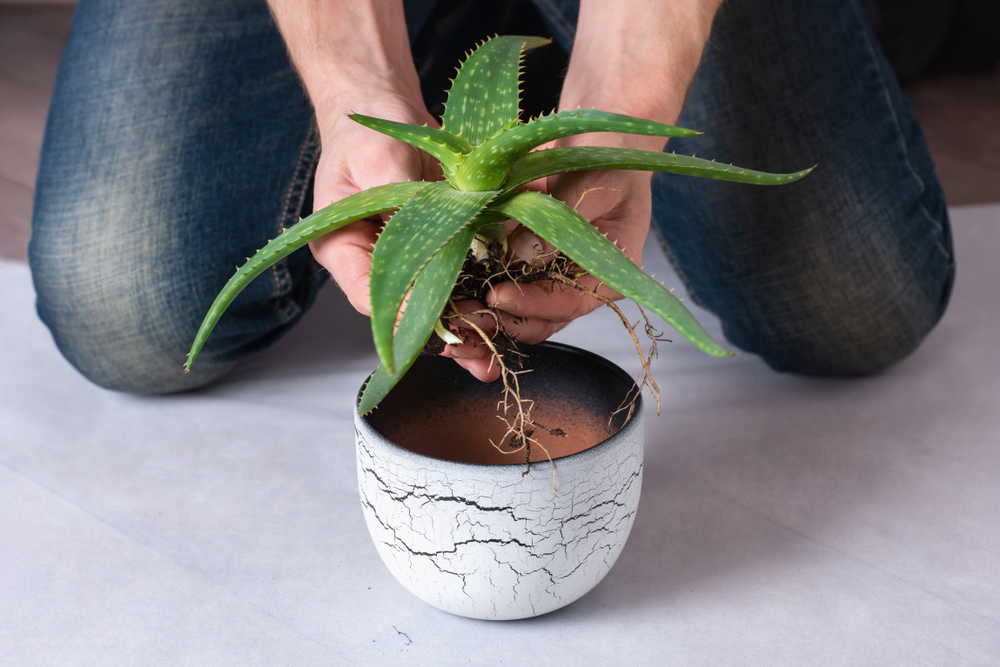
- Fill the pots with cactus mix or a DIY blend of potting soil and sand. Place your little pup right in the center.
- Fill in the rest of the soil and press down gently to secure the plant.
- Hold off on watering for a few days to let the plant settle in.
Caring for Your New Baby Aloes
Place your new plant babies in a bright, warm spot. Just be careful with direct sunlight at first—these little succulents are still pretty delicate and can get “sunburned” easily. You want to keep the soil slightly moist, but never soggy. The best rule of thumb is to water only when the top layer of soil feels dry to the touch.
When you do water, try not to get any on the leaves. Water trapped in the “crook” of the leaves (the leaf axils) can lead to rot. A pro tip? Just pour a little water into the saucer once a week and let the roots soak it up from the bottom. Since fresh potting mix is already packed with nutrients, there’s no need to worry about fertilizer for a while!