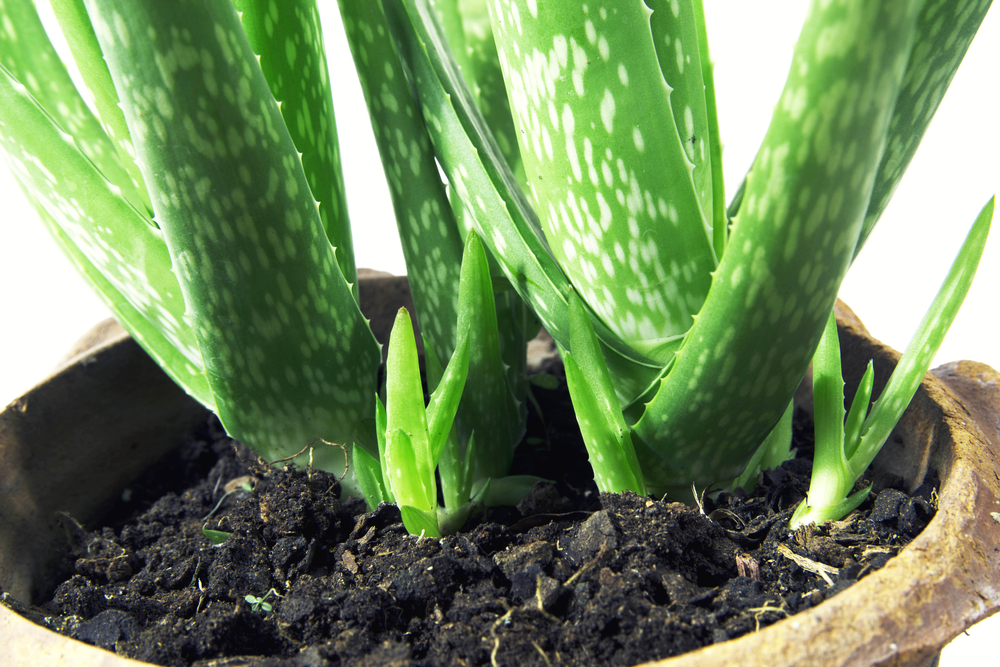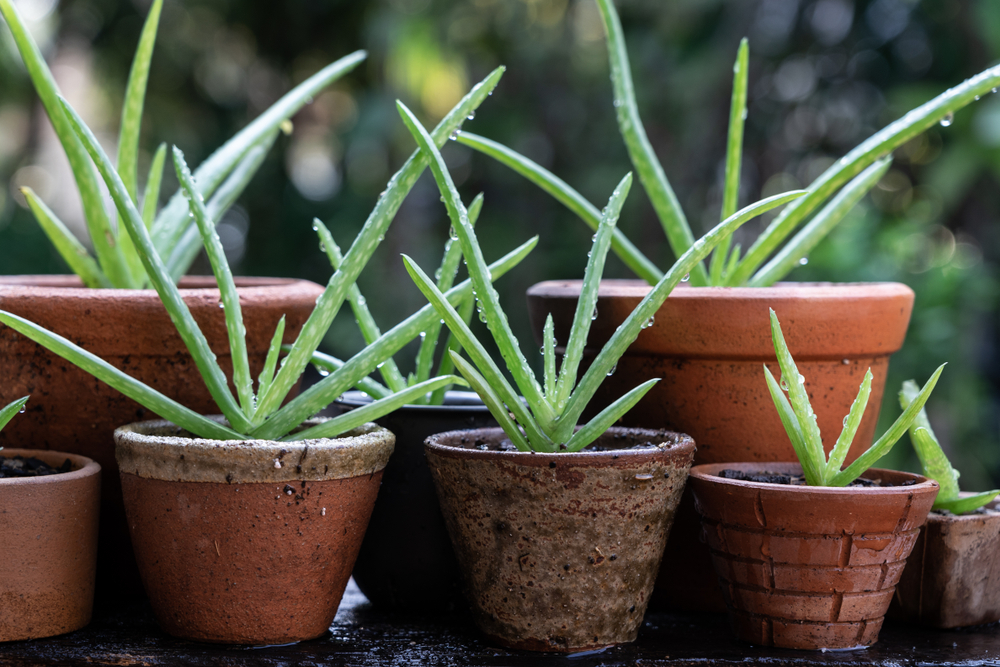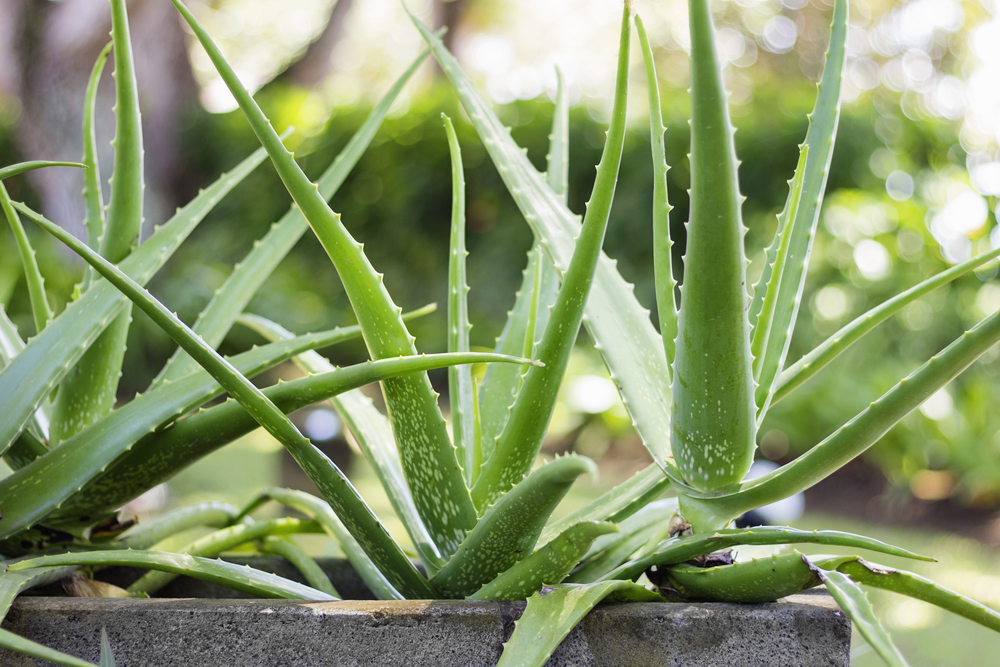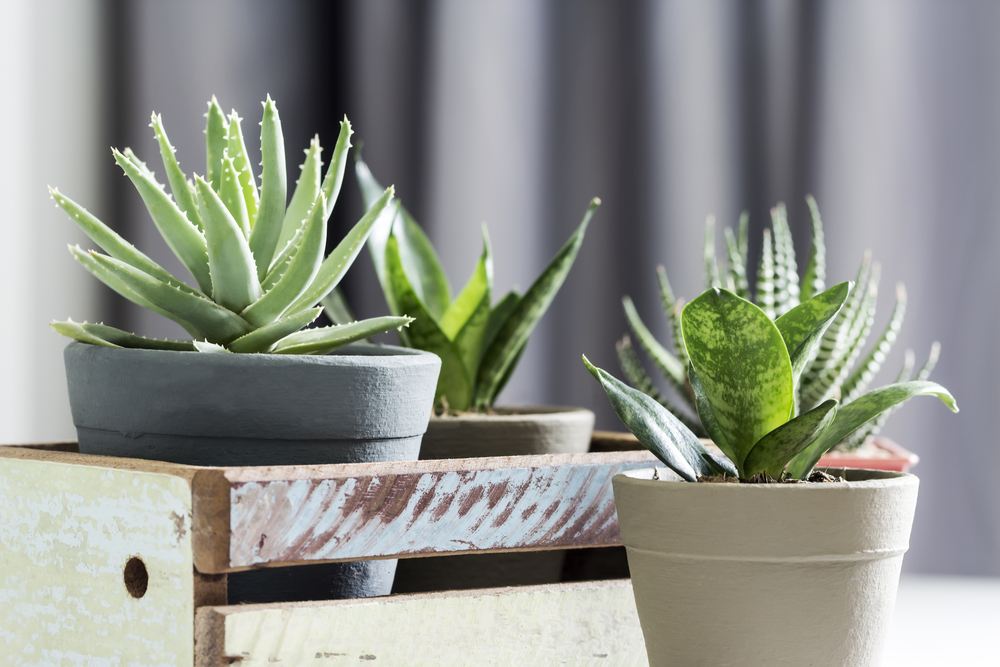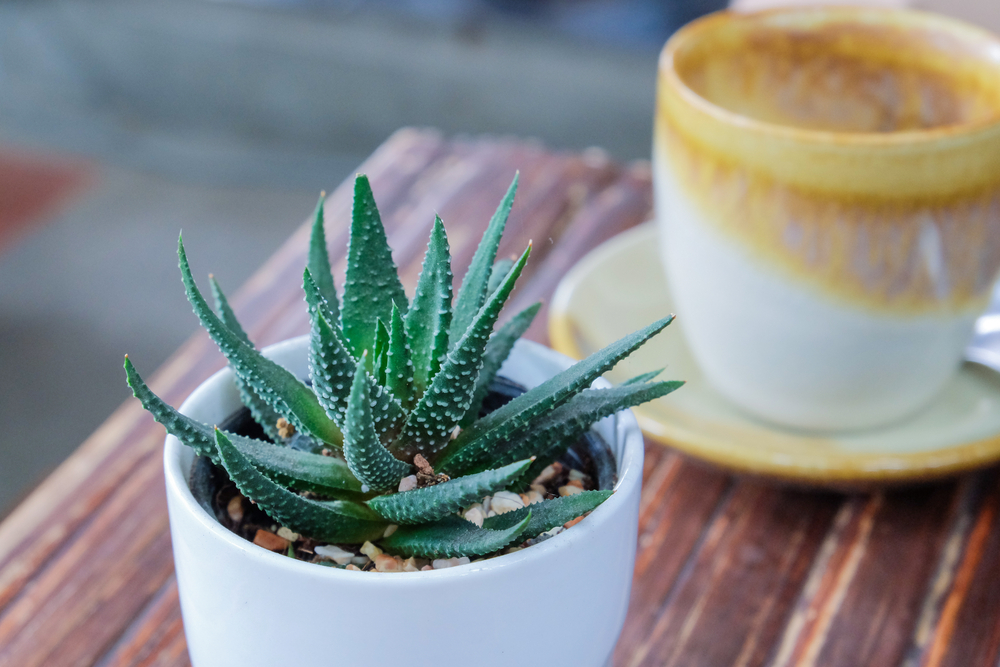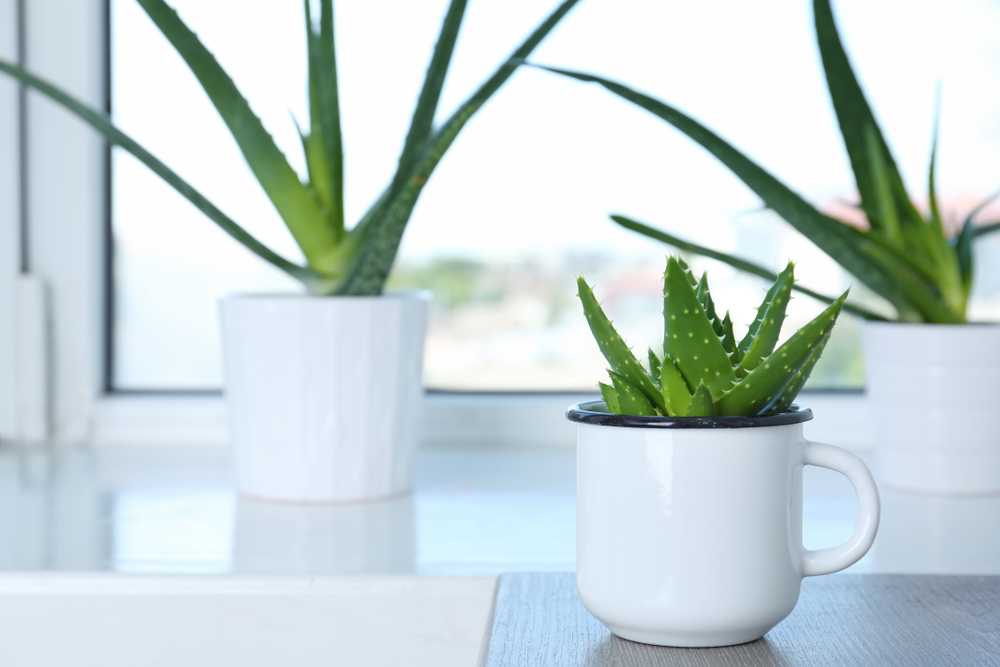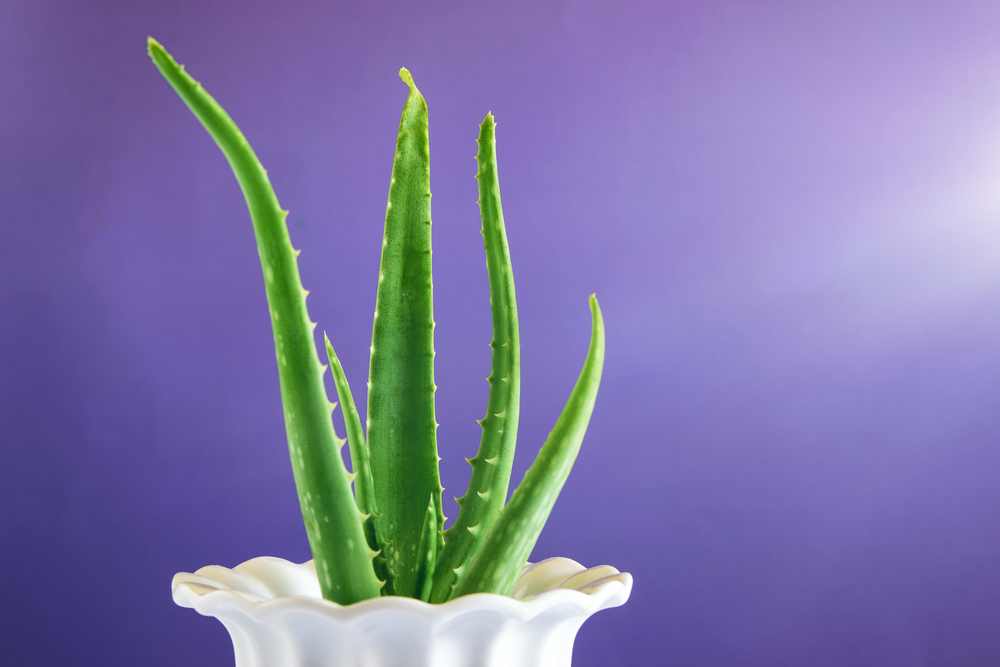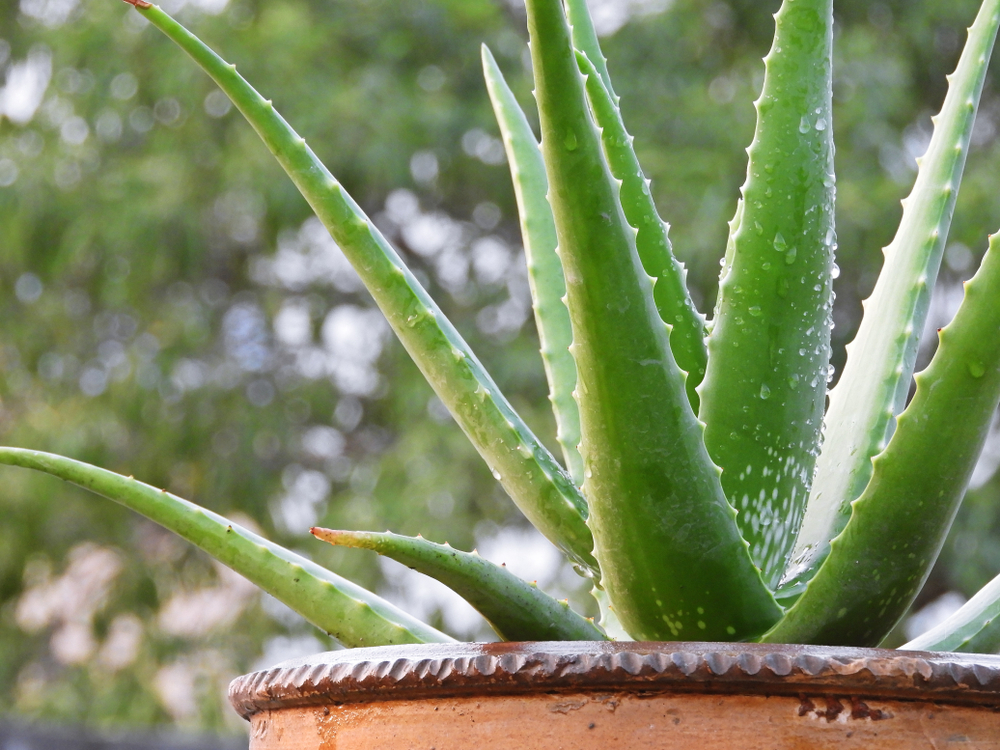
Low-maintenance and super easygoing, Aloe Vera is a total favorite for indoor plant parents. Usually, when you grab one from the store, it’s already potted and ready to go, so you don’t have to lift a finger at first. But as time goes on, you might notice little “pups” (baby plants) sprouting up around the base. When that happens, you can easily pop them off and give them their own homes!
Potting or Repotting Your Aloe Vera
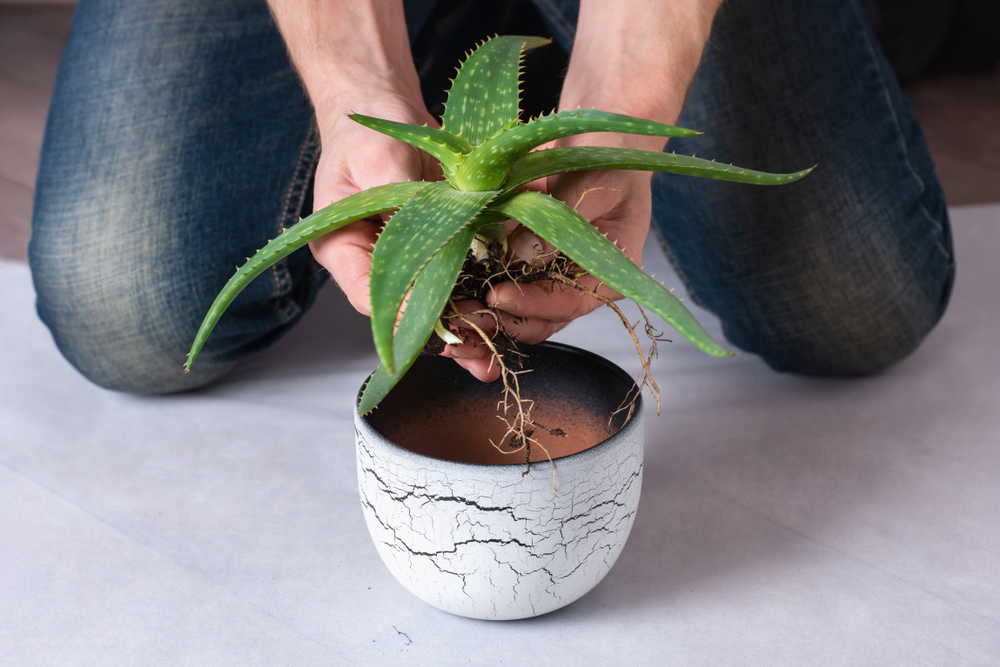
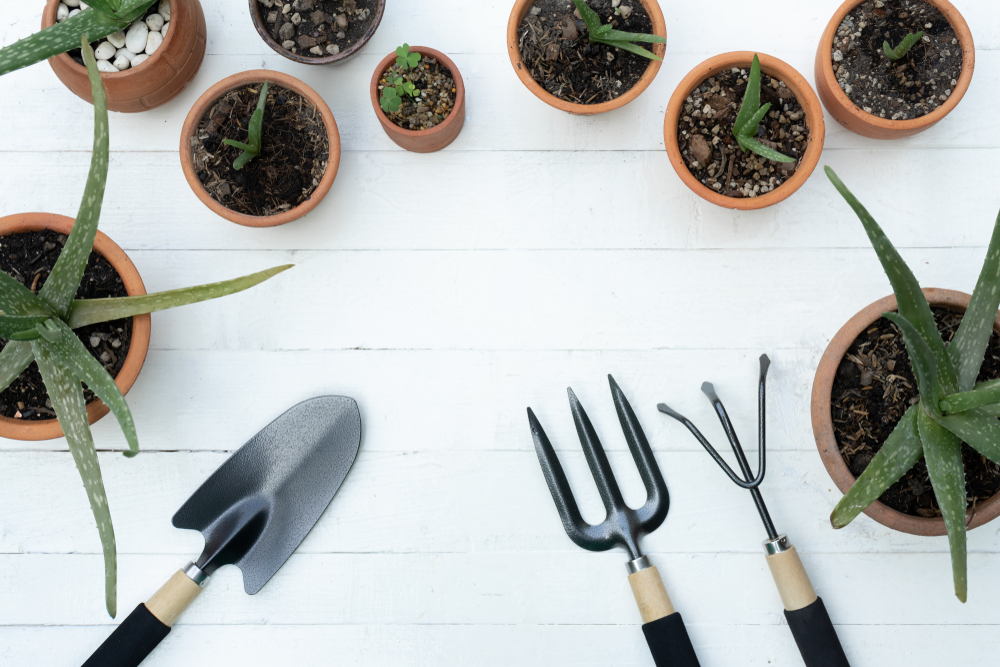
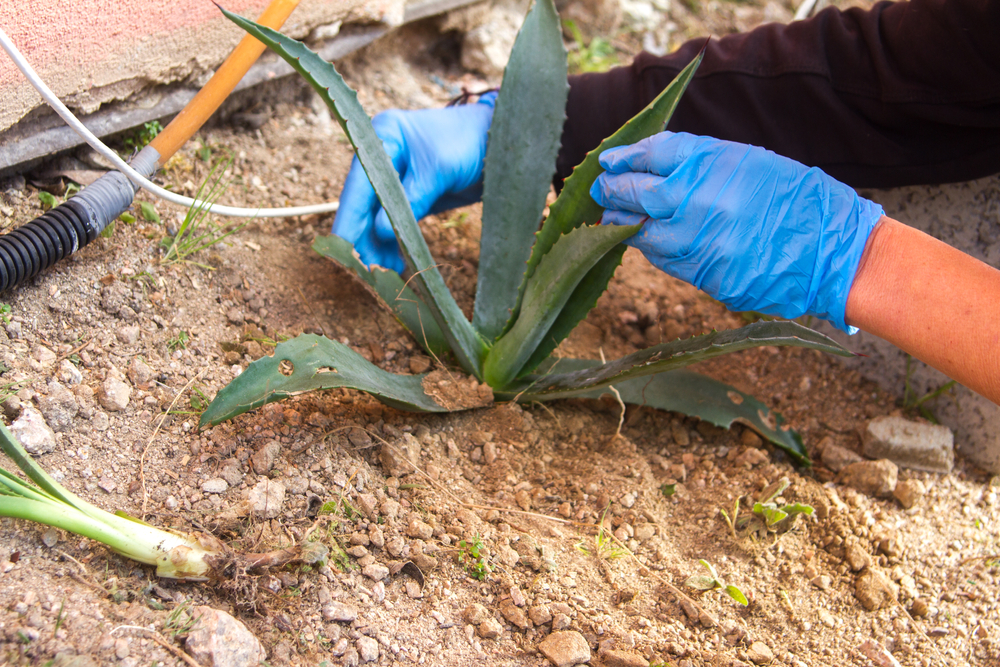
To get started, you’ll need a fresh pot and the right soil. Make sure the pot is big enough for the root ball to sit comfortably, but don’t forget about height! You’ll want enough room at the bottom for a drainage layer of broken terracotta shards or pebbles. This is a game-changer because Aloe Vera absolutely hates “wet feet”—standing water is its worst enemy. Here’s how to do it:
- Carefully lift your Aloe Vera out of its old pot, or
- gently detach the pups from the mother plant.
- Fill your new container with succulent mix or a DIY blend of potting soil and sand.
- Place the plant in the pot, add a little soil around it, and press down firmly.
- Make sure the plant feels stable and isn’t wobbling around.
- Fill the rest of the pot with soil.
- Pro tip: Make sure the plant sits at the same depth it was in its previous pot.
Location and Ongoing Care
Aloe Vera thrives in bright, warm spots. A south-facing windowsill is basically a luxury suite for this plant! During the summer, you can gradually acclimate your Aloe to the sun and let it enjoy the outdoors until September. Just don’t leave it out for the winter—Aloe Vera is very sensitive to frost. Once temps dip below 50°F (10°C), it’s time to head inside. For the winter months, a cool, bright room (around 50-60°F) is the perfect place for it to rest.
When it comes to watering, less is more. Give it a drink every one to two weeks (even less in winter), and try to keep the leaves dry. Always make sure excess water can drain away freely. Aloe is actually pretty tough; it handles a short drought much better than overwatering. If the leaves start looking a bit limp, it’s just telling you it’s thirsty—it’ll perk right back up after a quick drink. You can use a succulent fertilizer sparingly every now and then, but give the nutrients a break during the winter dormant phase.