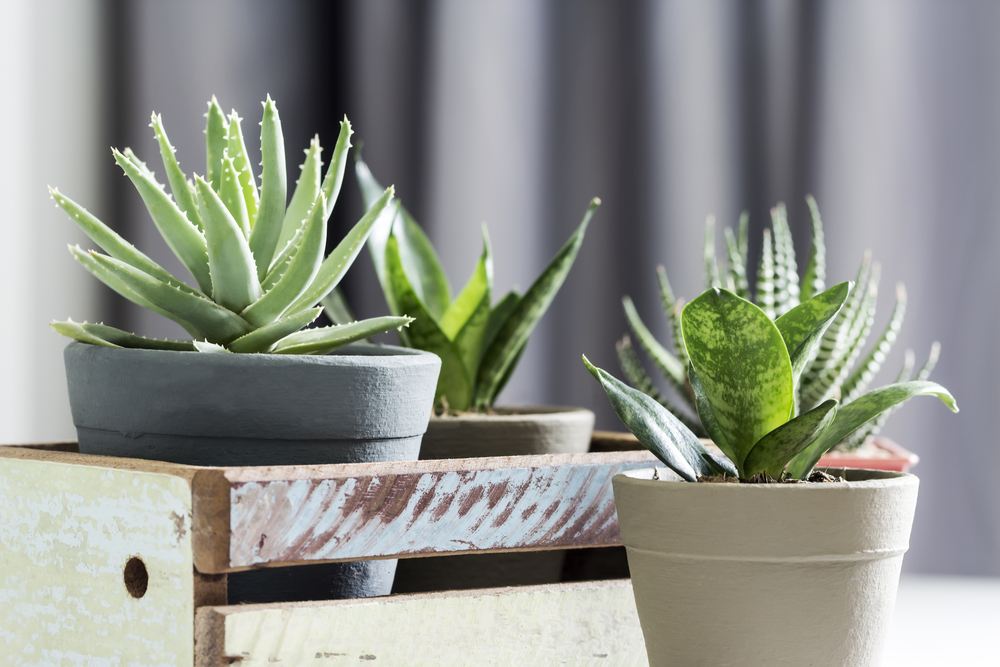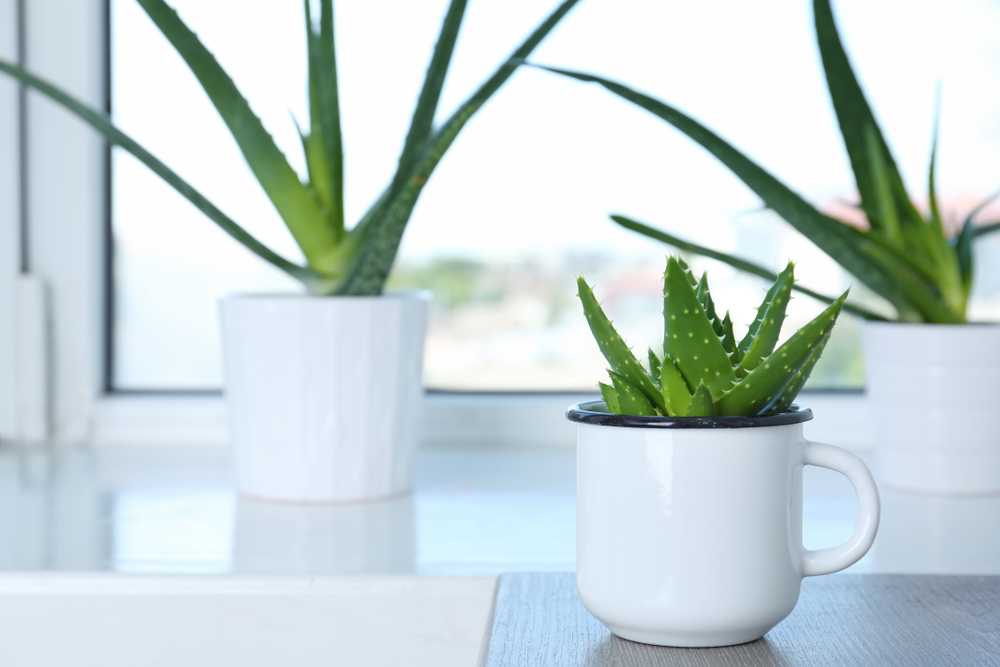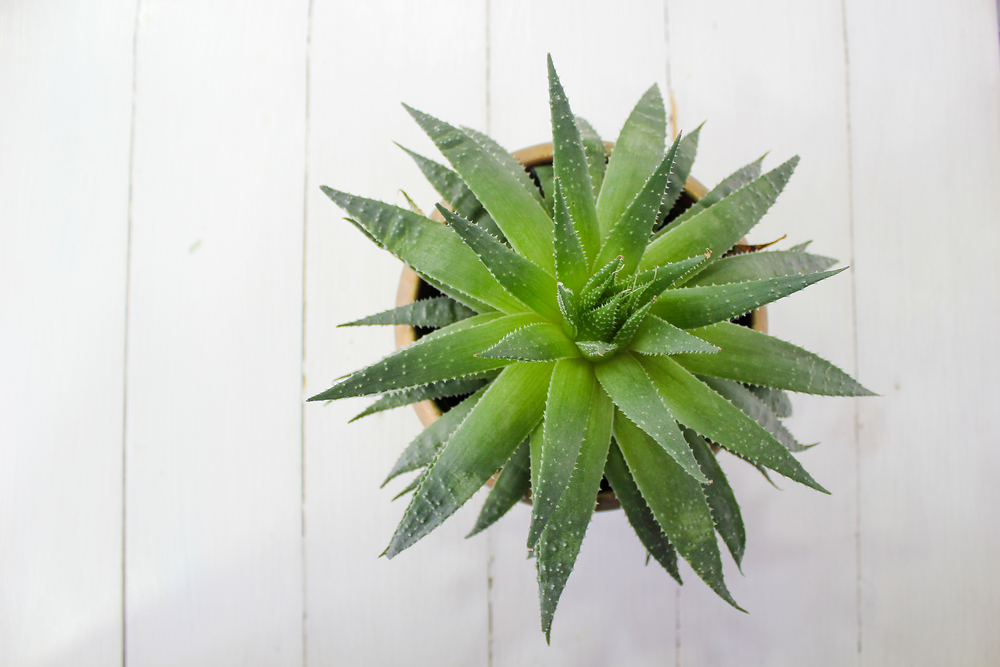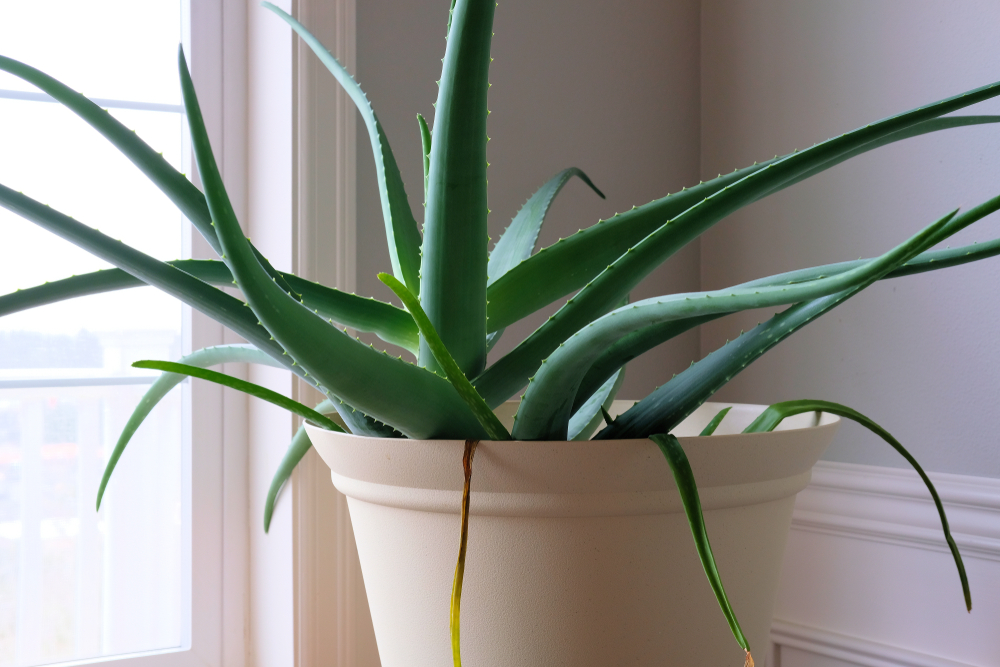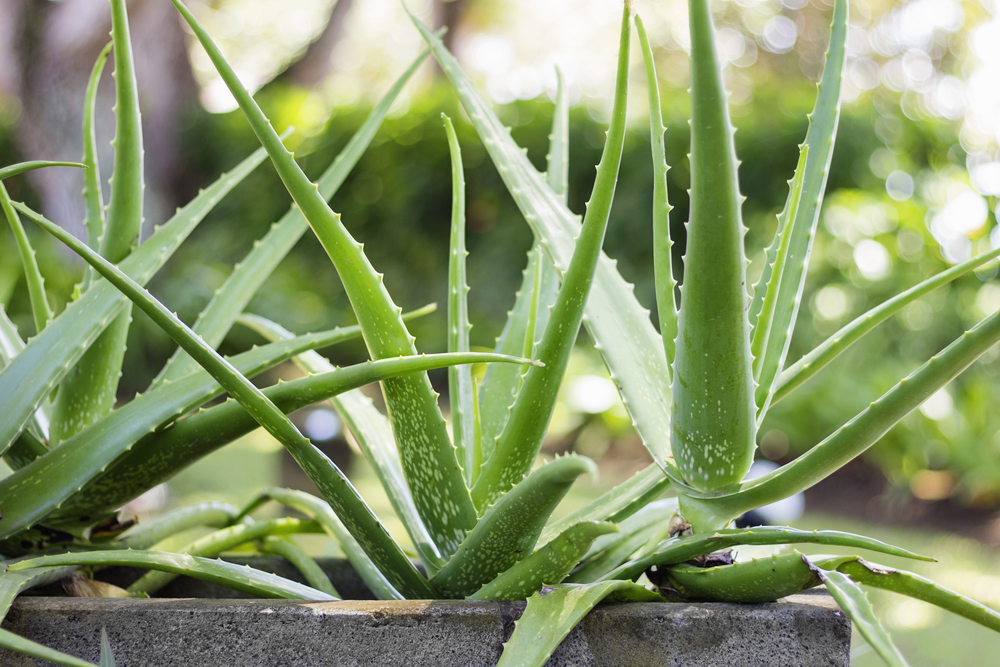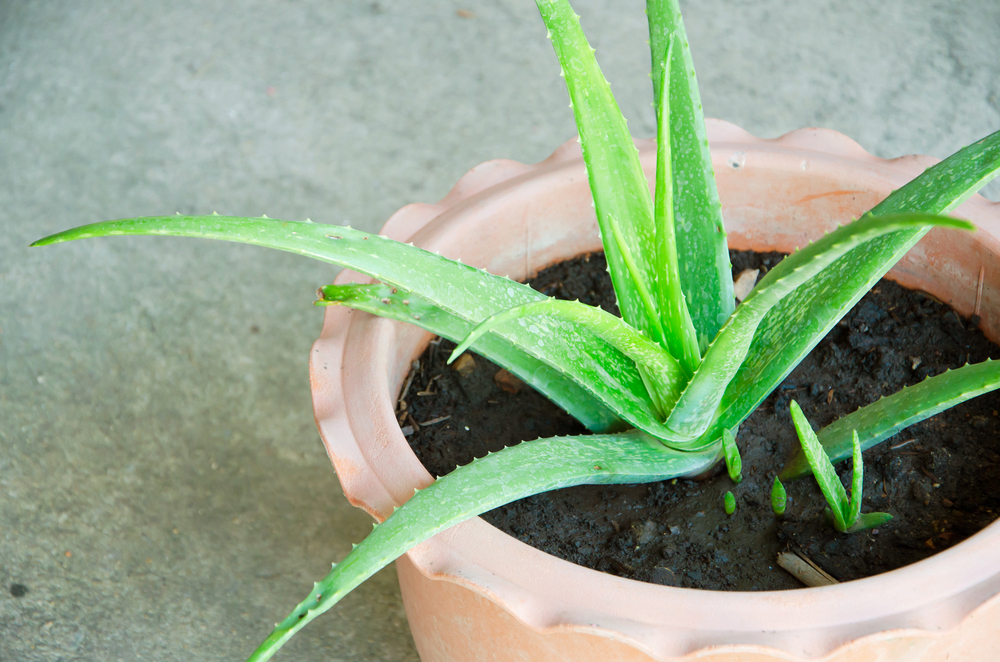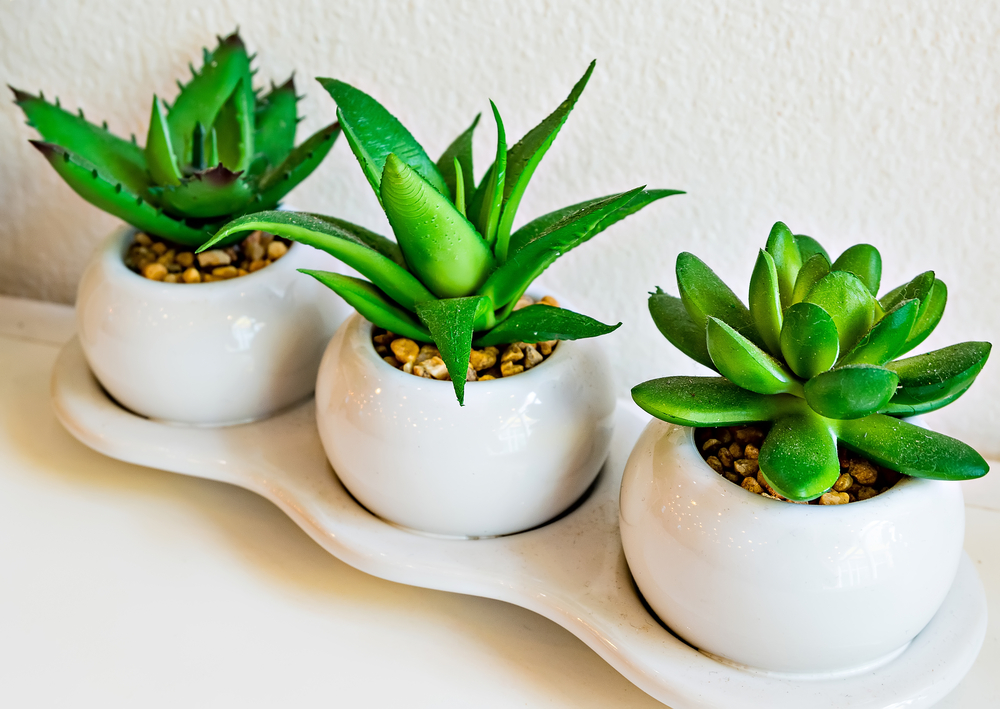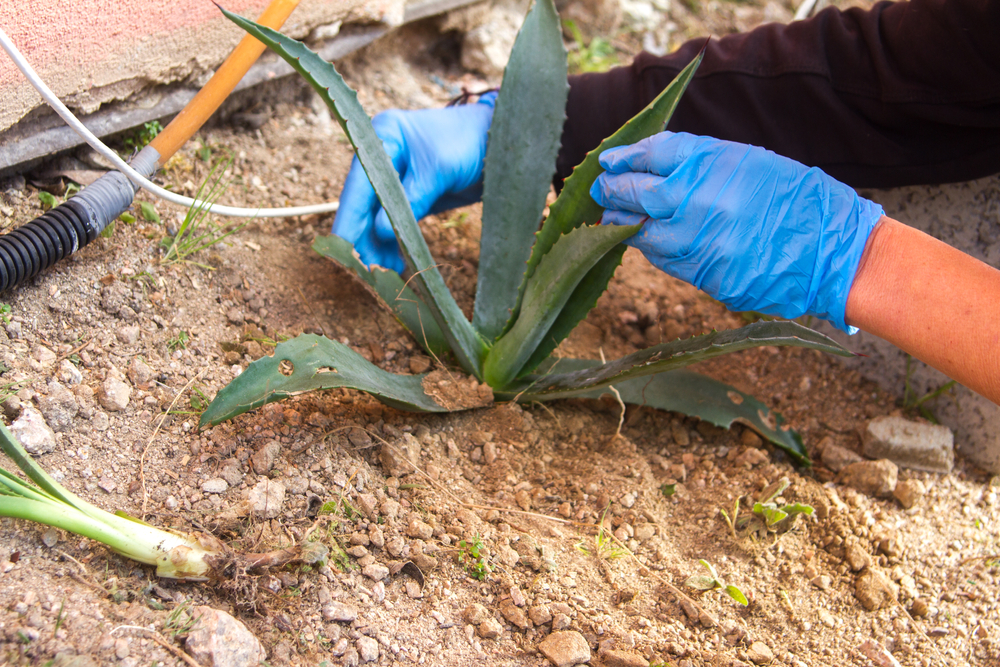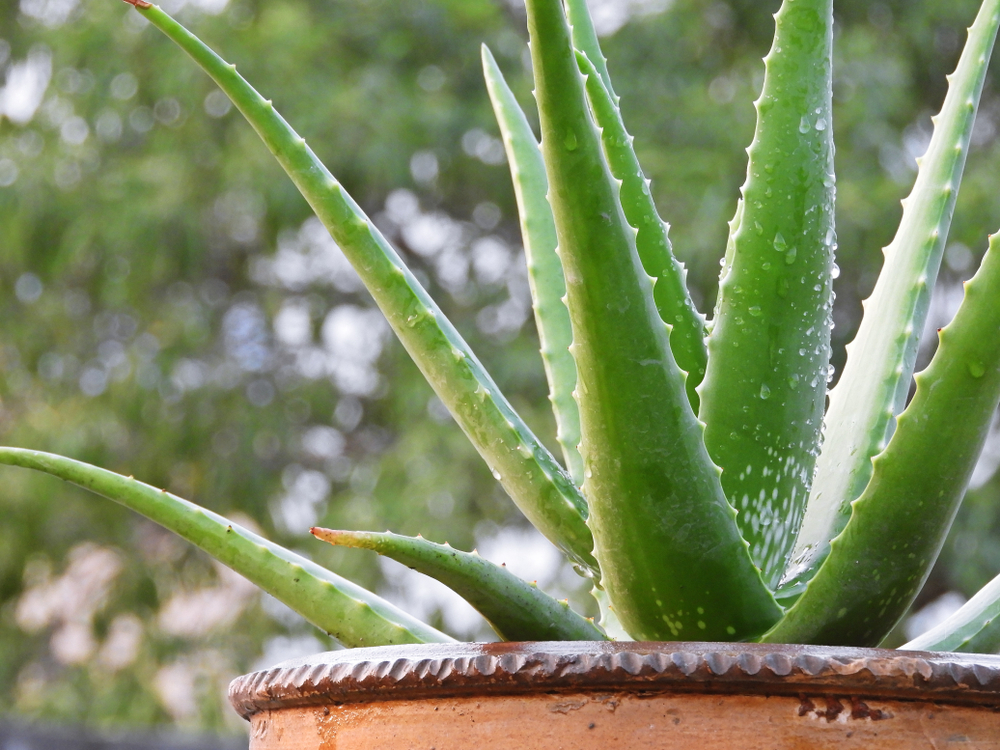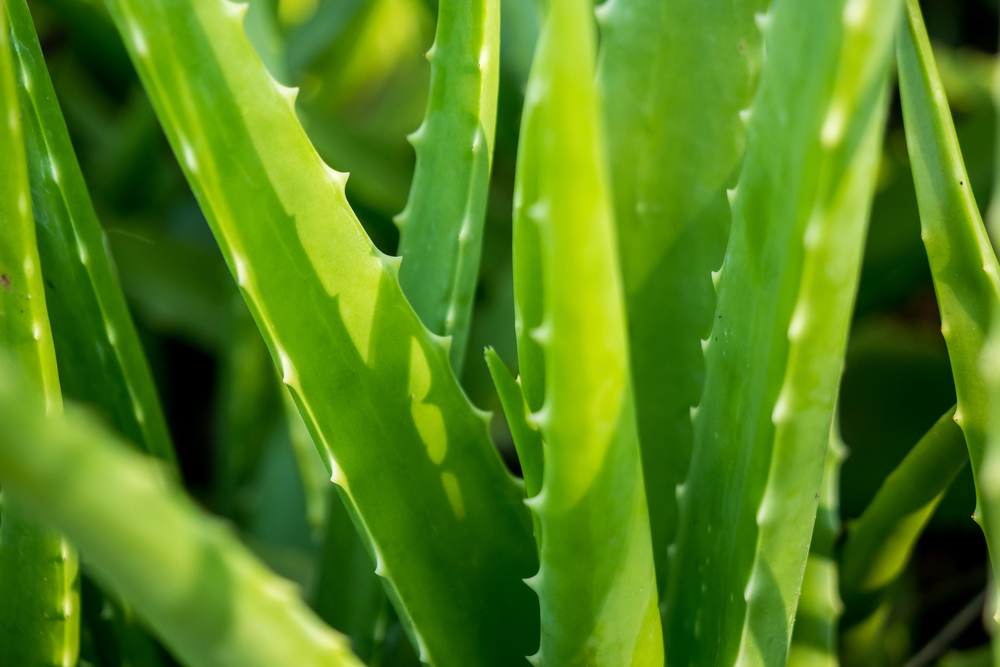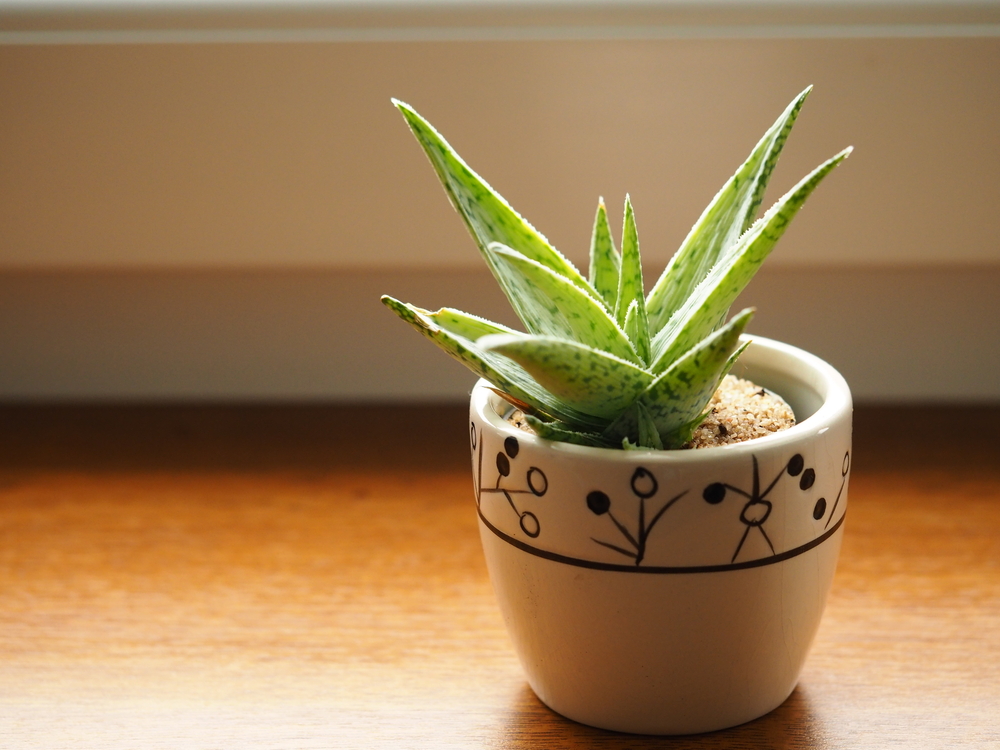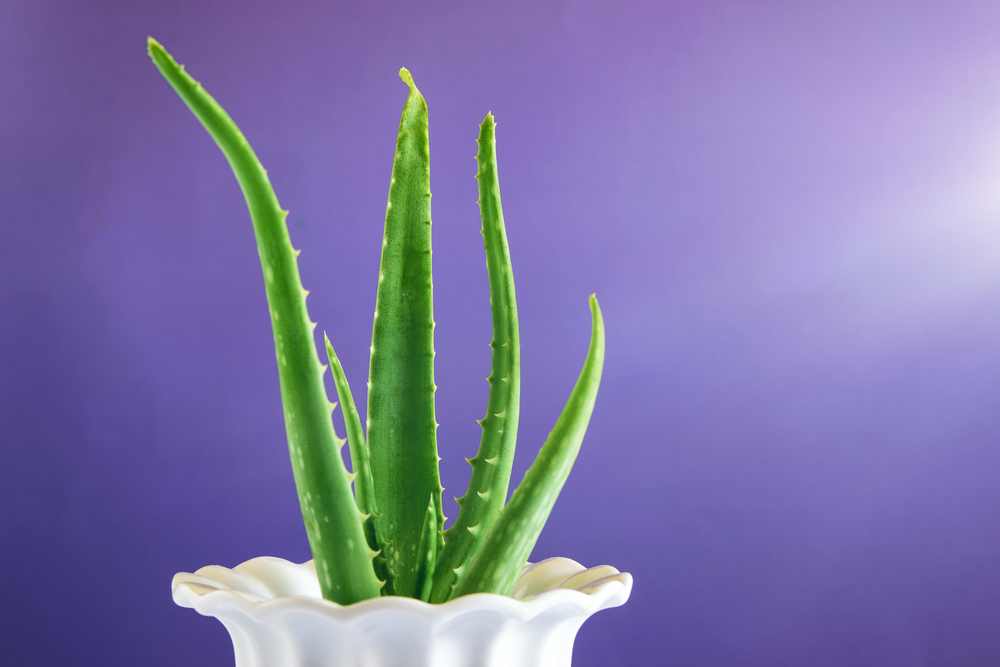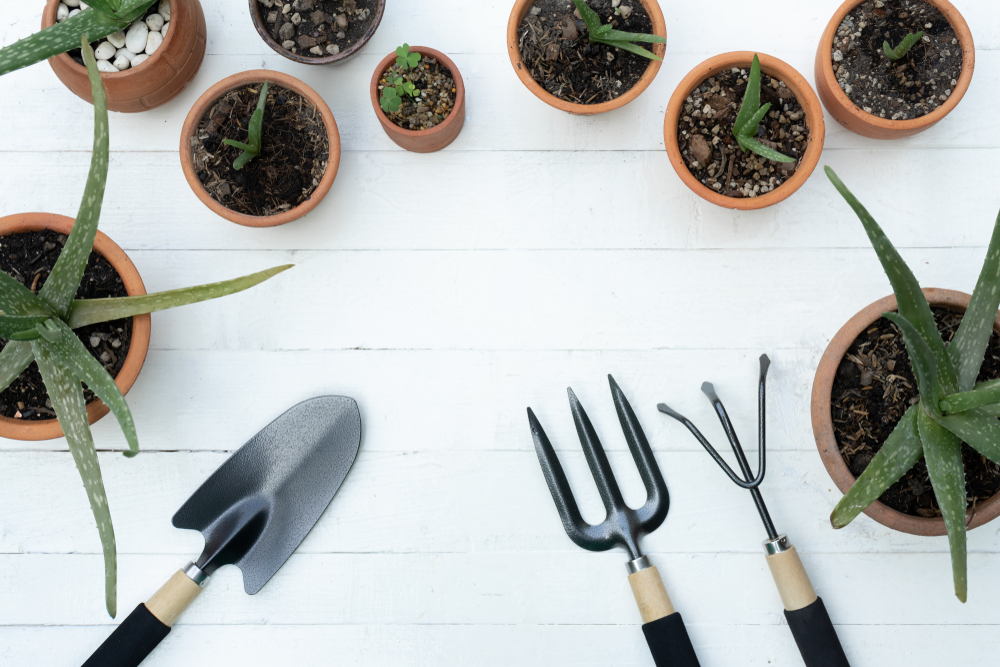
Aloe Vera originally hails from the world’s tropical and subtropical regions, making it a super handy and, more importantly, low-maintenance succulent that loves hanging out on a sunny windowsill. Since these plants are big fans of the heat, you can totally move them out to your balcony or patio during the summer months.
Planting Your Aloe Vera
If you’ve recently picked up an Aloe Vera, you’ll soon notice the mother plant starting to produce little “pups.” These are baby offsets that already have their own roots, making them the easiest way to propagate your collection. Here’s how to get those pups settled into their own pots:
- Grab a suitable pot and add some expanded clay pebbles or broken terracotta shards at the bottom for drainage.
- Fill the pot with a specialized potting mix designed for succulents or cacti.
- Feeling crafty? You can mix your own soil using equal parts garden soil, sand, and a bit of perlite.
- Gently tuck the offset into the substrate and press the soil down firmly.
- Hold off on the watering for the first few days. Only give it a light drink once the soil feels dry to the touch.
- During the spring or summer, you can feed it with a suitable liquid fertilizer, but make sure to dilute it first.
Caring for Your Aloe Vera
Once your succulent is potted up, find it a bright, warm spot. While Aloe Vera can handle full sun, it’s best to acclimate it slowly to intense sunlight—especially when the plants are still young.
Watering Tips
Aloe Vera doesn’t need much water because it stores moisture in those thick, fleshy leaves. You can water a bit more frequently during its growing phase (between April and October), but during its winter dormant phase, it barely needs any water at all. Always water directly onto the soil, never onto the leaves. If water gets trapped in the leaf axils, it can lead to rot. Also, make sure there’s no standing water; good drainage is key to preventing root rot. That drainage layer at the bottom of the pot is a real lifesaver!
Fertilizing
In the wild, Aloe Vera usually grows in pretty poor soil, so it doesn’t need a ton of nutrients. However, you can give it a little boost at the start of the growing season in the spring with some specialized succulent fertilizer.
Taking it Outdoors
Aloe Vera loves high temperatures and full sun. Around June, once the nights have warmed up, you can safely move it out to the balcony or terrace. Just make sure its outdoor spot is warm, bright, and protected from wind and heavy rain. As soon as temperatures start dipping toward 50°F (10°C) in September, it’s time to bring your Aloe back inside. These succulents are very sensitive to the cold; if they get too chilly, the leaves will turn glassy, get mushy, and fall off. Inside, let your Aloe overwinter in a spot between 50°F and 60°F. Spending a few weeks in a cooler room is actually the secret trick to getting them to bloom in the spring!