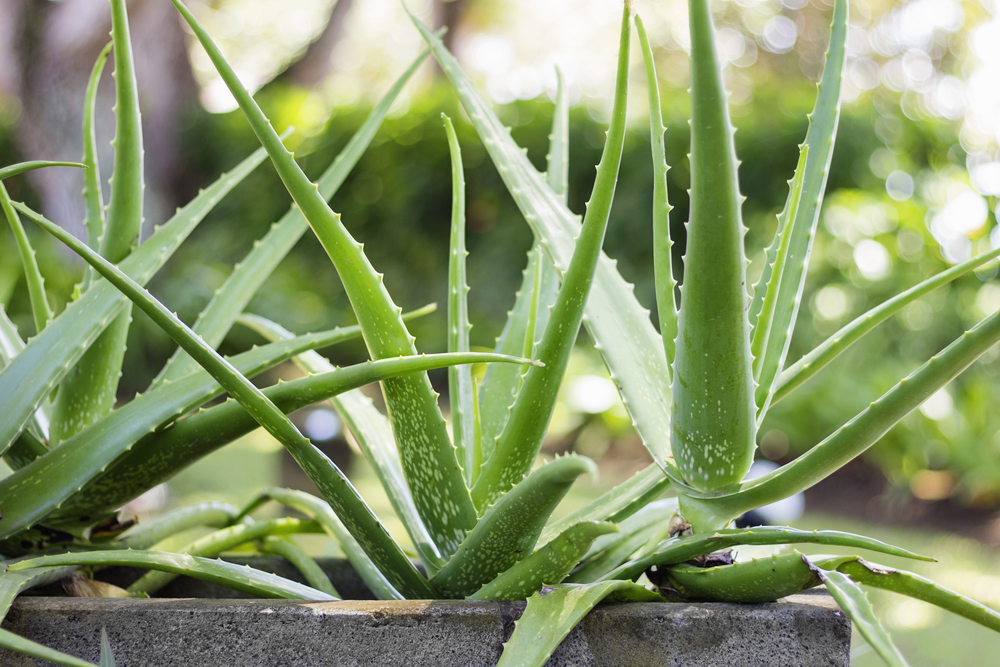
Aloe vera is known for its impressively lush growth. While it’s a favorite indoor plant, it often gets a bit too big for its britches—or at least too big for your windowsill! If you find your plant taking over, don’t worry. Regular pruning is the secret to keeping your Aloe vera looking compact and tidy.
What kind of pruning does an Aloe vera need?
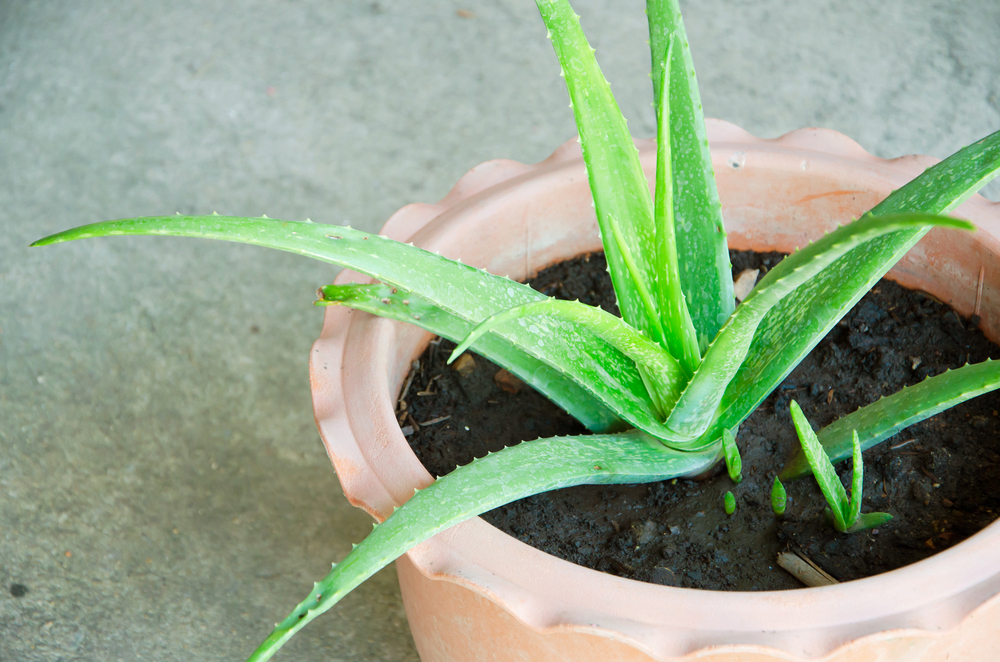
To keep your Aloe from growing wild and sprawling, you’ll need to trim back a few leaves every now and then. This helps the plant maintain a sturdy, compact shape so it doesn’t get top-heavy. You’ll also want to keep an eye out for “pups”—those little side shoots or offsets. Once an Aloe plant hits about three years old, it starts producing these babies around the base or directly on the stem. Removing them prevents them from sucking too much energy away from the mother plant and keeps the pot from getting overcrowded. Plus, if you don’t want to toss them, these pups are perfect for propagating new plants!
Refreshing your Aloe Vera
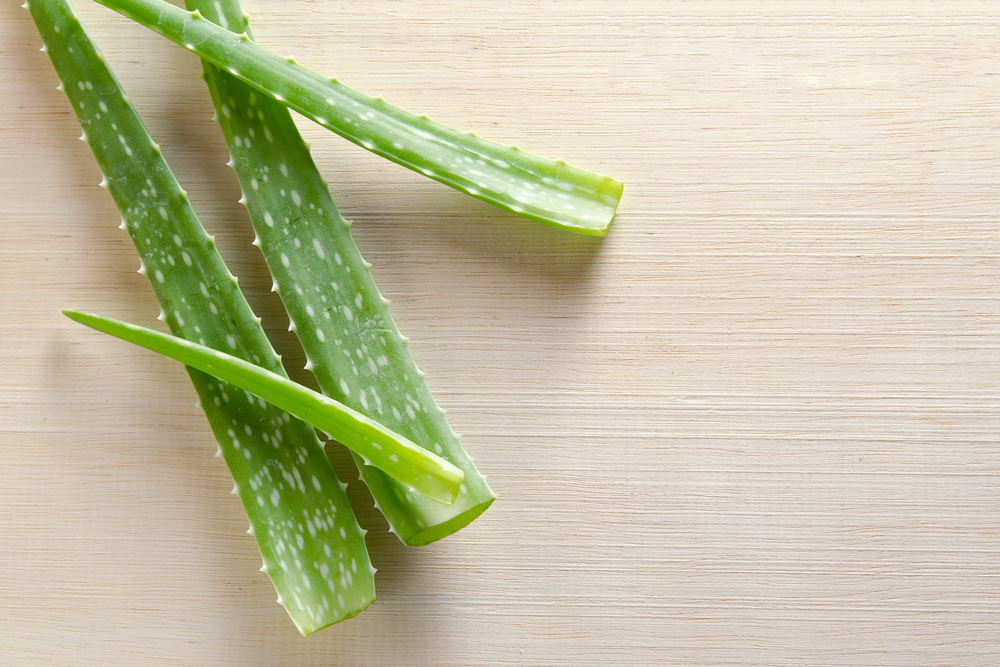
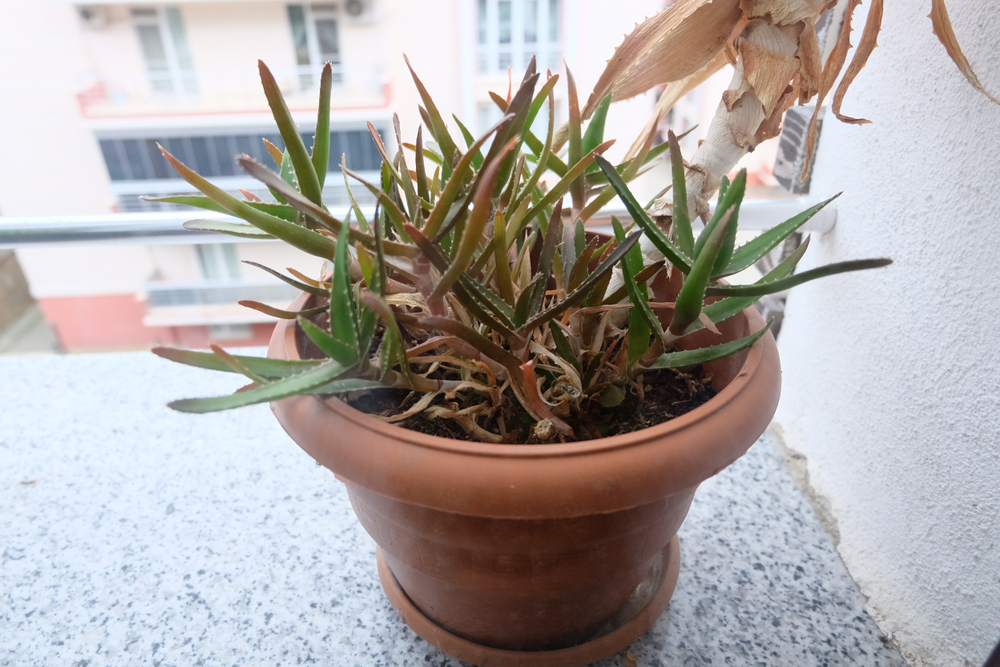
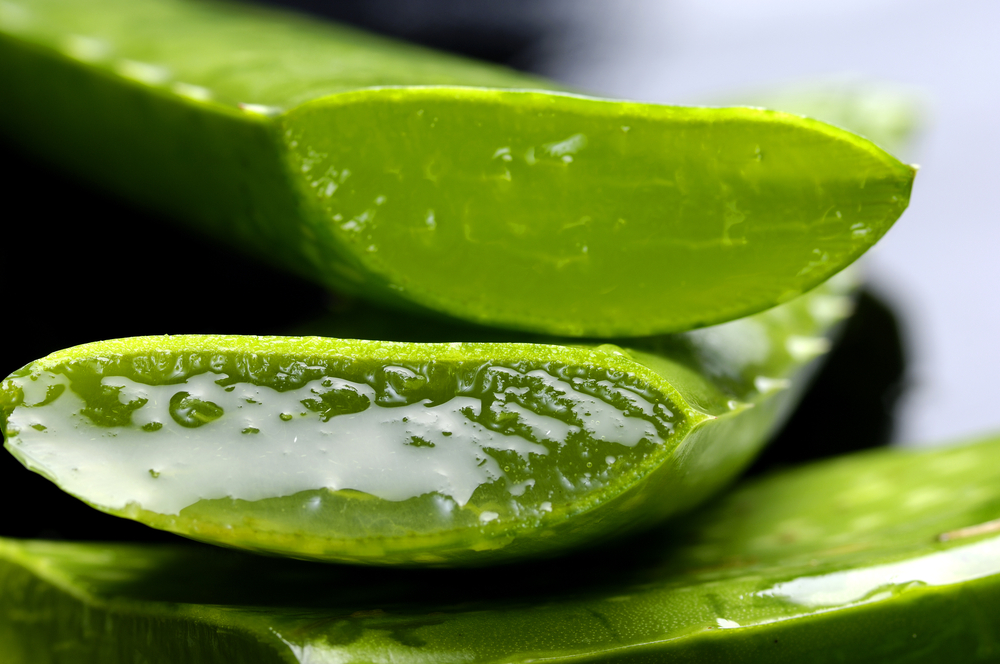
Aloe plants grow from the center of the rosette, constantly pushing out new growth. Over time, the older, outer leaves will naturally turn brown and die off. You should trim these away once they’ve dried up, but you can actually speed up the plant’s “glow-up” by harvesting a few of those outer leaves regularly. The gel inside is amazing for DIY skincare, or you can even use the leaf as a cutting to start a whole new plant.
How to prune the right way
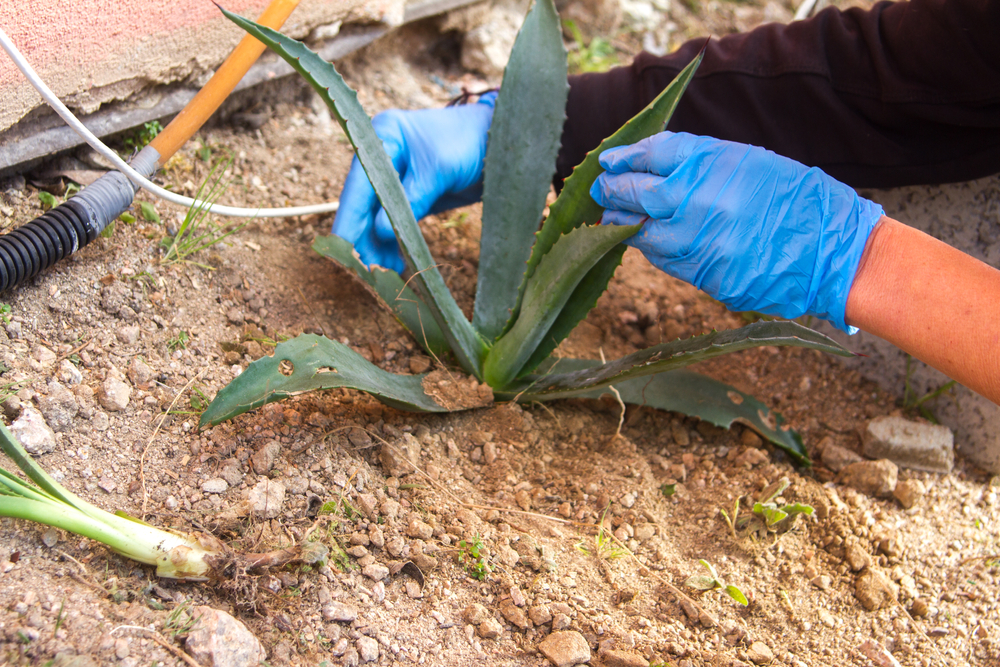
Because they grow so vigorously, your Aloe will need a little haircut every once in a while. Here’s how to do it right:
- Grab a sharp and—most importantly—clean knife or a pair of garden shears.
- Make a small notch in the leaf deep down at the base.
- Carefully snap the leaf off or cut it all the way through.
- Try to keep the “wound” on the main plant as small as possible to help it heal quickly.
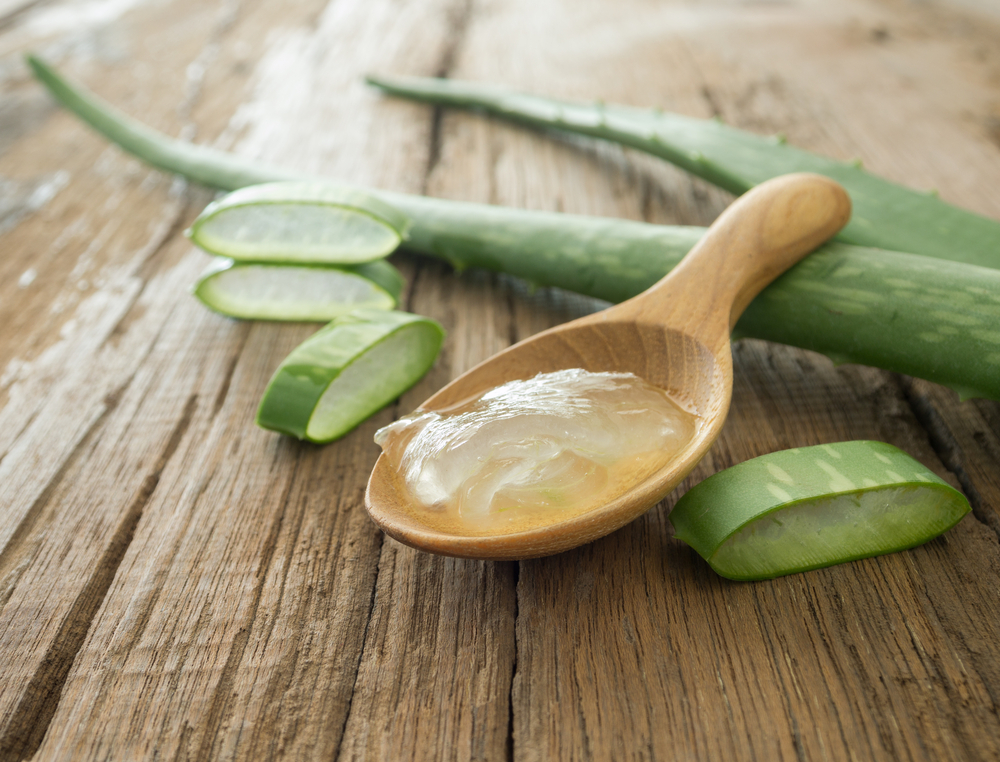
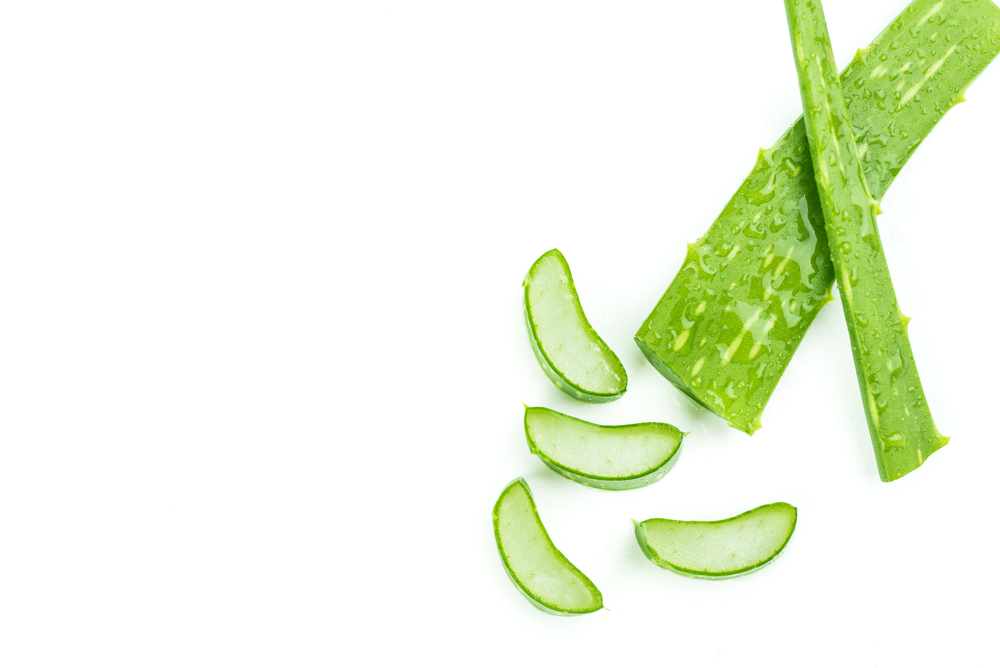
- You can compost the leaf, use it as a cutting, or harvest the gel for its healing properties. If you aren’t ready to use the gel right away, the leaf will stay fresh in the fridge for a bit.
When pruning, always start by removing the old, unsightly, or dried-out leaves and any spent flower stalks. Basically, if it doesn’t look healthy, snip it off!