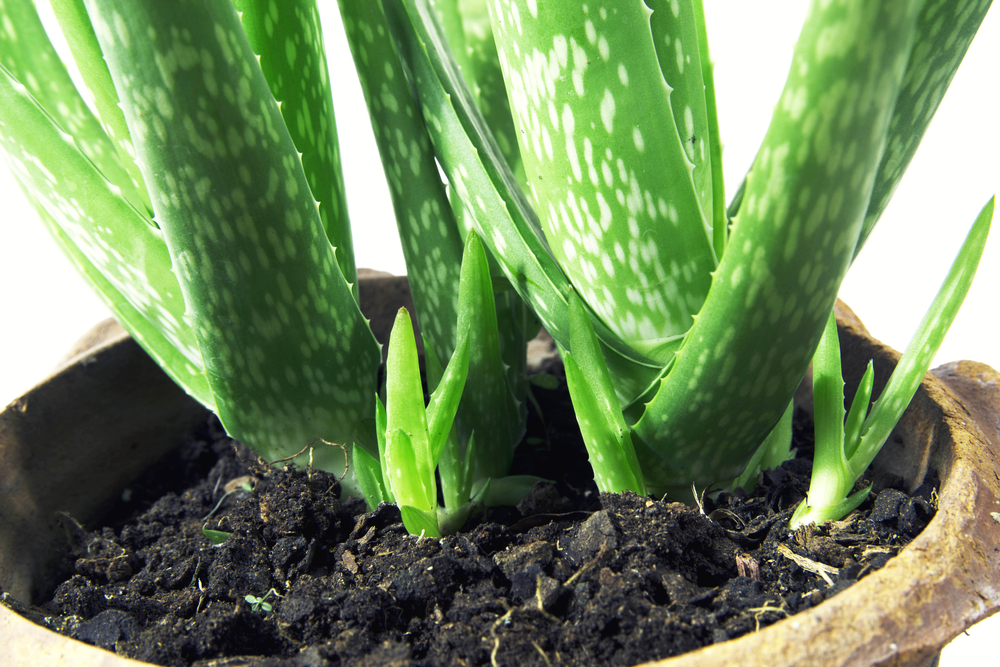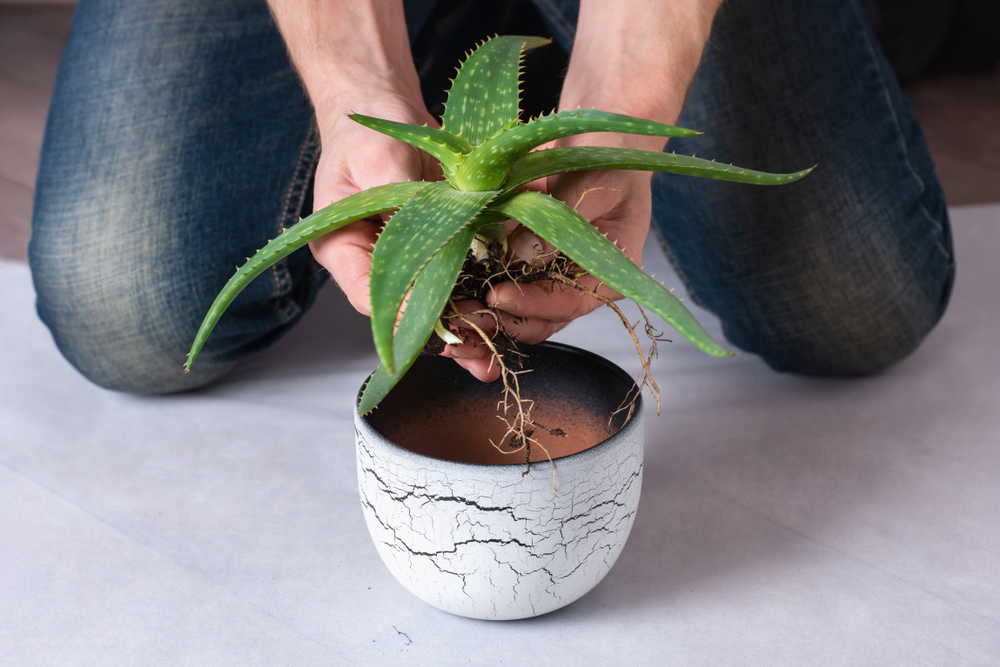
Just like with any other plant in your garden, the roots are the MVP of your Aloe Vera. They’re responsible for soaking up water and sending it into those thick, juicy leaves for storage. If you want a happy plant, you’ve got to keep those roots healthy!
Everything You Need to Know About Aloe Roots
These succulents love soil that is well-draining, crumbly, and on the drier side. You want water to flow through the pot quickly—standing water is the enemy here. Aloe roots are actually quite delicate and very prone to root rot if they sit in soggy soil. Once the roots rot, they can’t deliver water or nutrients to the rest of the plant, which leads to those sad, mushy leaves that eventually die off.
Watering the Right Way
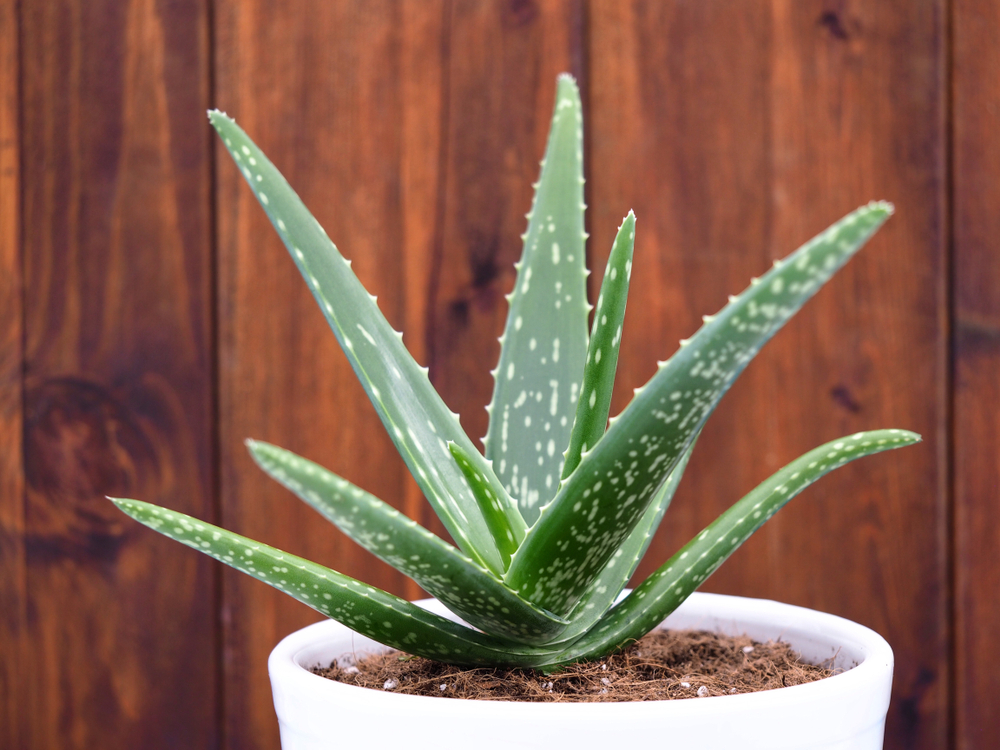
To keep those roots in tip-top shape, the golden rule is: less is more. Your Aloe will soak up a little bit of water and store it away for a rainy day (literally!). Only water your plant when the soil has completely dried out. Always aim for the soil, not the leaves—water trapped in the leaves can cause them to rot. To make sure water doesn’t pool at the bottom, you’ll want to set up a good drainage system when potting:
- Pick out a pot that has at least one drainage hole at the bottom.
- Add a layer of expanded clay pebbles, coarse gravel, or broken terracotta shards to the bottom of the pot.
- Cut a small piece of landscape fleece or mesh to cover the drainage layer. This keeps the soil from washing down and clogging the holes.
- Add a bit of soil over the fleece, place your plant in the center, and fill in the rest with dirt.
- Since extra water will drain out, make sure you have a saucer underneath to catch the runoff.
Dealing with Root Rot
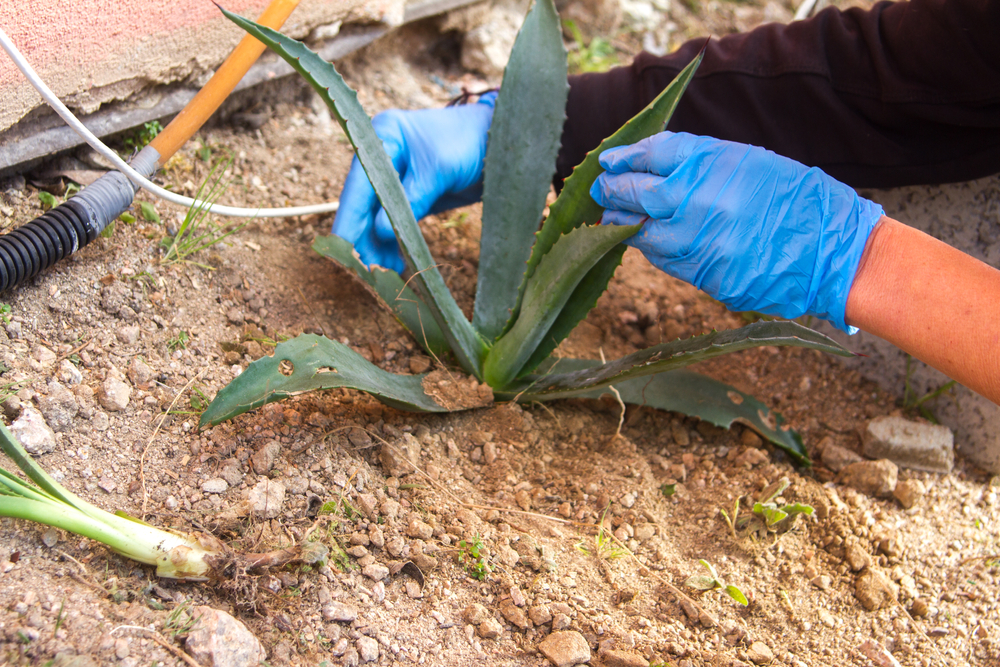
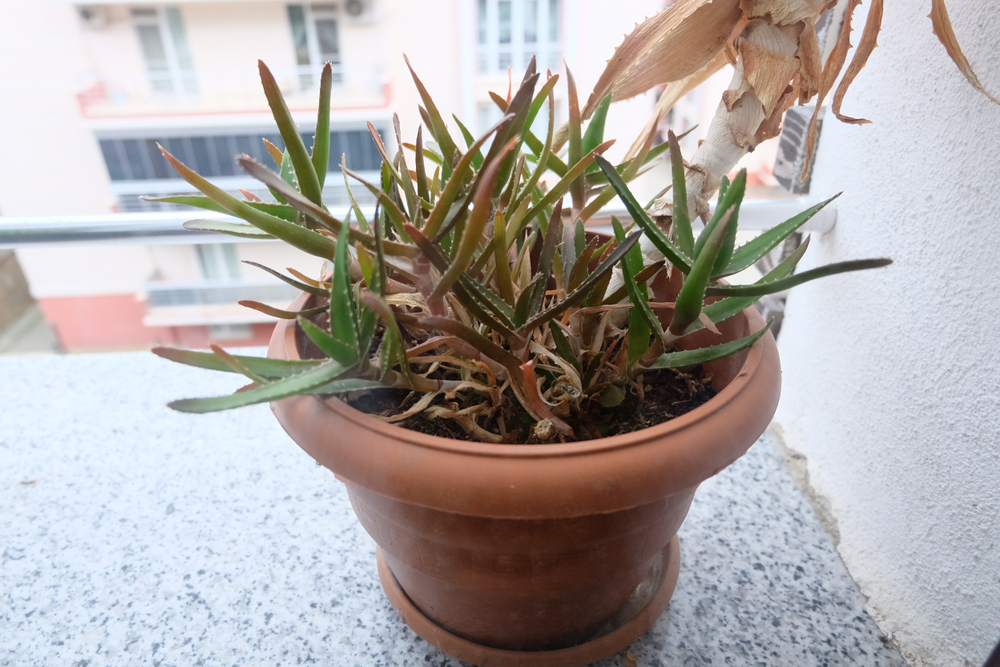
Root rot is probably the most common issue Aloe growers face. Usually, you won’t even notice it until the leaves start looking soft and translucent. If that happens, take the plant out of its pot immediately to check the roots. If you see roots that are black, slimy, or mushy, grab a sharp knife and trim them off right away. If most of the root system is still healthy, you’ve got a great chance of saving it! Just repot it into fresh, well-draining soil in a pot that’s slightly larger than the root ball, and don’t forget that drainage layer.