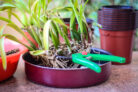
If your Cymbidium orchid is starting to look a little crowded in its pot, I’ve got great news: it’s the perfect time to give it some breathing room and get a “free” new plant in the process! Dividing these orchids is actually pretty straightforward once you understand how their bulbs work. With a little bit of patience and a steady hand, you can propagate your orchid right at home.
The Best Time to Divide Your Orchid
The absolute best time to divide a Cymbidium is when you’re already planning to repot it. Usually, this is right after the flowering season has ended and the plant has clearly outgrown its current home. By separating the bulbs during the repotting process, you solve two problems at once: you get a new plant, and the original “mother” plant won’t even need a bigger pot!
Step-by-Step Guide to Dividing
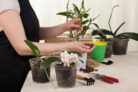
Before you get started, make sure you have a second pot ready and some high-quality orchid mix on hand. Here’s how to do it:
- Gently remove the Cymbidium from its old pot.
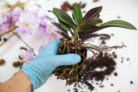
- Rinse away the old substrate so you can see what you’re working with.
- Trim off any mushy or rotten root sections with clean shears.
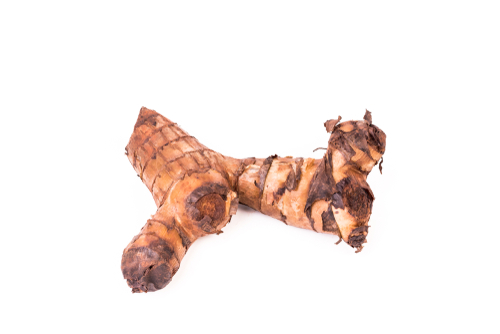
- Carefully divide the root mass and bulbs.
- Place both the original plant and the new division into their own prepared pots.
- Give both plants a good drink of water to help them settle in.
Don’t Go Too Small!
One quick pro-tip: make sure your Cymbidium is big enough to handle the split. You want to ensure that the mother plant still has at least three healthy bulbs left after you’ve taken your division. If you strip it down too much, the plant might get too weak to recover. Also, double-check that your new division has plenty of its own roots attached so it can hit the ground running.
Use the Right Tools
You’ll definitely want a sharp, clean knife for the job. That said, I’ve seen some massive Cymbidiums that actually required a small garden saw to get through the root ball! Whatever tool you choose, just make sure to disinfect it thoroughly before you start. This prevents any nasty germs or fungi from hitching a ride into your freshly cut plants.