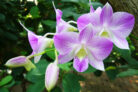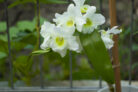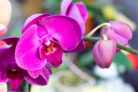
Finding a Dendrobium orchid baby (often called a “keiki”) is like getting a little gift from Mother Nature. These tiny offshoots are the perfect way to grow a brand-new plant that will eventually reward you with its own stunning blooms. If you’ve spotted one on your orchid and aren’t sure what to do next, don’t worry! Here’s everything you need to know about safely removing and caring for your new orchid baby.
When a Keiki Starts to Sprout
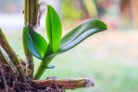
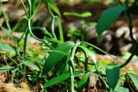
If you suddenly notice tiny roots and leaves popping out of a Dendrobium cane, congratulations—you’ve got a keiki! To turn that little sprout into a thriving daughter plant, here’s the best game plan:
- Leave the baby attached to the main cane until it has developed several air roots and at least two leaves.
- Keep caring for the mother plant just like you normally would.
- Give the little keiki an extra boost by misting it daily with lime-free water (distilled or rainwater works great).
There’s no need to rush the separation. As long as the main stem is green, it’s still feeding the baby with nutrients and water. You should only reach for your tools once the mother bulb starts to shrivel or pull back. When that happens, use a sharp, sterilized knife to make the cut. Aim for about an inch below the air roots so a small piece of the mother plant remains attached to the base of the keiki.
Potting and Caring for Your Dendrobium Nobile Baby
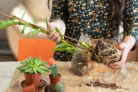
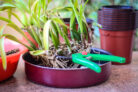
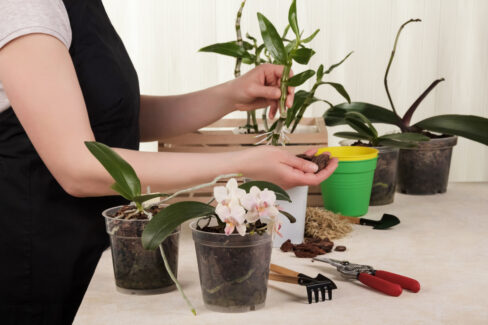
Once you’ve separated the keiki, it’s time to get it settled into its own pot right away. I recommend using a clear nursery pot and a fine-grade pine bark substrate. If your orchid baby is particularly tiny, a mix of lava granules and coconut fiber soil often works even better to keep those delicate roots happy.
To give it the best start, place the young plant in a mini-greenhouse or cover it with a clear humidity dome. This creates that warm, humid microclimate orchids love. Keep misting the plant daily until the root system is strong enough for it to graduate to a permanent spot. Once it’s established, move it to a warm, bright windowsill with indirect light and repot it into a standard pine bark orchid mix.