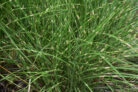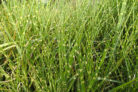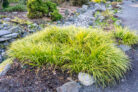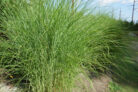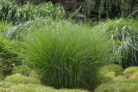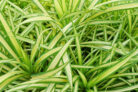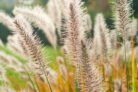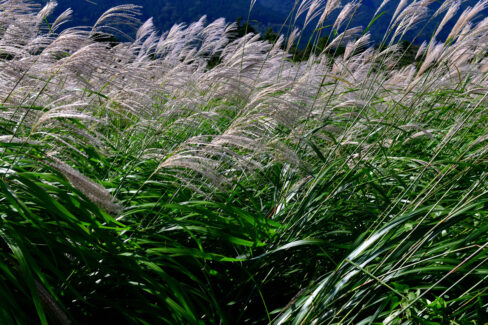
Over time, you might notice your Miscanthus (also known as Maiden Grass or Silvergrass) needs a little extra TLC. Dividing your grass is one of the best ways to keep it looking its best. Here’s a quick guide on why, when, and how to split your grasses like a pro.
Why You Should Divide Your Grass
Dividing your Miscanthus isn’t just about making more plants (though that’s a huge perk!). As these grasses age, they benefit from a “reset” for several reasons:
- Rejuvenation: It breathes new life into the plant, making it stronger and more vigorous.
- Fixing the “Donut Hole”: It prevents that unsightly dead, hollow spot that often forms in the center of older clumps.
- Size Control: It keeps the grass from taking over your entire garden bed.
- Free Plants: It’s the easiest way to propagate your favorite ornamental grasses for other spots in your yard.
The Best Timing
You don’t need to do this every year. In fact, you should let your Miscanthus get settled in for about 2 to 3 years before you even think about dividing it. Once you start seeing signs of aging or overcrowding, it’s time to grab your shovel.
The absolute best time to divide is in the spring, right after you’ve finished pruning it back. While you *could* technically do it in the fall, I wouldn’t recommend it. The plant needs time to establish its roots before the ground freezes. If you do decide to divide in the fall, make sure to give it some extra protection during the winter months to guard against frost.
How to Do It
Fair warning: Miscanthus roots are incredibly dense! You’re going to need a sharp spade and a bit of muscle. For really large, established clumps, you might even need an axe to get through the root ball. Definitely wear a good pair of gardening gloves and sturdy boots to protect yourself.
Follow these steps for a successful division:
- Cut the grass back close to the ground.
- Dig up the entire root ball, exposing as much of the system as possible.
- Use your spade to slice right through the center of the root ball. You can divide these halves again if you want, just make sure each piece is at least the size of a fist.
- Clean up any old, dead stems and get your new sections back into the ground.
- Fill the holes with fresh soil and give them a good soak of water.