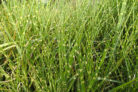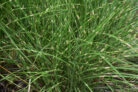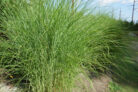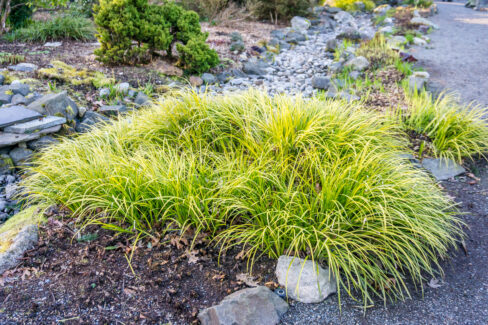
Miscanthus (often called Chinese Silver Grass) is a super low-maintenance plant. If it’s growing in your garden beds, you really only need to move it if it starts running out of elbow room. However, if you’re growing this ornamental grass in pots, you’ll want to repot it regularly to make sure it’s getting fresh, nutrient-rich soil.
Transplanting in the Garden
If you’re looking to move your Miscanthus to a new spot or thin out your garden beds, late spring is the perfect time to do it. By May, it’s easy to see where the new growth is popping up. This helps you decide which parts of the clump are worth keeping and which ones aren’t looking their best.
When transplanting, stick to the sections that show healthy, vibrant new shoots. If any parts of the plant look damaged by winter frost, it’s best to just toss them—it usually takes way too long for those sections to bounce back. If you’re using Miscanthus as part of a privacy hedge, you should actually transplant and divide it fairly regularly. Contrary to what many people think, this grass actually grows better when the clumps are split every now and then. It makes your hedge denser and much more resilient.
Repotting Container Plants
For those of you growing Miscanthus in containers, early spring is the sweet spot for repotting. The most important thing here is picking the right pot size. You want to make sure there’s at least a hand’s width of space between the root ball and the edge of the pot.
If your plant has become a bit of a monster, you can easily divide it. That said, Miscanthus doesn’t spread its roots nearly as aggressively in a pot as it does in the ground, so you might only need to divide the clumps every few years.
When you do repot, be sure to swap out the old dirt for fresh, high-quality potting mix. Miscanthus is a hungry plant! It loves nutrient-dense soil, so a rich potting mix or a good compost blend is the way to go.
Propagating While You Move
Transplanting is also the perfect excuse to get some “free” plants through propagation. This is especially handy if you’re trying to fill out a hedge. When you dig up the plant, just slice the clumps apart with a long, sharp knife. You can put one piece back in the ground and take the extras to grow in pots as “backup” plants.
Even though Miscanthus is a tough cookie, sometimes a plant just doesn’t wake up in the spring quite as beautifully as you’d hoped. Having those extra potted plants on hand is a lifesaver for filling in gaps or replacing a plant that’s looking a little under the weather.