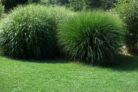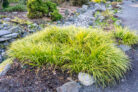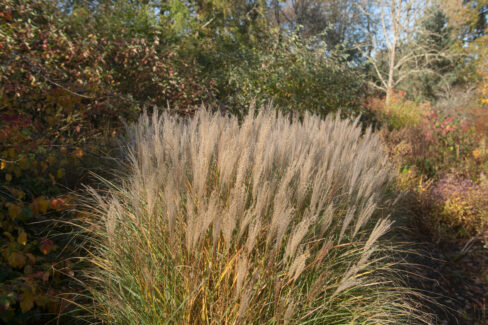
Miscanthus (often called Maiden Grass or Silvergrass) is a pretty tough cookie when it comes to winter. It’s hardy enough to handle temperatures down to -4°F without breaking a sweat. However, if you want your ornamental grass to bounce back beautifully in the spring, there are a few pro-tips you should keep in mind.
Here’s what we’re going to cover:
- Why you should leave those dead stalks alone
- Extra TLC for young plants
- Protecting your potted grasses from the freeze
The Natural Shield: Why You Shouldn’t Prune Yet
When the blooms fade in the fall, it’s tempting to grab the shears and cut back your Miscanthus right away. My advice? Put the scissors down and wait until spring! Those dried-out stalks actually act as a natural umbrella, protecting the “heart” of the plant from frost. Plus, cutting them too early allows moisture to seep into the hollow stems, which can lead to rot—definitely not what we want.
To keep your garden looking tidy and prevent the wind from blowing stalks all over the yard, just gather the grass and tie it together with some twine. It keeps things neat and adds a cool structural look to your winter landscape.
Helping the “Newbies” Survive
Just like us, young plants need a little time to build up their strength. They aren’t quite as resilient as established clumps yet, so a little extra insulation goes a long way. You can winter-proof the base of the plant by mulching with a thick layer of:
- Dry leaves
- Evergreen branches
- Wood mulch
- Straw
- Garden fleece
This is especially important if you (mistakenly!) planted your Miscanthus in the fall. Since it hasn’t had time to establish a deep root system yet, that extra layer of warmth is a lifesaver.
Potted Plants and the Frost Factor
Grasses living in containers are much more vulnerable than their cousins in the ground. Without the vast earth to insulate them, frost can reach the root ball much faster. If you can’t bring your pots into a garage or shed for the winter, you’ll need to step up your game.
First, add a layer of mulch (using the materials mentioned above) to the top of the soil. Next, wrap the pot itself in insulating bubble wrap, burlap, or an old blanket. For the best results, lift the pot off the cold ground by placing it on a wooden pallet or a piece of Styrofoam. Just make sure you aren’t blocking the drainage holes—standing water is the enemy! Finally, tuck the pot into a spot that’s shielded from harsh winter winds.