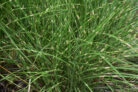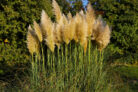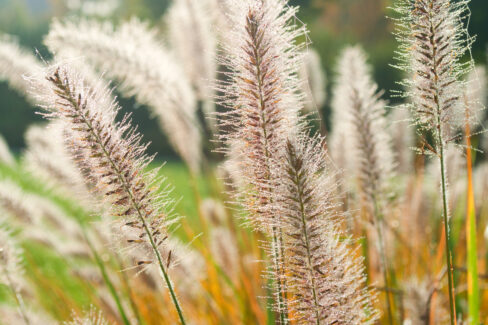
If your fountain grass is starting to show its age or the center of the clump is looking a bit matted and messy, it’s time to think about dividing it. But rejuvenation isn’t the only reason to get in there with a spade! I’ve rounded up everything you need to know about dividing this beautiful ornamental grass to keep your garden looking its best.
Why should you divide fountain grass?
Generally speaking, there are three main reasons gardeners decide to divide their fountain grass:
- To propagate (get free plants!)
- To rejuvenate an old, tired clump
- To control the size of a plant that’s getting too big
When is the best time to divide fountain grass?
Early spring, right before the new growth starts peeking through, is the absolute sweet spot for dividing fountain grass. You don’t need to do this every year, but you should definitely consider this “fountain of youth” treatment at least every four years. Of course, you can do it sooner if you’re looking to expand your garden. You can easily turn one large plant into four identical new ones—perfect for planting a uniform privacy screen or border.
If your fountain grass has stopped blooming, it might just be feeling a little claustrophobic. Because these grasses grow quite wide, they eventually start competing with their neighbors for nutrients, which can kill the floral show. Dividing the plant shrinks its footprint, giving everyone in the flower bed enough elbow room to thrive again.
How do you actually divide fountain grass?
Before you start digging, give the plant a good trim. Cut all the stalks down to about 4 inches (10 cm). Pro tip: Always wear sturdy gardening gloves! The edges of the blades can be surprisingly sharp. Once you’ve trimmed it back, follow these steps:
- Use a sharp spade to cut into the soil all the way around the plant.
- Dig up the entire root ball.
- Split the root ball into up to four sections. Make sure each piece has a healthy cluster of stems attached.
- For older, tougher plants, don’t be afraid to use an axe or a hand saw to get through the thick roots.
- Trim away any damaged or dried-out roots.
- Replant the sections in their new homes.
- Give all the new plants a very thorough watering.
A well-prepared planting hole will help your grass settle into its new location quickly. Plus, here’s a little secret: planting fountain grass slightly deeper than it was before can actually encourage even more vigorous new growth!