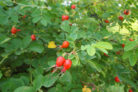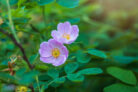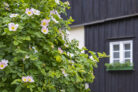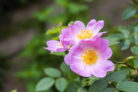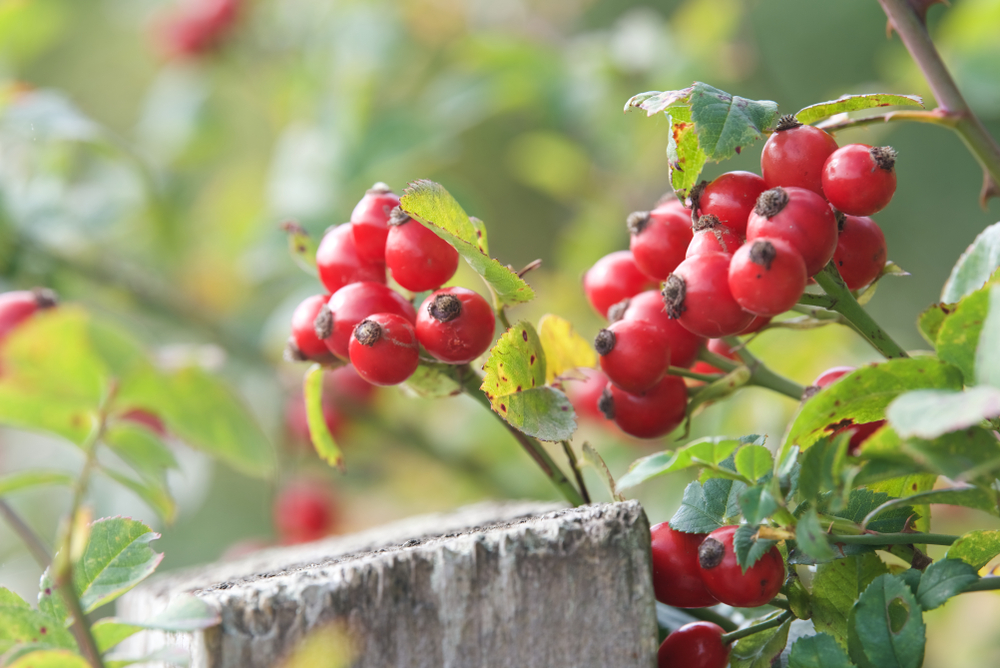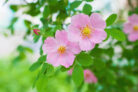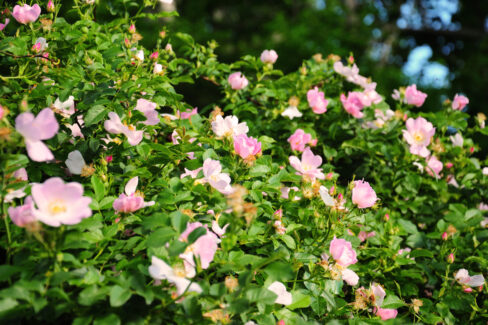
Dog roses are wild roses that are incredibly common across Europe, and for good reason—they’re tough enough to thrive even in poor soil. These plants grow fast, forming a dense hedge that looks absolutely stunning when in bloom. If you’re looking for a low-maintenance privacy screen, here’s everything you need to know about planting and caring for a dog rose hedge.
Why a Dog Rose Hedge is a Great Choice
The dog rose is one of the most widespread wild rose species out there. It’s not picky about nutrients and won’t demand much of your time. When planted correctly, it quickly fills out into a thick barrier that offers excellent privacy. Plus, it’s not just functional—a dog rose hedge produces beautiful blossoms that add a lovely touch to any yard.
When picking a spot for your hedge, the main thing to watch out for is standing water. These roses hate “wet feet,” which can lead to root rot. On the flip side, they handle dry soil like champs. You’ll really only need to water them regularly right after planting or during those long, scorching summer droughts.
Planting and Caring for Your New Hedge
Start by digging planting holes large enough for the young plants to sit comfortably. Since the goal is a dense hedge, you can space them fairly close together. However, make sure to leave about three feet (one meter) of breathing room between the hedge and any other neighboring plants. Pro tip: If you want to keep your hedge from wandering too far, it’s a smart move to install a root barrier during the planting process.
Here’s what you’ll need for maintenance:
- Sharp, clean pruning shears
- A sturdy pair of gardening gloves
Give your dog roses a good soak right after planting, and keep the water coming regularly for the first two weeks. After that, they should be established enough to handle things on their own. To keep the hedge healthy, give it a quick prune once a year in early spring before the new leaves bud out (just make sure it’s a frost-free day). Simply pick the two oldest canes on each plant and cut them back right to the ground. This encourages the plant to push out fresh, vigorous new growth!