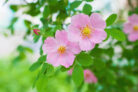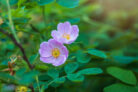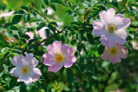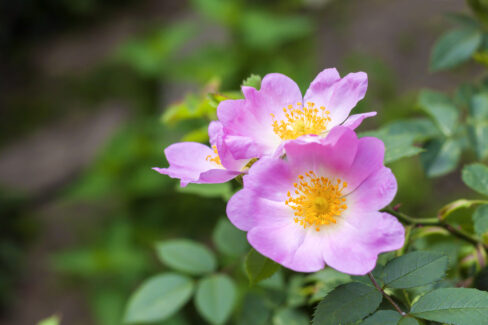
The Dog Rose (Rosa canina) is one of the most iconic wild roses you’ll find across Europe, and for good reason! It’s incredibly hardy and versatile. If you’re curious about what makes this plant so special, you’ve come to the right place. Let’s dive into the characteristics and quirks of this beautiful wild bloom.
Classification and Key Features
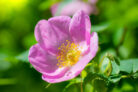
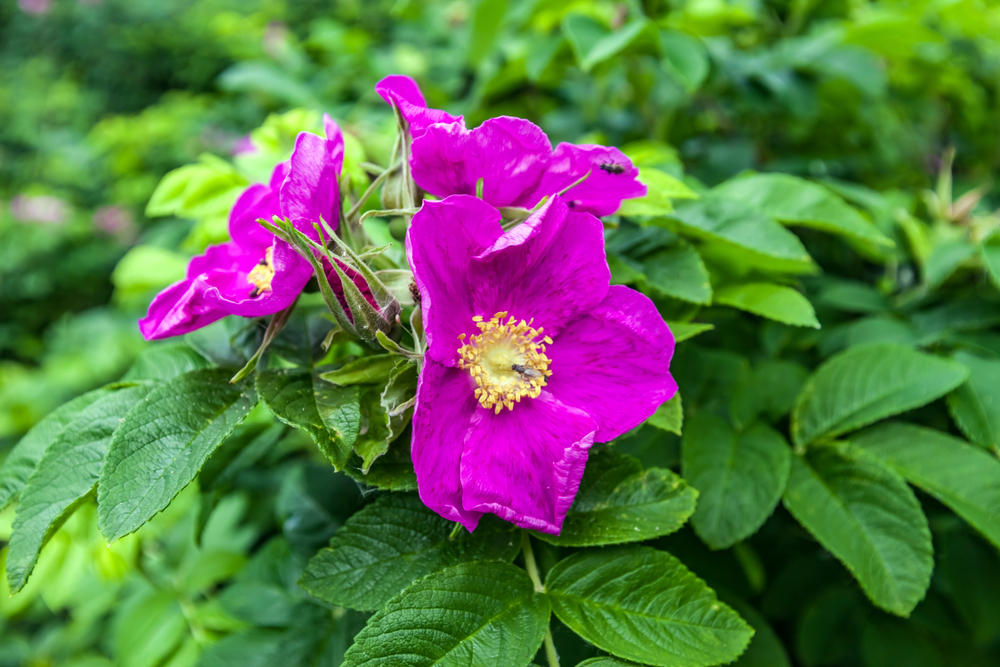
The Dog Rose is a perennial wildflower that’s as tough as it is pretty. Its arching stems are covered in lush green leaves and delicate white-to-pink blossoms. One of the best things about this plant is that it doesn’t just sit there—it loves to spread out. This makes it a fantastic choice if you’re looking to plant a natural hedge. Its dense foliage creates a wonderful, living privacy screen for your yard.
Quick Facts at a Glance:
- Common Names: Dog Rose, Briar Rose, Wild Rose
- Flower Colors: White, pale pink, or a mix of both
- Flower Size: Roughly 1.5 to 2 inches (4 cm) across
- Foliage: Abundant, vibrant green leaves
The Perfect Spot for Your Dog Rose
Good news for low-maintenance gardeners: Dog Roses aren’t very picky! As long as they have a decent spot and some nutrients, they’ll grow quickly and fill out beautifully. These plants are true survivors—some can even live for hundreds of years. That means once you plant one, it’s likely to be a part of your garden for a lifetime. To keep yours looking its best and to encourage more blooms, a little proper pruning goes a long way.
Where to plant them:
- A sunny spot (they love the light!)
- Nutrient-rich soil
- Moist but well-draining soil (avoid “wet feet” or standing water)
All About Those Rose Hips
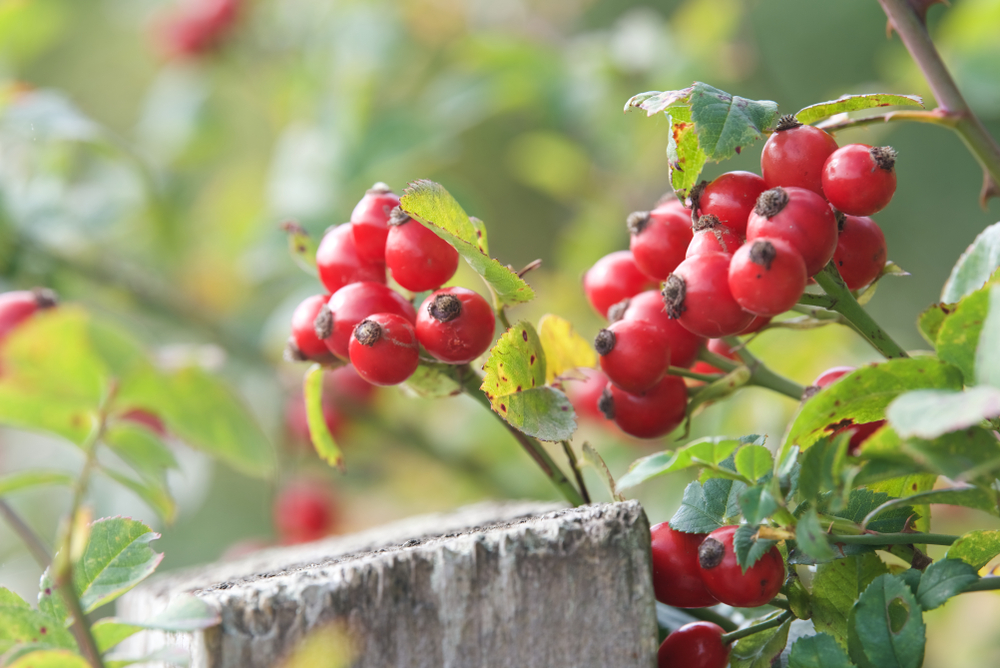
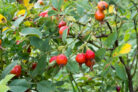
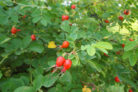
The beauty of the Dog Rose doesn’t end when the blooming season is over. Once the petals fall, the plant produces bright red fruits known as rose hips. Not only do they look stunning in the garden or as a rustic addition to a floral bouquet, but they’re also totally edible and packed with goodness.
Rose Hip Characteristics:
- Bright red color
- Sweet, tangy flesh
- Seeds that can cause a “prickly” itching sensation
You can turn rose hips into delicious jams or a vitamin-rich herbal tea. Pro tip: wait until after the first frost to harvest them! The cold snap helps concentrate the sugars, making the flesh taste even sweeter. Just a heads-up—wear gloves when prepping them and make sure to remove all the seeds. The seeds are famous for being used as “itching powder,” so you definitely don’t want them touching your skin or ending up in your tea!