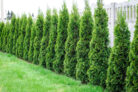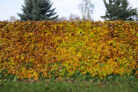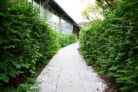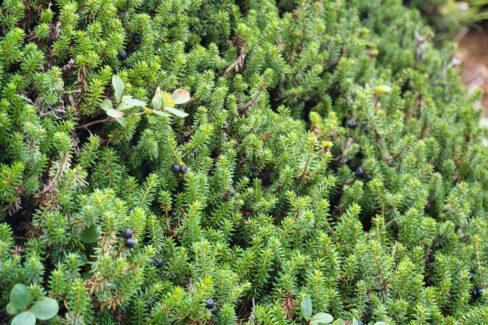
The Hemlock tree is famous for its impressive height and stately presence. While they look stunning as standalone specimen trees, they also make fantastic privacy hedges. If you’re looking for a lush, green screen for your yard, here’s everything you need to know about planting and caring for a Hemlock hedge.
Hemlock Growth Habits
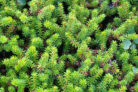
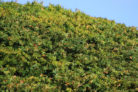
Hemlocks are part of the pine family and are known for their dense, feathery branching. This thick growth is exactly what makes them such a great choice for a privacy hedge. Plus, since they’re evergreen, you’ll have a solid green wall even in the dead of winter. Because wild Hemlocks can get massive, you’ll want to keep them in check with regular pruning if you’re using them as a hedge. You can also look for specific weeping or dwarf varieties that stay naturally smaller and more manageable.
Planting Your Hemlock Hedge
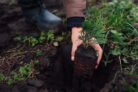
When picking out your plants, look for varieties that tend to grow wider and more shrub-like. Some of these cultivars naturally top out at around five feet. Keep in mind that in their early years, Hemlocks can put on about 20 inches of height per year, so you’ll want to plan for that growth spurt when you first put them in the ground.
Here are a few tips for success:
- Avoid spots that get too dry; Hemlocks love a bit of moisture.
- They thrive best in partial shade.
- Make sure the soil is rich in nutrients and well-draining.
Maintenance and Pruning
One of the best things about Hemlocks is how well they handle a haircut. You can prune your Hemlock without any stress, but for the best results, try to stick to trimming back the new growth from the current year. This encourages the tree to sprout new branches quickly at the cut sites, keeping the hedge nice and full. You can prune in either the spring or the fall. You can even trim the very top (the leader) to control the height, though keep in mind this usually causes the tree to grow multiple “tops,” which will change its overall silhouette over time.