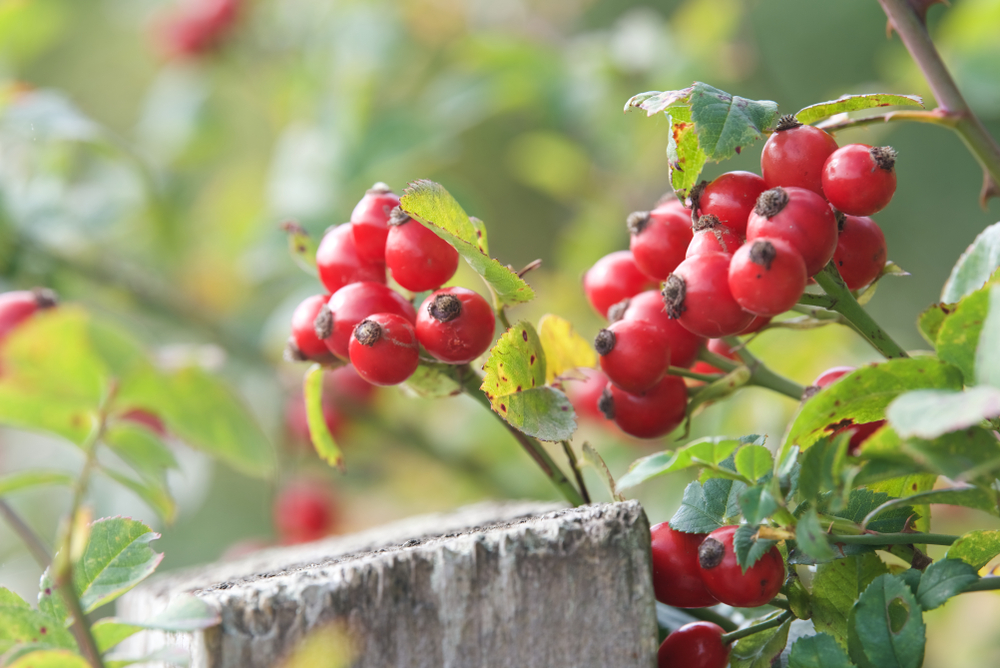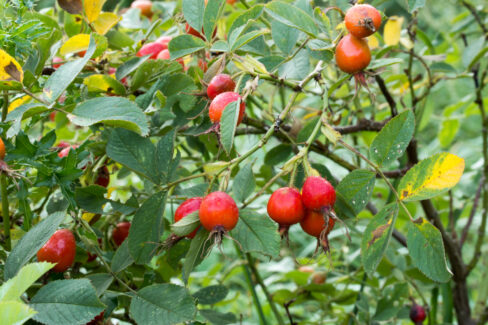
Rose hips are everywhere, and let’s be honest—those bright red berries are a total standout in the fall landscape. Depending on where you live, you might know this plant by its botanical name, *Rosa canina*, or by one of its many nicknames. Whether you call it a Dog Rose, a Wild Rose, or simply a Rose Hip bush, this shrub is a fantastic addition to any garden. Here’s everything you need to know about this beautiful, low-maintenance classic.
The Lowdown on the Dog Rose
Rosa canina goes by a lot of names. Some folks call it a Rose Hip bush, while others stick to “Dog Rose” or “Wild Rose.” No matter what you call it, this plant brings that effortless, wild beauty to your backyard. One of the best things about it? It’s not a diva. It isn’t picky about where you plant it, and when it comes to pruning, it won’t take up much of your weekend at all.
Quick Facts:
- Growth: These bushes can reach up to 15 feet tall.
- Fruit: They produce those iconic red rose hips.
- Foliage: Expect dense, alternating leaves that create a great natural screen.
Flowers and Fruit: The Best of Both Worlds
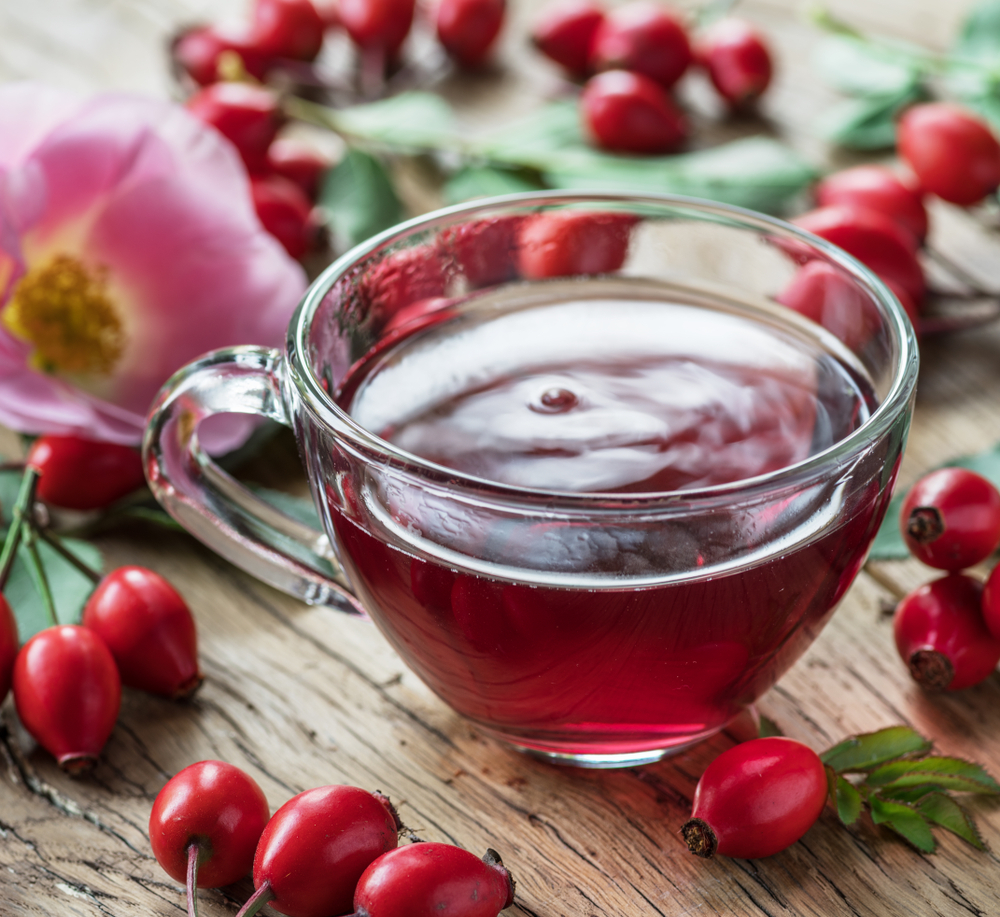
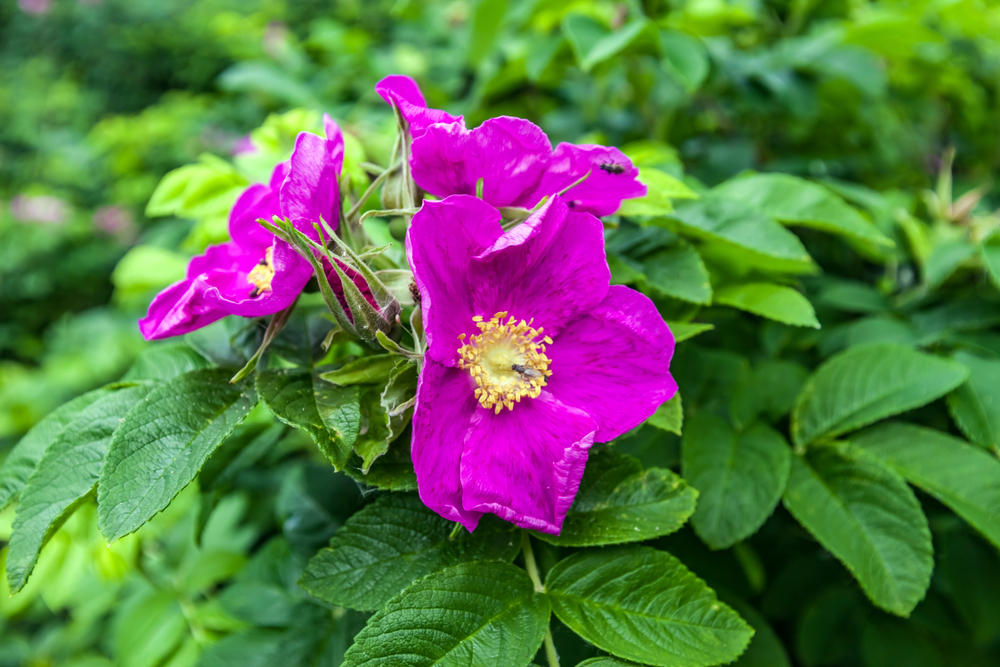
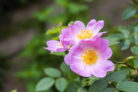
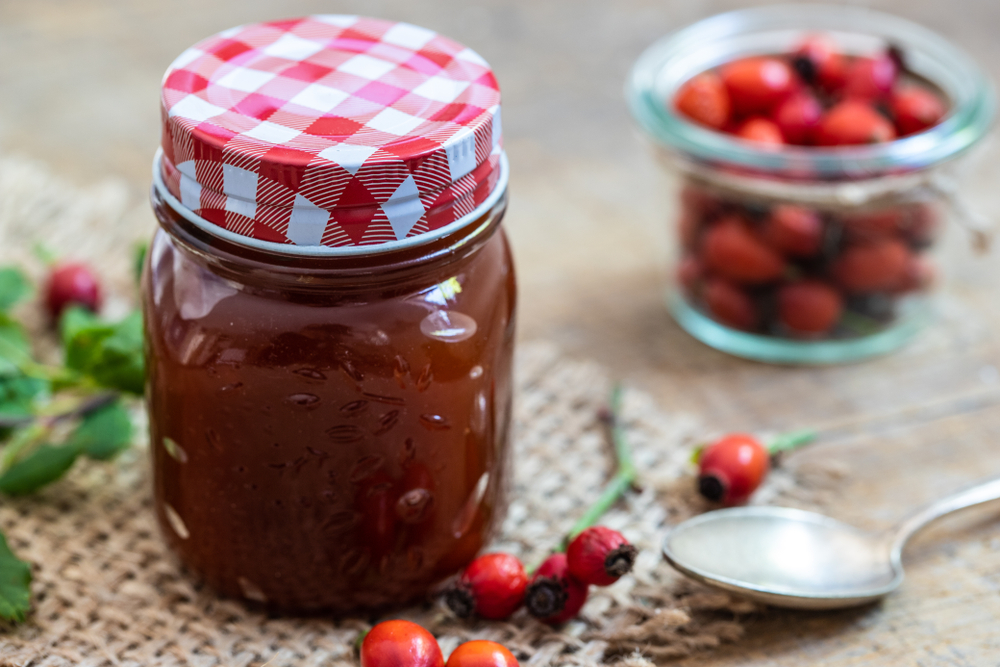
The Dog Rose usually starts showing off its blooms in June. You’ll see delicate flowers in shades of pale pink or white that stick around for a few days, filling the air with a lovely, light fragrance. That scent is actually a favorite for making soaps and bath salts! But as pretty as the flowers are, the fruit is the real star of the show. Rose hips are packed with vitamins and are famous for making delicious jams and teas. They’re a true “superfood” right in your garden.
Rose Hip Highlights:
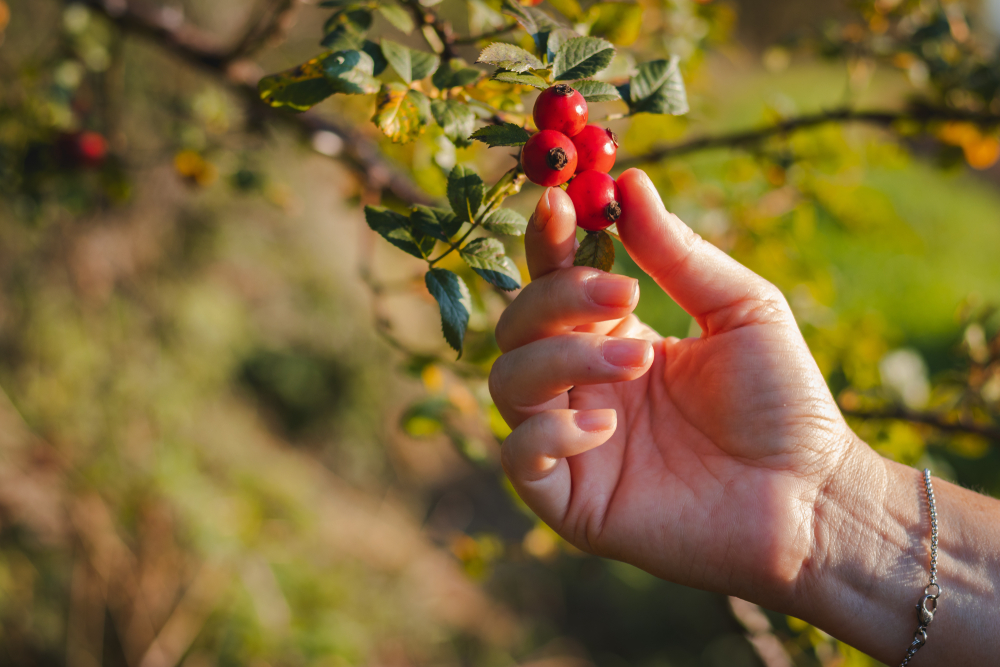
- Color: Bright red to deep orange.
- Shape: Round or slightly oval.
- Harvest Time: They’re usually ready to pick starting in October.
- Winter Interest: If you don’t harvest them, they’ll stay on the bush until spring, providing food for birds.
If you’re planning on harvesting your rose hips, here’s a pro tip: always remove the seeds inside. They contain tiny hairs that can cause some serious itching if they touch your skin (yep, that’s where “itching powder” comes from!). As long as you wear gloves while prepping them, you’re good to go. And if you fall in love with the plant, propagating your Dog Rose to get even more bushes is surprisingly easy!