There are quite a few varieties of the common hedge rose (or wild rose) found throughout Central Europe, and they are a fantastic addition to any backyard. These plants are famous for being incredibly hardy and low-maintenance. If you’re looking to plant a natural, beautiful privacy screen, these roses are a perfect choice. Here’s a breakdown of everything you need to know about this versatile plant.
Botanical Classification and Background
Known scientifically as *Rosa corymbifera*, the hedge rose is a favorite among gardeners for good reason. As a true wild rose, it comes in several different varieties. The best part? As long as you understand its basic needs and get it in the ground correctly, it’s a very “set it and forget it” kind of plant.
- Botanical Name: *Rosa corymbifera*
- Family: Rosaceae (Rose family)
- Common Names: Rose hip, wild rose, bush rose
- Native Range: Warm regions across Central Europe
Size and Ideal Growing Conditions
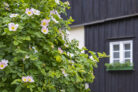
The hedge rose can reach impressive heights of several feet. One of the best things about it is that you don’t actually need to prune it to keep it looking good. In fact, these roses generally prefer to be left alone; over-pruning can actually mess with their blooming cycle. Just make sure you pick the right spot from the start so it has room to thrive.
- Size: Can grow up to ten feet tall
- Foliage: Green leaves with a distinct fuzzy or “hairy” underside
- Preferred Light: Partial shade to full sun
- Preferred Soil: Nutrient-rich soil, ideally with some clay or lime content
Flowers and Fruit
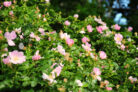
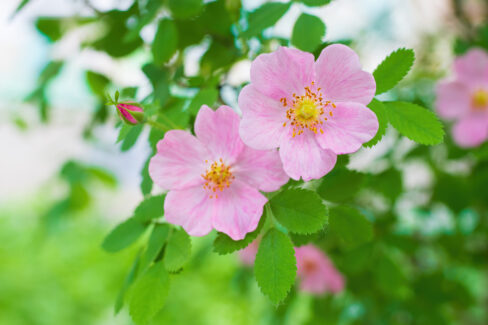
The real star of the show is the hedge rose’s bloom. When you plant these as a hedge, you get more than just a wall of green; you get a stunning floral display that really brightens up the garden. It’s a win-win for curb appeal and local pollinators!
- Bloom Time: Usually flowers in June
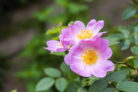
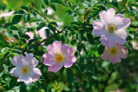
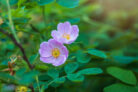
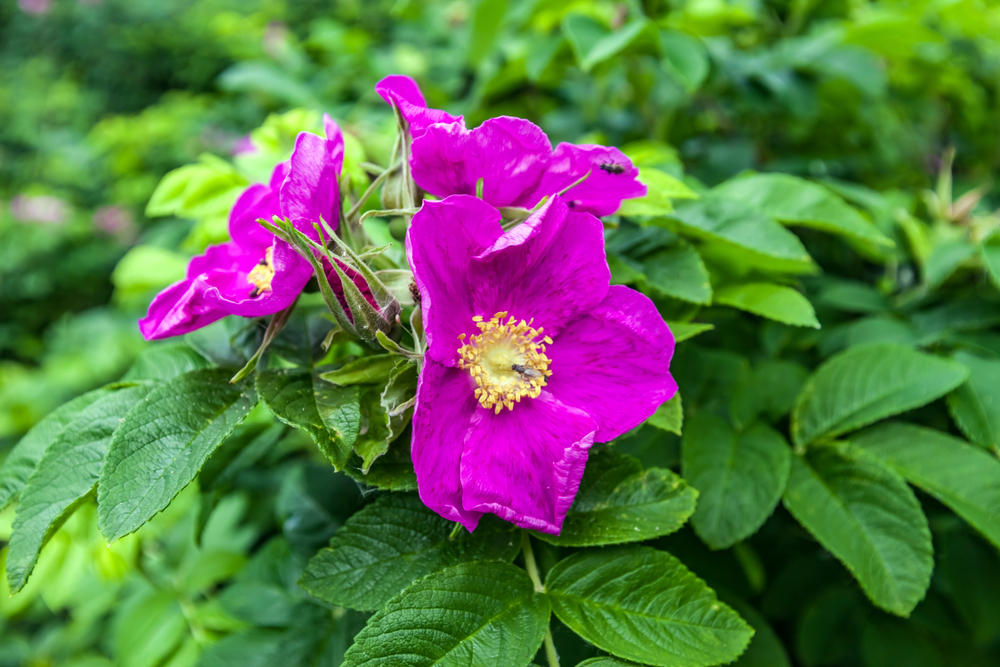
- Flower Color: Delicate pale pink or classic white
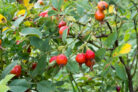
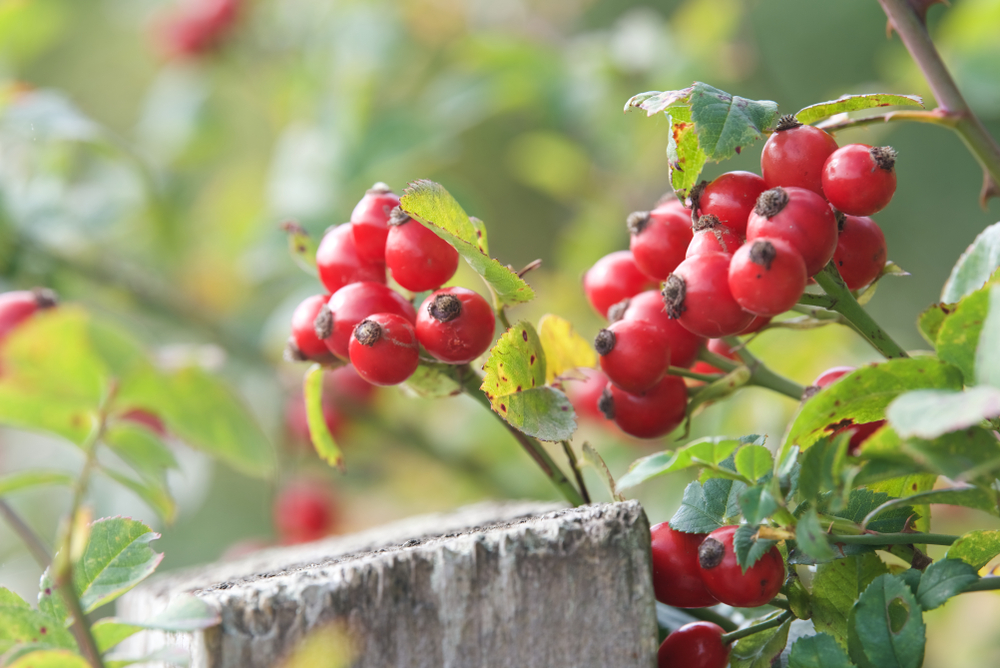
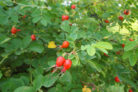
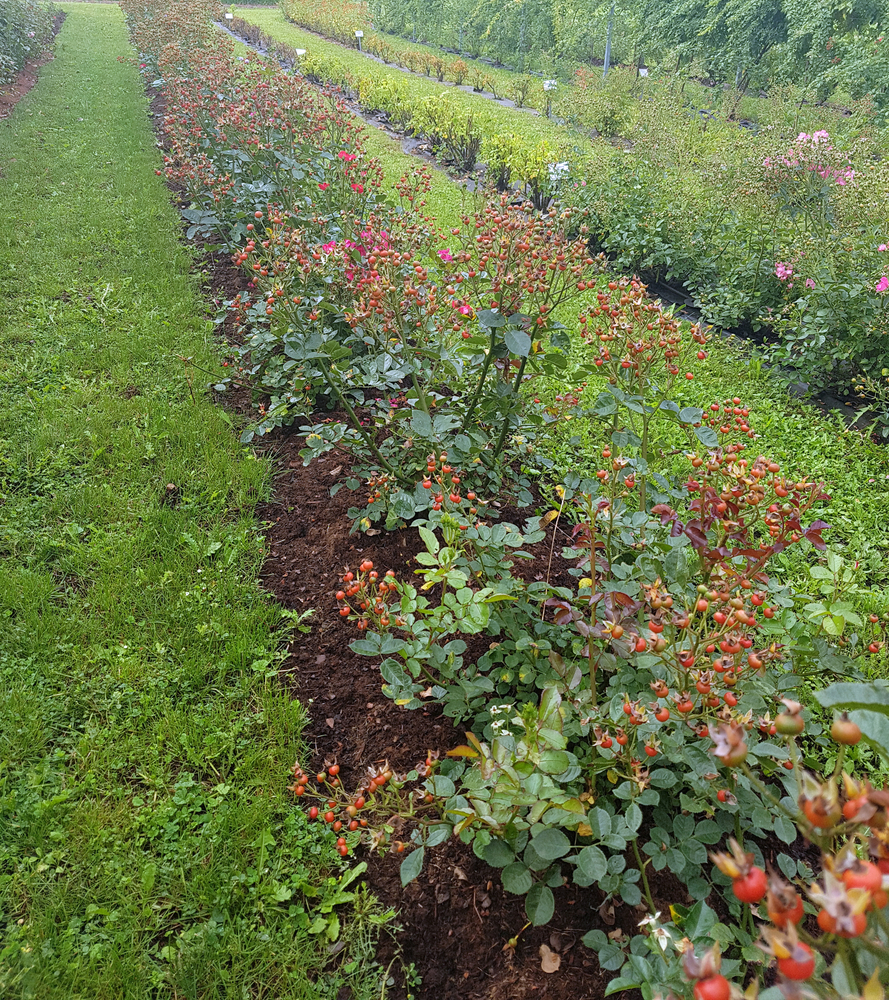
- Fruit: Produces bright red or orange rose hips
Key Characteristics and Care
The hedge rose is a vigorous grower that doesn’t require a regular pruning schedule. Honestly, a light trim every four or five years is usually plenty. These plants are also very frost-resistant, so they’ll handle cold winters like a champ. If you have very young plants, you might want to give them a little extra love by spreading some bark mulch around the base to protect the roots. Plus, if you want more of them, propagating the hedge rose is surprisingly easy!